

3500N Pneumatic Strapping Tool for PET: Setup & Use
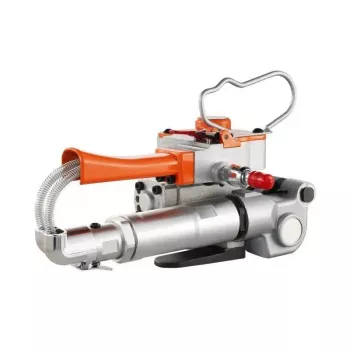
Pneumatic Strapping Tool 3500N – Automatic Banding Tool for PET Plastic Belt
Fast, consistent pallet and crate strapping often comes down to two factors: stable tension and a reliable seal. A pneumatic strapping tool designed for PET plastic belt helps standardize both, reducing rework and improving load stability in busy shipping, warehousing, and production environments. This guide breaks down what the 3500N class tool is built to do, where it fits best, and what to verify before putting it on the line.
What the tool does (and why pneumatic matters)
A 3500N-class pneumatic strapping tool is built for PET (polyester) strapping workflows where repeatability is non-negotiable. By using compressed air to power the cycle, the tool delivers consistent tensioning and sealing behavior across operators and shifts.
- Combines tensioning and sealing functions in one handheld unit for PET strapping workflows.
- Uses compressed air to deliver repeatable tension and faster cycle times compared with many manual methods.
- Designed for consistent strap tightening and secure joining to reduce shifting during transport.
- Useful where multiple pallets per hour require uniform tension without operator fatigue.
- Works best when paired with a stable air supply and compatible PET strap specifications.
In practical terms, pneumatic drive helps smooth out “human variability.” Instead of relying on hand strength or inconsistent leverage, air power supports a more uniform clamp-and-tension action so loads leave the dock with similar strap performance every time.
Where a 3500N-class tool fits best
This tool category is commonly chosen for mid-to-high throughput strapping where PET’s strength and elasticity help protect products during vibration, handling, and minor impacts.
- Warehouse shipping lanes: recurring pallet patterns where speed and consistency matter.
- Manufacturing end-of-line: bundling cartons or stabilizing finished goods on pallets.
- Building materials and industrial loads: PET strap is commonly used where elasticity and shock absorption help.
- Third-party logistics: reduces variability across different operators and shifts.
- Waste reduction initiatives: minimizes strap waste caused by uneven tension or failed seals.
Operations with frequent load changeovers also benefit, as a pneumatic cycle can make it easier to keep pace without pushing operators into repetitive high-effort tensioning.
Key operating considerations before buying
Before selecting a pneumatic strapping tool, confirm the tool can run predictably within your real operating conditions—not just ideal bench conditions. The checks below help prevent common “it works sometimes” issues.
- Air supply: confirm compressor capacity, air line condition, and any filtration/lubrication needs for steady performance.
- Strap compatibility: verify PET strap width and thickness range supported by the tool (strap must match the feed path and sealing mechanism).
- Tension requirements: choose a tool class that matches typical load restraint needs—over-tension can damage cartons, under-tension can allow shifting.
- Work surface and access: consider whether strapping happens on pallets, around irregular loads, or in tight spaces.
- Serviceability: check availability of wear parts (grippers, cutters, sealing components) and whether routine maintenance can be done in-house.
If the line already uses multiple air tools, pay extra attention to pressure stability during peak demand. Tools may “feel fine” with no load, then behave differently when several stations cycle at once.
Workflow overview: tension, seal, and cut
While exact steps depend on the model’s operating sequence, the typical PET strapping cycle follows the same logic: align, tension, join, then cut cleanly.
Quick checklist: what to verify on PET strap and air setup
| Item to confirm | What to look for | Why it matters |
|---|---|---|
| PET strap size | Width and thickness supported by the tool | Prevents feeding issues, weak joints, and premature wear |
| Strap condition | No cracks, consistent thickness, clean surface | Improves grip and joint consistency |
| Air pressure stability | Regulator set; pressure stays steady under load | Maintains repeatable tension from cycle to cycle |
| Air cleanliness | Filter/washer in place; minimal water/oil if required | Reduces sticking valves and internal wear |
| Operator handling | Consistent strap alignment and tool placement | Reduces seal failures and strap damage |
Safety, maintenance, and longevity basics
Pneumatic strapping tools combine compressed air, moving grippers, and a high-energy plastic strap under tension—so basic controls matter. For general warehouse handling safety context, review OSHA resources on powered industrial trucks at OSHA, and for eye protection guidance, see NIOSH.
Product options available now
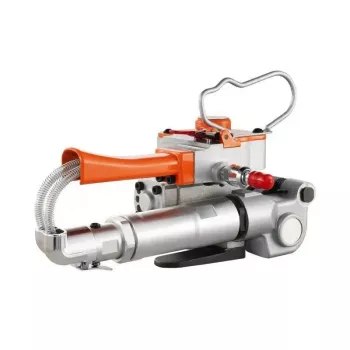
- Pneumatic Strapping Tool 3500N – Automatic Banding Tool for PET Plastic Belt (In stock): suitable for operations that need pneumatic tensioning and consistent banding cycles.
- Commercial Electric Meat Bandsaw 1100W with Adjustable Cutting Thickness (In stock): a separate industrial processing option for facilities also outfitting production areas alongside packaging stations.
FAQ
What size PET strap works with a pneumatic strapping tool?
Compatibility depends on the tool’s supported PET strap width and thickness range. Confirm the strap matches the tool’s feed path and sealing mechanism, and use consistent, quality PET strapping to reduce feeding and joint issues.
How much air pressure is typically needed to run a pneumatic strapping tool?
Most pneumatic strapping tools require regulated, stable compressed air within the manufacturer’s recommended operating range. Use a regulator and aim for clean, dry air to help maintain consistent tension from cycle to cycle.
Why does the strap sometimes slip or the joint fail?
Common causes include strap outside the supported specification, worn grippers or sealing parts, debris in the strap path, unstable air pressure, or inconsistent tool positioning. Troubleshoot in order by checking air pressure stability, then strap size/condition, then cleaning and inspecting wear components.











Leave a comment