

Calvin Klein Sleek Casual Sneakers: Fit, Style & Care
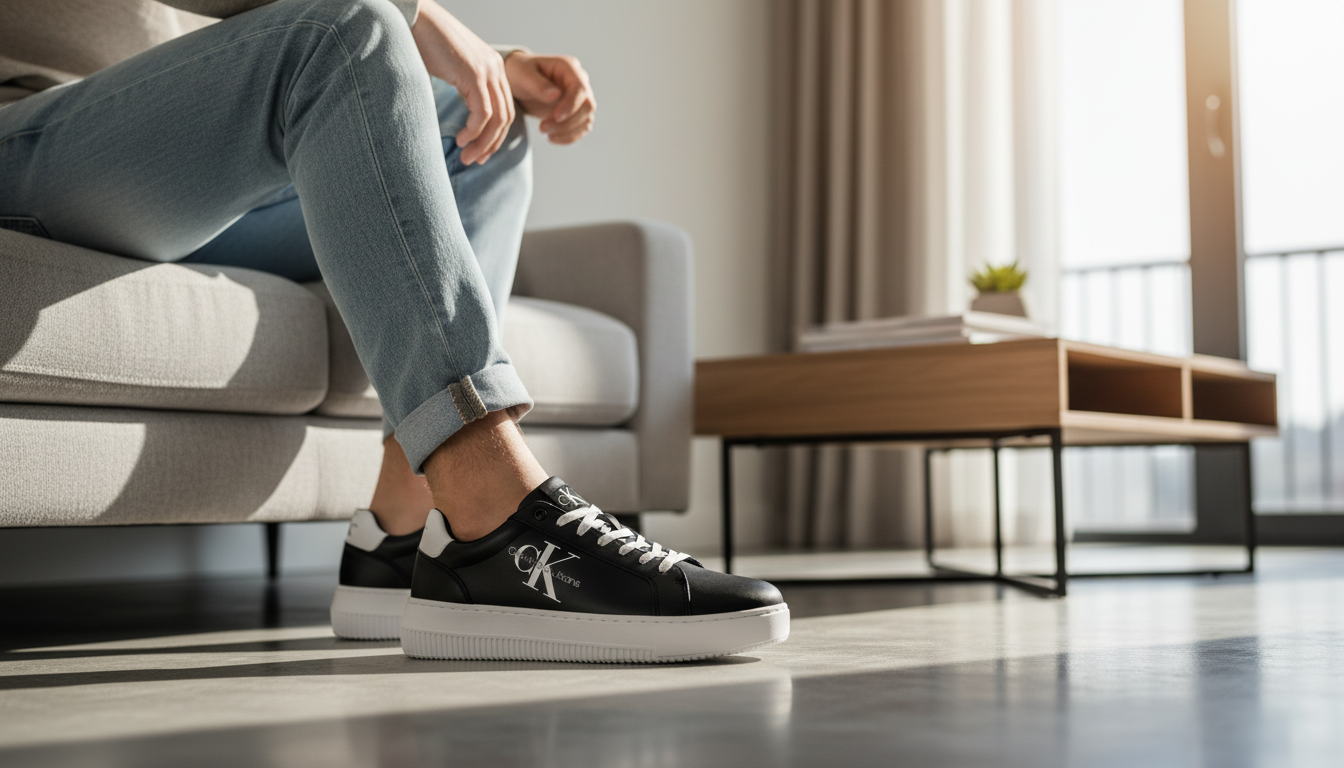
Calvin Klein Casual Sneakers with Sleek Design and Comfortable Fit
Calvin Klein casual sneakers are built for clean, modern styling without sacrificing day-to-day comfort. The right pair should feel supportive from the first wear, pair easily with a capsule wardrobe, and hold up to frequent use—whether for commuting, travel, or casual weekends. A sleek sneaker can look sharp with minimal effort, but it still needs the basics: stable footing, a secure heel, and cushioning that doesn’t fade halfway through the day.
What Stands Out in the Look and Feel
A streamlined casual sneaker is all about balance: refined enough to elevate simple outfits, but practical enough for real walking. Calvin Klein’s design language typically leans minimal, which makes these sneakers easy to work into daily rotation.
- Minimal, sleek silhouette that works with jeans, chinos, and casual tailoring
- Streamlined branding and neutral color options that stay versatile across seasons
- Cushioned footbed and supportive construction designed for all-day wear
- Low-profile shape that looks sharp while staying practical for daily walking
When the design stays clean—fewer panels, fewer loud accents—it’s simpler to dress the sneaker up or down. The payoff is consistency: one pair can handle weekday errands, casual office settings (where appropriate), and weekend plans without looking out of place.
Comfort and Fit Details to Pay Attention To
Comfort isn’t just “softness.” A sneaker can feel plush in the heel and still cause fatigue if the forefoot is flat or the fit shifts while walking. Paying attention to a few fit checkpoints helps you avoid the most common issues: toe pinch, heel slip, and pressure points that turn into blisters.
- Toe box room: enough space to avoid pinching, especially during longer walks
- Heel hold: a secure heel reduces rubbing and helps prevent blisters
- Underfoot cushioning: look for consistent padding from heel to forefoot rather than a soft heel with a flat forefoot
- Arch support: consider adding an insole if higher arch support is needed
- Break-in time: sleek uppers can feel stiff at first; gradual wear helps the material settle
It also helps to try shoes later in the day when feet are slightly more swollen, and to test them with the socks you’ll actually wear. For general footwear guidance, the American Podiatric Medical Association offers useful education on choosing supportive shoes, and the CDC has broader foot health tips that reinforce good daily care.
Quick Fit Check Before Keeping the Pair
| Checkpoint | What to look for | Simple test at home |
|---|---|---|
| Length | A small gap at the toe without sliding | Stand and press the toe; aim for about a thumb’s width |
| Width | No side squeeze at the ball of the foot | Walk 2–3 minutes; check for hot spots |
| Heel grip | Heel stays in place with minimal lift | Walk up stairs; heel should not pop out |
| Flex point | Shoe bends where the foot naturally bends | Push the toe upward; crease should align near the ball of the foot |
| Collar comfort | No sharp edge rubbing the ankle | Wear with typical socks for 10 minutes indoors |
Materials and Build Quality: What Affects Longevity
With a sleek casual sneaker, the materials are doing double duty: they set the visual tone and determine how well the shoe survives frequent wear. A polished, minimal look tends to show scuffs and creases more easily, so choosing the right upper and taking basic care matters.
- Upper material: leather and coated materials tend to wipe clean more easily; textile uppers can breathe more but may show wear sooner
- Stitching and bonding: even seams and clean joins reduce early splitting
- Outsole traction: a textured outsole helps on smooth indoor floors and light outdoor use
- Insole removability: removable insoles make it easier to swap for orthotics or refresh worn cushioning
- Lining comfort: smooth linings reduce friction and improve all-day wear
If you’re on your feet a lot, pay special attention to the outsole and how the shoe flexes. A shoe that looks great but folds in the wrong place can contribute to soreness over time. Likewise, a low-profile sneaker should still feel stable—especially through the midfoot—so it doesn’t feel “flimsy” after a few hours.
How to Choose the Right Pair for Your Routine
Even within the “sleek casual sneaker” category, small differences in shape and cushioning can make one pair feel perfect and another feel tiring. Match your choice to how you’ll actually wear them most days.
Styling Ideas for a Sleek Casual Sneaker
Care and Cleaning for a Fresh, Minimal Look
FAQ
How should casual sneakers fit for all-day comfort?
They should have a little room in front of the toes, a secure heel that doesn’t slip, and no pressure points along the sides or top of the foot. Try them on with your normal socks and walk indoors for several minutes, ideally later in the day when feet are slightly swollen.
Are sleek casual sneakers comfortable for long walks?
They can be, as long as the cushioning feels consistent from heel to forefoot and the outsole provides steady grip. If you need more support for longer walks, adding a quality insole can help, and a short break-in period may be necessary for stiffer uppers.
How can sneakers be kept clean without damaging the materials?
Wipe them down after wear and spot-clean with a mild cleaner and a soft cloth instead of soaking the shoe. Avoid harsh chemicals and heat drying; let them air-dry naturally to prevent cracking, warping, or weakened bonding.











Leave a comment