

Beat Food Price Inflation: Smart Grocery Budget Habits
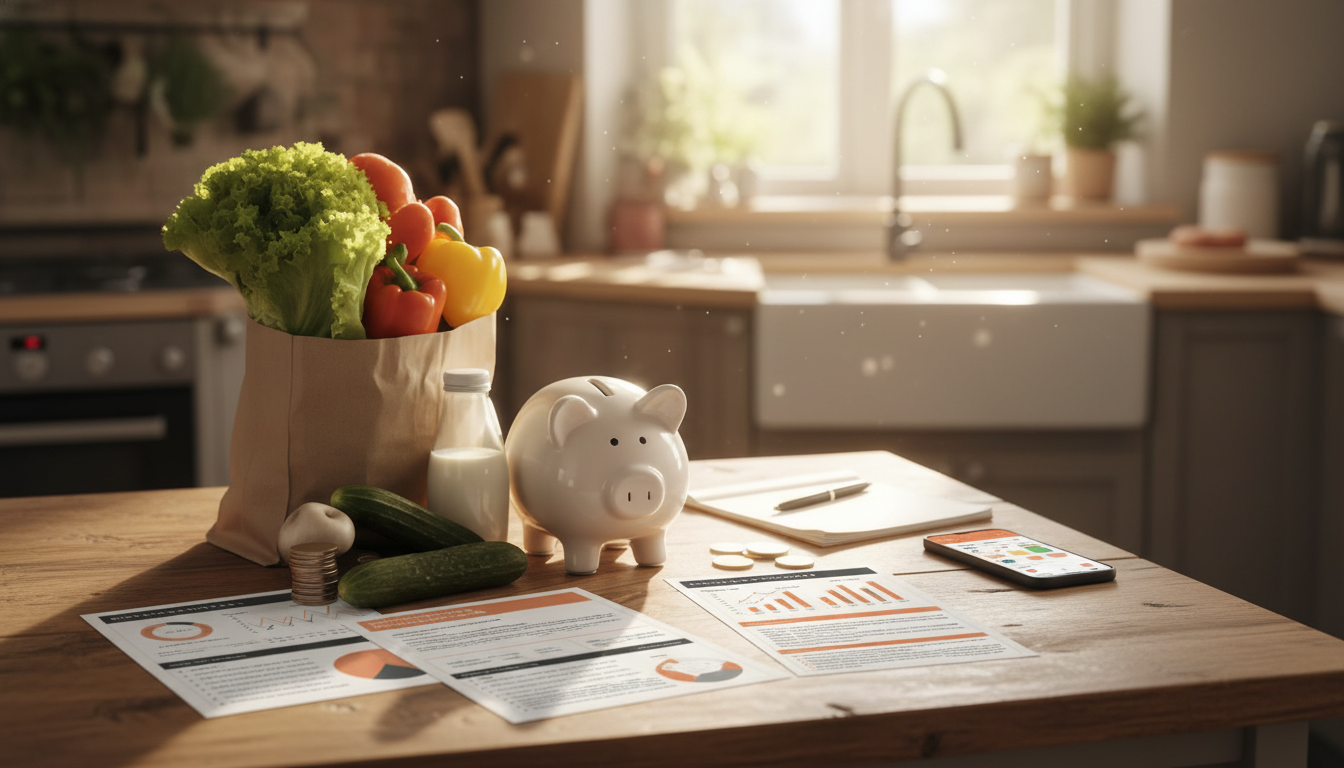
Understanding and Outsmarting Food Price Inflation: Practical Ways to Keep Grocery Costs Under Control
Food prices can rise in ways that feel unpredictable, but grocery spending becomes more manageable with a clear view of what’s driving costs and a system for planning, shopping, and tracking. With a few repeatable habits—unit-price checks, flexible meal building blocks, and a simple waste-reduction routine—most households can keep meals satisfying while slowing down budget “creep.” For context on broader trends, the Consumer Price Index (CPI) and the USDA Food Price Outlook show how categories can move differently over time.
What Food Price Inflation Looks Like at Home
Inflation doesn’t always show up as a dramatic shelf-price jump. Many households feel it through quieter changes that add up quickly across a month of routine shopping.
- Common “silent increases”: smaller package sizes, fewer servings per container, and more frequent price jumps between sales cycles.
- Why staples feel hit hardest: frequent purchases (milk, eggs, bread, rice) turn small increases into a noticeable monthly total.
- The substitution effect: switching brands or product types can mask the true change; the total stays similar, but you may be buying less or settling for lower value.
- A simple baseline: track 10–15 frequently purchased items for 4 weeks to spot patterns and identify which categories are most volatile for your household.
| Signal | What to look for | What to do next |
|---|---|---|
| Shrinkflation | Same price, smaller net weight or fewer units | Compare unit price; switch to larger format or a different brand |
| Sale manipulation | “Discount” price equals last month’s regular price | Track normal price; buy only at true lows and stock up modestly |
| Quality trade-offs | Cheaper item requires more waste or cooks poorly | Evaluate cost per usable serving, not cost per package |
| Basket creep | More add-ons and convenience foods over time | Set a weekly “flex” amount and cap impulse categories |
“Shrinkflation” is especially tricky because the label price doesn’t change—only the net weight does. The Federal Reserve Bank of St. Louis offers a clear overview of the concept in its explainer on shrinkflation.
Build a Budget That Can Handle Price Swings
A rigid grocery number can backfire when essentials jump week to week. A more resilient approach is to set guardrails that keep you consistent without forcing constant recalculations.
- Use a “guardrail” approach: set a baseline grocery budget, then add a small buffer (about 5–10%) for higher-price weeks.
- Separate essentials vs. optional items: staples, proteins, produce, snacks, beverages, and convenience foods shouldn’t all compete for the same dollars.
- Create a price-check list: pick repeat buys (milk, eggs, bread, rice, chicken, beans, coffee) and update the price notes monthly.
- Pick one metric to manage: weekly total, cost per meal, or cost per serving—tracking everything at once usually isn’t sustainable.
If you only choose one “must-do,” make it the essentials/optional split. When prices spike, you’ll already know which categories to trim without sacrificing core meals.
Shop Smarter With Unit Pricing and “Good-Better-Best” Swaps
Sticker price is a distraction when packages and sizes change. Unit pricing ($/oz, $/lb, or $/count) is the fastest way to compare value across brands and sizes.
- Unit price beats sticker price: compare the unit label on the shelf (or do a quick phone calculation) before choosing a “deal.”
- Identify high-volatility categories: meat, eggs, coffee, and cooking oils can swing sharply—plan substitutions before you’re in the aisle.
- Use a 3-tier swap list: “best” (preferred), “better” (acceptable), and “good” (budget backup) so you can pivot without rethinking the whole meal plan.
- Avoid false savings: a cheaper item that increases waste, cooking time, or spoilage can raise your real cost per serving.
Example swap logic: if chicken breast is high, move to thighs; if fresh berries are expensive, switch to frozen; if name-brand cereal spikes, use store brand or shift breakfasts toward oats or eggs for the week.
Plan Meals Around Price Trends, Not Just Preferences
Meal planning works best when it’s flexible. Instead of locking in recipes that require specific, pricey ingredients, build meals from interchangeable parts.
- Anchor meals to building blocks: grain + protein + vegetable + sauce/spice profile. Changing just one block keeps variety high while using what’s affordable.
- Rotate lower-cost proteins: beans/lentils, eggs, canned fish, chicken thighs, tofu, and ground turkey (when discounted) can cover many cuisines.
- Use a “two-cook” strategy: cook once, repurpose twice (roast chicken → tacos → soup; beans → burrito bowls → chili).
- Seasonal and frozen produce strategy: buy fresh when abundant and low-cost; use frozen for consistency, easy portioning, and less waste.
Reduce Waste to Offset Higher Prices
How to Choose a Printable, Editable Grocery Savings Guide That Fits Real Life
A Simple Weekly Routine to Stay Ahead of Rising Costs
FAQ
What’s the fastest way to lower a grocery bill when prices keep changing?
Track unit prices for 10–15 repeat items, plan flexible meals that can swap proteins or produce easily, and commit to a leftover plan to reduce waste. Focus on buying only true discounts and making substitutions before you get to the store.
Is buying in bulk always cheaper during food price inflation?
Not always—bulk only wins if the unit price is lower and you’ll use it before it spoils. It’s usually best for shelf-stable foods and freezer-friendly items, while perishables can become more expensive if they get wasted.
How can grocery spending be tracked without turning it into a full-time job?
Keep it lightweight: track your weekly total and maintain a short price log for a handful of key items. Use a simple editable template so you can update quickly and keep your categories broad.











Leave a comment