Retro Ankle Boots: Fit, Materials, Styling & Care Tips
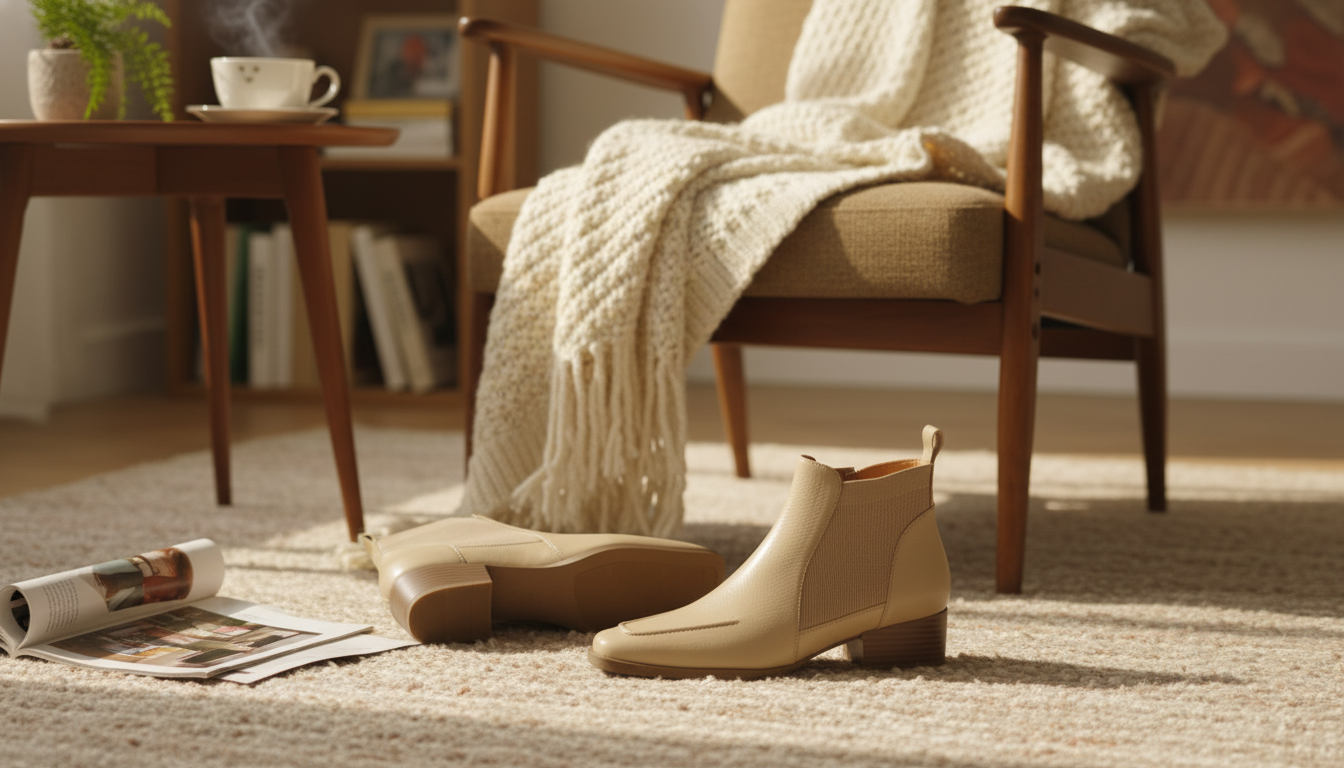
Classic Retro Ankle Boots: Timeless Shape, Everyday Wear
Retro ankle boots blend vintage-inspired lines with practical, modern comfort. The ankle-height silhouette works across seasons, pairing easily with denim, trousers, skirts, and dresses while offering more coverage than shoes and more mobility than tall boots. The details that define the look—clean panels, a shaped toe, a stacked-style heel, and a neat ankle shaft—also influence fit, support, and how the boots age over time.
What Makes an Ankle Boot Feel “Retro”
“Retro” isn’t just a vibe—it’s a combination of proportions and finishing choices that echo classic footwear eras while staying easy to wear today. A few design cues do most of the work.
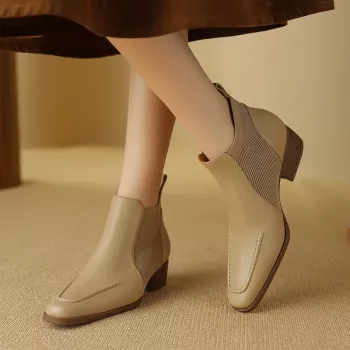
- Toe shape: Almond and softly pointed toes read more vintage; rounded toes feel more casual and roomy.
- Heel profile: Stacked and block heels tend to match classic silhouettes; slimmer heels feel dressier but can be less stable on uneven ground.
- Shaft height and line: A slightly higher shaft elongates the leg; a lower shaft can be easier for wider calves/ankles but may show a sock gap in cold weather.
- Stitching and paneling: Visible seams, simple overlays, and minimal hardware are common retro cues; excess buckles or sporty trims push the look more contemporary.
Quick Guide to Retro Ankle Boot Details
| Detail | Common Retro Options | What It Changes |
|---|---|---|
| Toe | Almond, soft point | Dressiness, perceived leg length, toe-room |
| Heel | Block, stacked-style | Stability, comfort for all-day wear |
| Shaft | Ankle to just above ankle | Warmth, sock visibility, ankle fit |
| Closure | Side zip, pull-on | Ease of entry, snugness at instep |
| Outsole | Textured rubber, composite | Grip, noise level, durability |
Materials and Construction That Matter
Classic-looking boots last longer (and feel better) when the materials match the way the boots will be used—commuting sidewalks, office floors, or weekend errands.
- Upper material: Smooth leather and leather-look finishes emphasize a classic look; suede and nubuck lean more relaxed and require extra weather care.
- Lining: A breathable lining reduces sweat buildup; lightly padded linings improve comfort in cooler months.
- Insole: Cushioned insoles help with long wear; removable insoles make it easier to customize with orthotics.
- Outsole: Rubber or grippy composites help on slick sidewalks; smoother soles can look sleeker but may slip more on wet surfaces.
- Heel attachment and balance: A stable heel base and solid heel-to-sole connection reduce wobble and improve confidence when walking.
If all-day comfort is a priority, it can help to choose footwear designed to support foot health principles such as stability and proper fit guidance. The American Podiatric Medical Association (APMA) footwear resource offers helpful general considerations when evaluating shoes and boots.
Fit and Comfort Checkpoints
Retro ankle boots should feel secure and balanced right away, with only minor break-in expected. Use these checkpoints before committing to a pair.
- Toe room: Enough space to wiggle toes without sliding forward; pressure at the toe usually worsens over time.
- Heel hold: The heel should feel secure with minimal lift; slight lift can be normal in new boots but shouldn’t cause blisters.
- Instep and zipper comfort: Zippers should close without biting; tight insteps can cause numbness or a pinched sensation.
- Ankle opening: Should sit close enough to avoid rubbing while still allowing a normal stride; overly loose shafts can crease awkwardly.
- Break-in expectations: Stiffer uppers may need a few wears; plan first outings on shorter walks with thicker socks if needed.
For everyday wear, traction is part of comfort. Selecting soles that help reduce slips—especially during wet weather—can support safer steps. The CDC/NIOSH guidance on preventing slips, trips, and falls highlights why surface conditions and footwear grip matter.
How to Choose the Right Pair for Your Wardrobe
The most “timeless” retro ankle boot is the one that fits the way you actually dress. A few practical decisions make styling almost automatic.
- Start with purpose: Daily commuting needs grip and cushioning; event wear can prioritize a sleeker toe and cleaner finish.
- Match heel height to routine: Lower block heels suit long days; mid heels elevate outfits while staying manageable for most people.
- Choose a toe shape for outfits: Almond/soft point works with tailored trousers and dresses; round toe pairs well with casual denim and chunky knits.
- Plan for socks and seasons: If wearing thicker socks, consider a slightly roomier fit; in warmer months, prioritize breathability.
- Consider leg line: A shaft that tucks under cropped pants or sits under straight-hem jeans tends to look intentional; avoid awkward overlaps where fabric bunches at the top.
- Color strategy: Black is the most versatile; browns add warmth for fall styling; lighter neutrals can feel distinctly vintage but show scuffs sooner.
Outfit Pairings That Keep the Look Classic
Retro ankle boots look best when the outfit supports their clean shape. Aim for simple proportions and intentional hems.
Care, Weather Protection, and Storage
FAQ
Do retro ankle boots run true to size?
Sizing varies by the boot’s last and toe shape, so focus on fit checks rather than the number alone. Aim for comfortable toe room with a secure heel, and factor in whether you’ll wear thick socks or add insoles.
How should ankle boots fit around the ankle?
The shaft should feel secure without rubbing or pinching at the ankle bone, and it should allow a normal stride without catching. If a new pair feels a bit stiff, short break-in wears with thin socks (or blister protection) can help.
Can retro ankle boots be worn in light rain?
It depends on the materials and construction: treated leather and rubber soles handle damp conditions better than untreated suede and smooth soles. Use a protectant, avoid deep puddles, and let boots dry at room temperature away from direct heat.











Leave a comment