

Macaron Ceramic Pet Bowls: Size, Features & Care
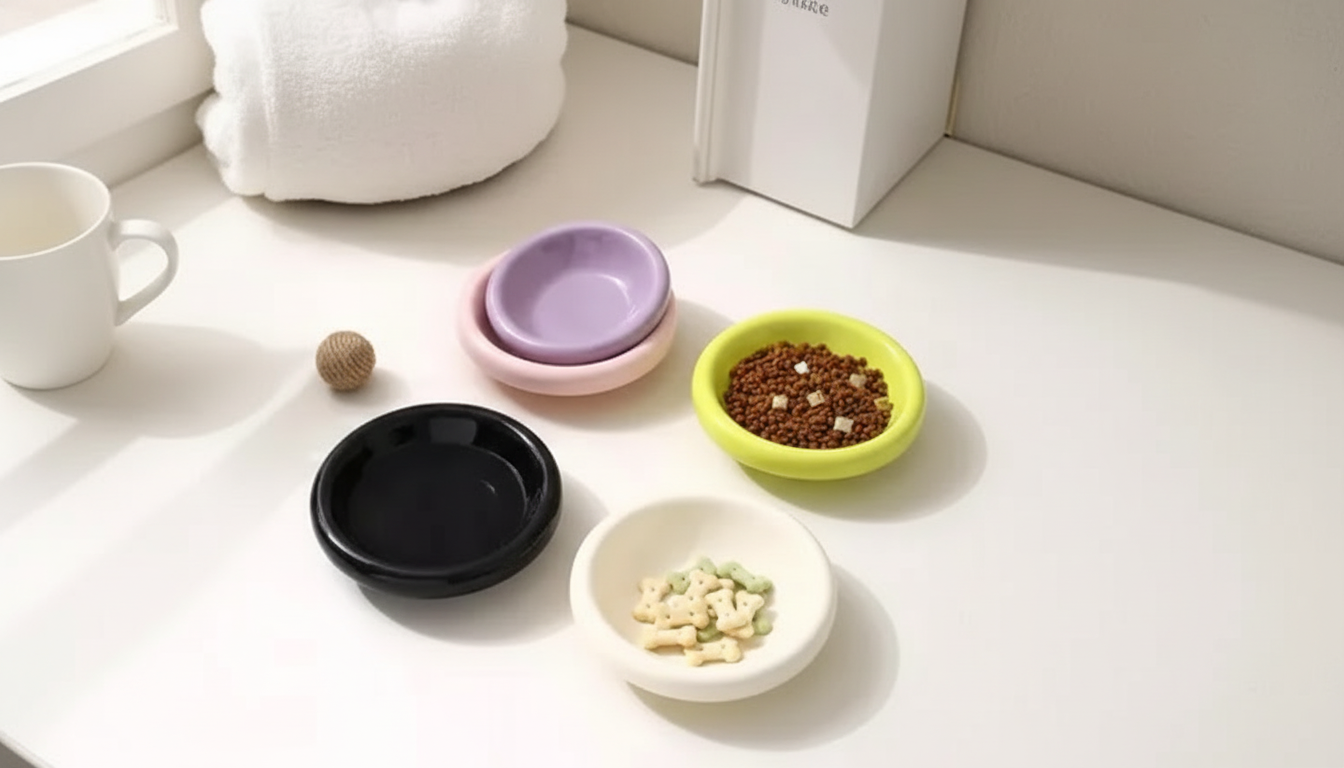
A ceramic bowl in soft macaron colors can make everyday feeding feel calmer and look more put-together—without sacrificing function. For cats and small dogs, a well-made ceramic food and water bowl offers a stable footprint, a smooth surface that’s easy to clean, and a style that blends nicely with modern, minimalist, or cozy spaces. Below are the practical details to focus on: what features matter most, how to pick a comfortable size, and how to keep bowls fresh between meals.
What makes a macaron-colored ceramic bowl a practical choice
Ceramic bowls are often chosen for their weight and stability. Compared with lightweight options, a heavier bowl tends to slide less on hard floors and is less likely to tip during enthusiastic eating or nose-pushing. A smooth, glossy glaze can also be easier to wipe clean and less likely to retain odors than materials that scratch or develop tiny grooves over time.
Macaron tones—think muted pastels—work well in living rooms, kitchens, and feeding corners because they add color without looking loud. Many pet parents also find it easier to keep routines consistent by using one bowl strictly for food and a separate bowl strictly for water, which helps with cleanliness and makes it simpler to notice changes in appetite or drinking.
Key features to check before buying
Not all ceramic bowls are created equal. Before choosing one for daily use, look closely at the details that affect hygiene, comfort, and spill resistance.
- Glaze quality: An even, intact glaze should look smooth and glossy with no rough patches that could trap residue.
- Base stability: A wider base and lower center of gravity help reduce spills, especially for pets that eat quickly or push the bowl.
- Bowl shape: Gentle curves can make it easier to scoop kibble or wet food and may help some pets access the last bites without frustration.
- Edge design: Rounded rims tend to feel more comfortable for sensitive whiskers and snouts than sharp, squared edges.
- Food-safe material: Confirm the bowl is intended for pet feeding (not decorative-only ceramic). If details are unclear, choose a bowl marketed specifically for food and water use.
As a baseline for safe handling and hygiene, it also helps to follow general pet food safety guidance from authoritative sources like the U.S. Food & Drug Administration (FDA) and pet care recommendations from the American Veterinary Medical Association (AVMA).
How to choose the right size for cats and small dogs
Size isn’t only about how much food fits—it also affects posture, comfort, and mess. A bowl that’s too deep can be awkward for some cats, while a bowl that’s too shallow may let kibble scatter for certain small dogs.
- For cats: If a cat seems hesitant with deeper dishes, a wider, shallower bowl can be more comfortable and may reduce whisker contact on the sides.
- For small dogs: Choose enough depth to keep kibble contained, but not so deep that reaching the bottom becomes inconvenient.
- For water: A slightly larger capacity than the food bowl can reduce refills, especially in multi-pet homes or during warm months.
- Match capacity to feeding style: Free-feeding dry food often works better with a bit more volume; portioned wet meals can use a smaller bowl since it’s washed more frequently.
- Consider placement: If the bowl sits on a mat, confirm the footprint fits with breathing room around it for drips and splashes.
Quick size-and-fit checklist
| Pet & routine | Bowl shape that often works well | What to watch for |
|---|---|---|
| Adult cat, wet meals | Wider and shallower | Whisker sensitivity; messy push-out eating |
| Adult cat, dry kibble | Medium width, moderate depth | Kibble scatter; sliding on hard floors |
| Small dog, dry kibble | Moderate depth with stable base | Nose pushing that tips lighter bowls |
| Water for any pet | Wider opening, higher capacity | Splashing; frequent refills |
How to Choose (when comparing similar macaron ceramic bowls)
If several bowls look alike online, narrow it down by prioritizing the parts that affect daily use and cleaning. Start with the bowl’s stability (a broader base and slightly heavier build), then confirm the glaze looks uniform and fully sealed. Next, choose a shape that matches your pet’s eating style: cats that avoid deep bowls often do better with a shallower profile, while small dogs that eat energetically benefit from a deeper bowl with a low center of gravity.
Finally, decide whether you want matching separate bowls for food and water. Keeping roles separate can make it easier to spot when water gets low, when food residue needs a quicker wash, and when it’s time for a deeper clean.
Ceramic vs. other bowl materials
Ceramic is a popular middle ground between weight, cleanliness, and home-friendly style, but it’s not the only option.
Care and cleaning for a fresher bowl
Setting up a cleaner feeding station
When a ceramic bowl may not be ideal
FAQ
How often should a cat or dog food bowl be cleaned?
Wash bowls after each wet meal, and clean dry food bowls at least daily. Water should be refreshed daily and the water bowl washed frequently to help prevent residue and biofilm buildup.
Is ceramic safe for pet food and water?
Food-safe, well-glazed ceramic is commonly used for pet feeding and is generally considered a safe option. Avoid using bowls that are cracked or chipped, since damaged glaze can harbor bacteria and create sharp areas.
What should be done if a ceramic pet bowl gets chipped?
Replace it, especially if the chip is on the rim or inside the bowl. Chips can create sharp edges and crevices that are difficult to clean thoroughly.











Leave a comment