

Cordless Clipper + Trimmer Set for Fades & Beard Lines
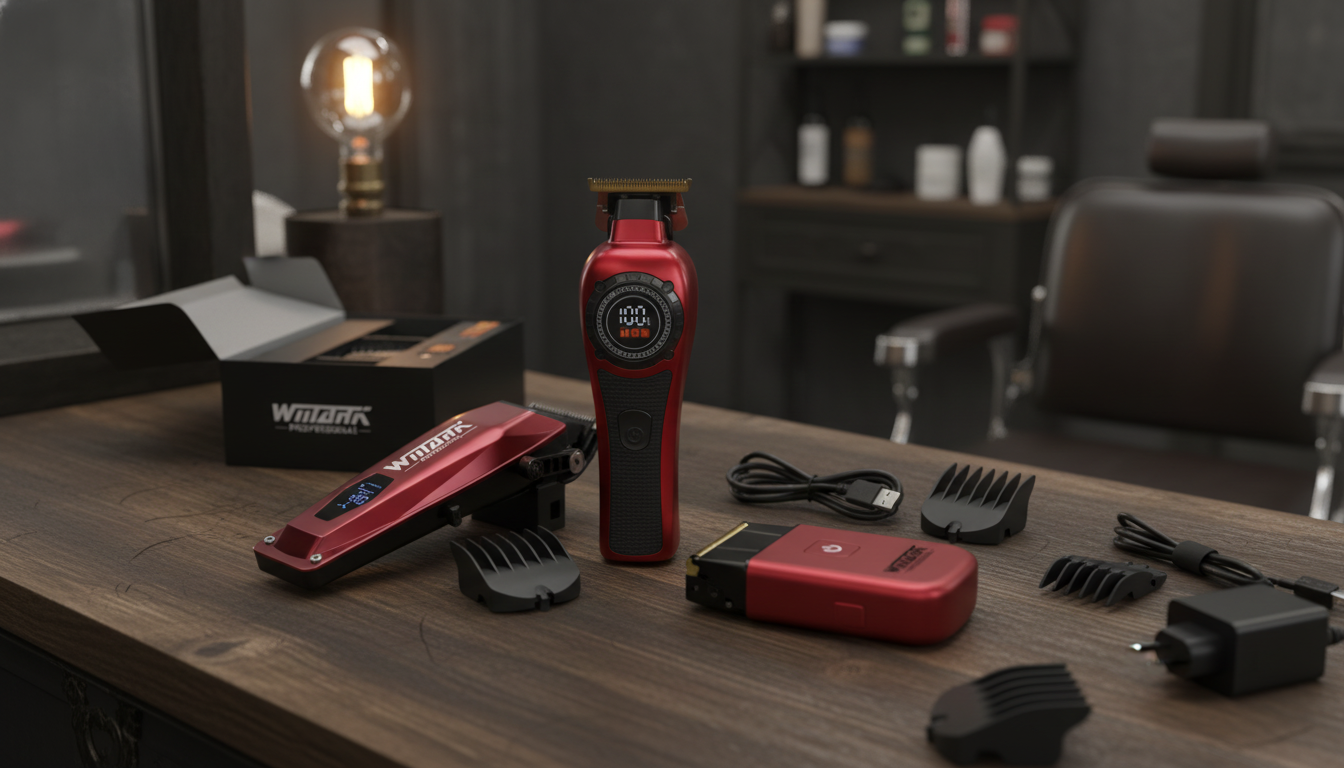
Cordless Hair Clipper and Beard Trimmer Set for Clean Fades and Sharp Lines
A reliable cordless clipper-and-trimmer combo makes at-home haircuts and beard detailing faster, cleaner, and easier to repeat. This set is built for head-to-toe grooming with the control needed for blending, edging, and quick touch-ups—without being tied to an outlet. For more guidance, see Best Beard Trimmer for You – Consumer Reports.
What This Grooming Set Is Designed to Handle
- Haircuts at home: bulk removal, tapering, and blending on the sides and back
- Beard work: shaping cheek lines, cleaning the neckline, and maintaining an even beard length
- Detail work: edging around ears, moustache cleanup, and quick touch-ups between barber visits
- Cordless convenience: easy use in bathrooms, travel, and shared spaces where outlets are limited
Why Cordless Matters for Consistent Results
Precision grooming is mostly about control. Going cordless helps keep your hands steady and your angles consistent—especially when working around tricky spots like the occipital bone (back of the head), behind the ears, and along the jawline.
- Freedom of movement helps maintain steady angles while tapering around the head
- Less cord drag reduces accidental skips while lining up beards and sideburns
- Grab-and-go convenience makes it easier to stay on schedule with weekly trims
- Travel-friendly for gym bags and trips where you still want clean edges
Key Features to Look For in a Clipper + Trimmer Combo
Not every kit handles fades and lineups the same way. If your goal is repeatable, barbershop-clean results at home, prioritize practical performance over gimmicks.
- Blade performance: sharp, durable blades that cut cleanly without tugging
- Motor strength: steady cutting through thicker hair without repeated passes
- Guide comb range: multiple lengths for fades, beard length control, and body grooming
- Ergonomics: balanced weight and a grip that stays controlled even with damp hands
- Battery and charging: enough runtime for full sessions plus straightforward charging so it’s ready when you are
- Maintenance access: an easy-to-clean blade area and included oil/brush if provided
Clipper vs. Trimmer: What Each One Does Best
Using the right tool for the job is the fastest way to get sharper lines with fewer passes (and less irritation). A clipper is built for coverage and consistency, while a trimmer is built for precision and finishing.
- Hair clipper strengths: removing bulk, cutting large areas, and working with guards for consistent lengths
- Trimmer strengths: edging, outlining, and fine detail work near the beard line and around ears
- Using both reduces irritation: fewer repeated passes and cleaner boundaries
- Two-tool consistency: one tool for length, one tool for lines
Quick Guide: Which Tool to Use
| Grooming task | Best tool | Why it works |
|---|---|---|
| Remove bulk on top/sides | Clipper | Covers more area quickly with guard control |
| Blend a fade | Clipper | Stable cutting for gradual length transitions |
| Shape beard neckline | Trimmer | Better precision for a crisp edge |
| Clean around ears | Trimmer | Smaller cutting area improves control |
| Maintain short stubble length | Trimmer | Fine adjustment and neat finish |
| Even out long beard length | Clipper (with guard) | More consistent length over larger sections |
Simple At-Home Fade and Beard Line Routine
Keep your routine predictable: start longer than you think you need, step down gradually, and check symmetry often. That combination prevents most “oops” moments.
- Prep: Start with clean, dry hair. Detangle first and pick a longer guard to begin.
- Debulk: Use the clipper to remove bulk. Work with the grain in smooth, controlled passes.
- Fade down: Step down guard lengths gradually. Use short upward motions and “flick out” as you reach the blend line.
- Mirror checks: Pause after each guard change to compare both sides and keep the fade balanced.
- Neckline: Define the beard neckline by placing it above the Adam’s apple and following the jaw curve toward the ears.
- Detailing: Switch to the trimmer for cheek lines, moustache cleanup, and around the ears. Use light pressure.
- Finish: Rinse loose hair, moisturize, and apply a small amount of beard oil or balm if that’s part of your routine.
Comfort and Skin-Friendly Trimming Tips
Clean lines shouldn’t come with bumps and redness. A few small habits make trimming noticeably more comfortable—especially for sensitive skin.
- Use minimal pressure: let the blade do the work to reduce irritation.
- Start with the grain: go against the grain only when needed for a closer edge.
- Keep blades clean: hair buildup increases heat and can cause pulling.
- Oil and brush as recommended: smoother cutting helps prevent snagging and extends blade life.
- Avoid overworking one spot: multiple passes can trigger razor bumps; finish with a gentle, fragrance-free moisturizer.
For more skin-focused guidance, the American Academy of Dermatology shares practical tips to reduce bumps and irritation: AAD shaving tips.
Care and Storage for Long-Lasting Performance
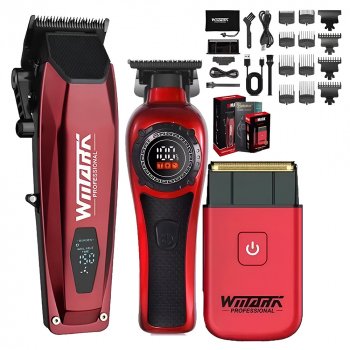
Product Spotlight: Professional Electric Hair Clipper and Beard Trimmer Set for Men – Cordless Grooming Kit
Professional Electric Hair Clipper and Beard Trimmer Set for Men – Cordless Grooming Kit
Optional Add-On for a Neater Setup
Elegant Cork Stopper Glass Storage Jar – Transparent Food & Tea Container
FAQ
What brand clippers do professional groomers use?
Many professionals choose established brands with strong motors, durable blades, and easy access to replacement parts. Brand matters less than how consistently the clipper cuts, how it feels in hand, and how easy it is to maintain over time.
What is the best men’s hair and beard trimmer?
The best option depends on what you do most: frequent fades call for a strong clipper with multiple guards, while sharp beard lines need a precise trimmer for edging. A combo kit is a practical choice when both haircutting and lineup work are part of your routine.
What are the best professional barber clippers?
Look for steady motor power, blades that stay sharp and cut cleanly without tugging, and a comfortable grip for longer sessions. A complete guard set for blending and simple cleaning/oiling access are also common “pro” necessities.













Leave a comment