

Heart-Ready Relationship Skills: Heal, Communicate, Connect

Heart Ready: A Practical Path to Self-Awareness, Healing, and Relationship-Ready Communication
Feeling drawn to love but unsure if old patterns will repeat is a common place to start. Relationship readiness is less about finding the “right” person and more about building steadier self-knowledge, healing what still hurts, and learning communication habits that protect connection under stress. The goal isn’t perfection—it’s becoming someone who can stay present, speak honestly, and repair quickly when emotions run high.
What “ready for a healthy relationship” actually means
Being ready is a set of skills you can practice, not a personality type you either have or don’t. These markers offer a practical way to measure progress:
- Emotional availability: staying present without shutting down, chasing reassurance, or avoiding intimacy when things feel real.
- Self-responsibility: owning feelings, choices, and triggers without outsourcing regulation to a partner.
- Consistency between values and behavior: showing up as the person being promised, not only the person being described.
- Capacity for repair: conflict happens; readiness shows up in how quickly accountability, empathy, and problem-solving return.
- Healthy interdependence: keeping friendships, goals, and boundaries while still letting closeness grow.
If attachment patterns are part of your story, it can help to learn how they show up in adult relationships. The American Psychological Association has a helpful overview of attachment theory and relationship dynamics.
Self-awareness: noticing patterns before they run the relationship
Self-awareness keeps you from treating the next relationship like a redo of the last one. Instead of waiting for a crisis, start noticing your typical sequence: trigger → story you tell yourself → coping move → outcome.
- Identify repeating themes: jealousy, people-pleasing, emotional distance, choosing unavailable partners, or rushing intimacy.
- Track triggers and body signals: tight chest, spiraling thoughts, urge to withdraw, or impulse texting—these are early warnings, not character flaws.
- Clarify attachment tendencies: secure, anxious, avoidant, or fearful-avoidant—and what actually helps you regulate during uncertainty.
- Define non-negotiables and flexible preferences: what is required for respect and safety versus what is simply “nice to have.”
- Build a personal pause practice: a short routine (breathing, a walk, a journal prompt) that prevents reactive decisions.
Quick self-check: patterns and supportive responses
| If this happens… | It might signal… | Try this instead |
|---|---|---|
| You over-explain or defend quickly | Fear of being misunderstood or rejected | Ask one clarifying question, then share one feeling and one need |
| You go cold or disappear after conflict | Overwhelm and protection through distance | Name the need for a break and commit to a return time |
| You ignore red flags to keep peace | People-pleasing or scarcity mindset | Write the concern down and discuss it calmly within 48 hours |
| You feel anxious when texts slow down | Reassurance-seeking and uncertainty intolerance | Ground in evidence, set a check-in plan, return to your own plans |
Healing before dating feels like a test you can’t pass
Healing doesn’t mean you never get triggered. It means you can recognize what’s happening and choose a response that protects your dignity and the connection.
- Differentiate wounds from warnings: a trigger can be old pain, but it can also be current disrespect—both deserve attention.
- Practice self-compassion without excusing harm: validate your history while still expecting healthy behavior from others.
- Reduce “emotional debt”: unfinished grief, unresolved betrayal, and lingering shame often show up as hypervigilance or numbness.
- Strengthen support systems: friends, community, and professional help prevent a new partner from becoming the only coping tool.
- Use pacing as a healing strategy: slow down exclusivity, keep routines, and let trust build through consistent actions over time.
If something feels unsafe or controlling, don’t talk yourself out of it. The National Domestic Violence Hotline offers clear guidance on warning signs and safety planning.
Communication skills that protect connection (especially under stress)
Most relationship blowups aren’t caused by one topic—they’re caused by the way the topic gets handled when nervous systems are activated.
For research-based frameworks on repair and conflict recovery, the Gottman Institute is a widely used resource.
A readiness checklist for the next 30 days
Using a guided workbook to turn insight into habits
If you want a structured, step-by-step tool, Heart Ready: Your Guide to Preparing for a Healthy Relationship (Digital Download) is designed to help build self-awareness, support healing, and strengthen communication through practical exercises.
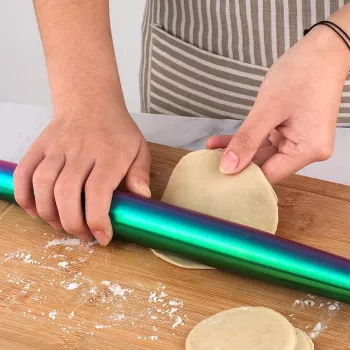
To support “heart-ready” routines outside of journaling, small stabilizers can help—especially if they anchor your pause practice to something physical and repeatable. A soothing tea ritual pairs well with an Elegant Cork Stopper Glass Storage Jar – Transparent Food & Tea Container, and a calming weekend reset can include comfort baking with a Stainless Steel Non-Stick Rolling Pin Set for Baking & Kitchen Use. If shared meals are part of your connection-building, the Beautiful Stainless Steel Shell Spoon – Elegant Kitchen Ladle Set is an easy upgrade for everyday nourishment.
FAQ
How do you know you’re ready for a relationship?
Readiness looks like emotional availability, clear boundaries, and the ability to repair after conflict. It also means your life won’t collapse if you don’t get constant reassurance or attention.
Can you heal while dating, or should you wait until you feel completely healed?
You can heal while dating, as long as you pace intimacy, keep strong support systems, and take responsibility for your triggers. Dating works best when it adds to your stability instead of becoming your main coping strategy.
What are practical ways to improve communication before getting serious?
Practice “feelings + meaning + request” statements, ask curiosity questions instead of mind-reading, and agree on a respectful time-out plan for conflict. After tension, use repair steps: name impact, take responsibility, validate emotion, and propose a next action.













Leave a comment