

Luxury Smart Automatic Trash Can: Square, Eco-Friendly
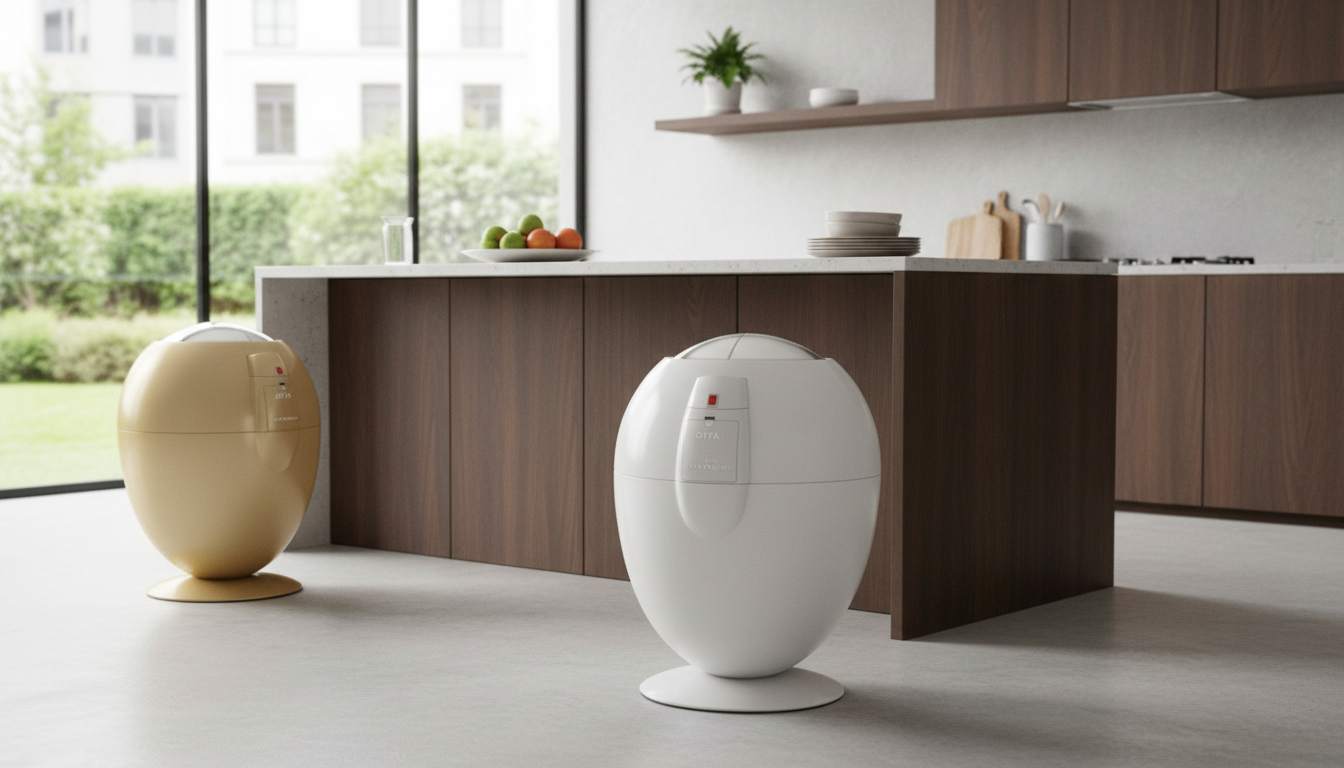
Luxury Smart Automatic Trash Can – Eco-Friendly Square Waste Bin
A premium trash can can do more than hide waste—it can reduce mess, improve hygiene, and blend into modern kitchens and offices. A smart automatic lid helps keep hands clean, while a square footprint can save space along walls and cabinets. This guide breaks down practical benefits, what to check before buying, and how to keep an automatic bin working smoothly.
What Makes a Smart Square Bin Feel Truly “Luxury”
- Touch-free lid operation to reduce contact with germs and food residue—especially helpful during meal prep.
- Quiet open/close behavior that won’t disturb others in shared spaces or late-night kitchen use.
- Square profile that fits flush against cabinetry and corners, maximizing floor efficiency in tight layouts.
- Premium exterior finishes that resist fingerprints and pair well with stainless and modern décor.
- Stable base and balanced lid design to prevent wobble when used frequently (or when tossed items land off-center).
- Design details that minimize odors when the lid is closed, so the room stays fresher between bag changes.
Everyday Benefits for Kitchens, Bathrooms, and Offices
- Cleaner cooking workflow: dispose of peels, wrappers, and packaging without touching a lid.
- Helps reduce drips and smudges on cabinet fronts when hands are wet, greasy, or messy.
- Useful for bathrooms: contactless disposal for tissues and wipes (always follow local disposal rules).
- Office and studio use: keeps a tidy look during meetings, client visits, and collaborative work sessions.
- Supports better habits by making disposal effortless—especially when the bin is placed where waste is created.
- Square shape can be easier to line up under counters or beside appliances than round bins.
For hygiene basics, the CDC’s guidance on hand hygiene is a helpful reminder that reducing unnecessary contact points can support cleaner routines: CDC — Handwashing: Clean Hands Save Lives.
Feature Checklist: What to Look For Before Buying
- Sensor behavior: reliable detection without opening from minor movement across the room.
- Power setup: battery type, expected battery life, and whether there’s a low-power indicator.
- Lid sealing: tighter closure generally helps reduce odor escape between openings.
- Liner compatibility: whether common bag sizes fit securely and stay hidden under a rim.
- Materials: durable outer shell; interior bucket (if included) should be easy to wipe and remove.
- Ease of cleaning: smooth interior surfaces, minimal seams, and removable components.
- Safety and convenience: manual open/close option for bulky trash and longer open time when needed.
Quick Comparison: Smart Automatic vs. Standard Pedal Bins
Automatic lids reduce touch points and can look cleaner without a pedal assembly, but they do require power. Pedal bins avoid batteries and can be placed anywhere, yet the mechanical linkage can wear over time. Both styles benefit from small maintenance habits like routine wipe-downs and keeping moving parts free of grime.
| Factor | Smart Automatic Lid | Standard Pedal Bin |
|---|---|---|
| Hygiene | Hands-free opening reduces contact | Hands-free, but foot contact and lid contact can occur during bag changes |
| Odor control | Often better sealing depending on lid design | Varies by model; some lids don’t seal tightly |
| Maintenance | Sensor window and lid area need wiping; batteries need replacement/charging | Pedal linkage can loosen; fewer electronics |
| Placement | Great near prep areas; avoid direct spray/steam zones | Flexible placement; no power concerns |
| Noise | Can be very quiet if damped | Depends on lid design and pedal action |
Eco-Friendly Considerations That Actually Matter
- Durability is a sustainability feature: a long-lasting bin reduces replacement waste and shipping impacts.
- Efficient bag fit: a secure liner setup can reduce torn bags, leaks, and double-bagging.
- Easy-to-clean surfaces: when a bin wipes clean quickly, it can reduce reliance on harsh disposable wipes.
- Battery choices: when compatible and safe, rechargeable batteries can reduce waste from disposables.
- Odor control that works: effective sealing can discourage overuse of heavily scented liners and sprays.
For everyday waste-reduction ideas that pair well with smarter home products, see: U.S. Environmental Protection Agency (EPA) — Reduce, Reuse, Recycle.
Setup, Placement, and Care for Reliable Sensor Performance
- Place the bin where the sensor won’t be triggered by constant pass-by traffic (like a tight hallway edge).
- Keep the sensor area clean and dry; residue or splatter can reduce detection accuracy.
- Avoid positioning directly next to heat/steam sources (stovetops, dishwashers vents) that may cause false triggers.
- Use the recommended liner size so the bag doesn’t interfere with the lid seal or snag during closing.
- Wipe interior surfaces regularly; deodorize with simple, non-abrasive cleaners and let the bin dry fully.
- If the lid becomes slow or inconsistent, check battery level first, then clean along moving edges and seams.
Product Spotlight: Luxury Smart Automatic Trash Can – Eco-Friendly Square Waste Bin
If the goal is a cleaner-looking, more hygienic disposal setup, the Luxury Smart Automatic Trash Can – Eco-Friendly Square Waste Bin is built around the features that tend to matter most day-to-day: a refined modern look, a space-efficient square footprint, and touch-free opening that keeps hands cleaner during cooking and cleanup.
Complementary home picks for a coordinated, clutter-reduced setup
- Elegant Cork Stopper Glass Storage Jar – Transparent Food & Tea Container for dry goods, tea, and countertop organization.
- Stainless Steel Non-Stick Rolling Pin Set for Baking & Kitchen Use for easy pastry handling and quick wipe-clean maintenance.
- Beautiful Stainless Steel Shell Spoon – Elegant Kitchen Ladle Set for a cohesive, modern utensil look.
Common Mistakes to Avoid
FAQ
What are the disadvantages of smart trash bins?
Smart trash bins typically cost more upfront and require batteries or charging, plus occasional sensor and lid cleaning to prevent false triggers. Electronics can fail over time, but good placement, routine wipe-downs, and keeping spare batteries on hand can minimize most day-to-day drawbacks.














Leave a comment