

Sony A7 Housing Rated 130ft: Setup, Seals, Stability
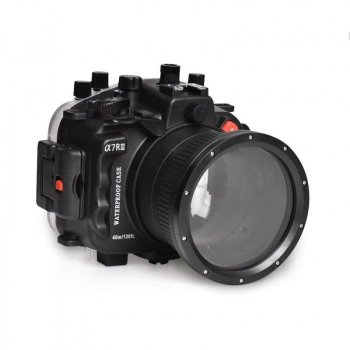
130ft Professional Diving Camera Housing for Sony A7 Series: Controls, Confidence, and Clarity Underwater
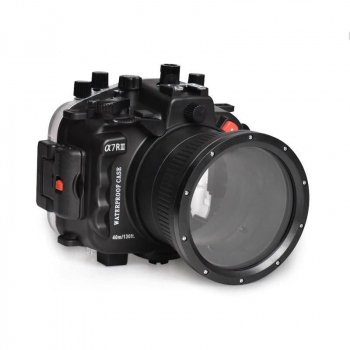
A dependable housing is the difference between bringing home sharp underwater frames and worrying about every splash. The 130ft Professional Diving Camera Housing for Sony A7 Series is built for depth, control access, and stable shooting in moving water—whether for reef scenes, wreck details, or pool practice sessions. With a sealed system that still prioritizes practical operation, it’s designed to help you stay focused on composition, timing, and light rather than the safety of your camera. For more guidance, see Library Research Guides Equipment Loan Guide Cameras – Video.
What This Housing Is Built For
- Depth-rated protection up to 130ft for demanding dives and repetitive use.
- Designed around Sony A7 Series handling needs: quick access to key camera operations while sealed.
- Useful for video and stills where steady framing, predictable controls, and port alignment matter.
- A strong match for travel kits that need robust protection and consistent performance across multiple dive days.
Underwater, small inefficiencies add up fast—especially when current, surge, or thick gloves get involved. A housing that feels “logical” in your hands can translate into more keepers, fewer missed moments, and a smoother workflow when the subject finally drifts into position. For further reading, see A low-cost, long-term underwater camera trap network coupled with ….
Compatibility and Setup Essentials
Before the first real dive, confirm the exact Sony A7 body model and the lens you’ll be using. Underwater housings and ports must match camera dimensions and lens geometry precisely—small mismatches can create binding controls, vignetting, or difficulty reaching essential settings at depth.
- Confirm camera body and lens compatibility before committing to a port and dive plan.
- Check that all buttons and dials align and move freely before sealing.
- Prepare the camera settings: disable auto power-off (as preferred), set focus mode, configure custom buttons for underwater use, and verify record settings.
- Perform a dry run: close the housing without the camera first, then confirm seal integrity and latch security.
Pre-Dive Setup Checklist
| Step | What to check | Why it matters |
|---|---|---|
| Inspect sealing surfaces | O-ring groove and mating surfaces are clean and hair/sand-free | Debris is a common cause of leaks |
| O-ring condition | No twists, nicks, or flat spots; lightly lubricated if recommended | Maintains consistent compression and sealing |
| Control movement | Buttons and dials return smoothly and don’t stick | Prevents unwanted input and wear |
| Port and latch security | Port fully seated; latches fully engaged | Reduces risk during entry and current |
| Dry pressure check (if available) | Vacuum/pressure confirmation before water contact | Adds confidence before descent |
Depth Rating, Safety Margins, and Real-World Use
A 130ft rating is suitable for many recreational and advanced dive profiles, but it’s still important to plan within your training limits and local conditions. Depth is only one part of the stress on a housing—entries, surf, ladders, and repetitive handling can be just as punishing over a week of diving.
- Thermal changes and repeated entries can affect seals—rinse and re-check between dives.
- Avoid opening on wet decks or in wind-blown sand; protect the sealing area during battery and card swaps.
- Use a lanyard or tray/handles to reduce drop risk on ladders and in surf zones.
If you need to open between dives, create a “clean zone”: towel down the housing, keep the opening facing away from spray, and treat the O-ring like the most important part of your entire kit—because it is.
Underwater Handling: Controls, Buoyancy, and Stability
Even with excellent camera specs, underwater footage often fails for a simple reason: instability. The most usable rigs are the ones that trim well and respond predictably when you breathe, kick, or rotate around a subject.
- Stable framing depends on grip and trim: consider a tray/dual-handle setup for video or longer lenses.
- Test buoyancy in shallow water; adjust with floats/weights so the rig is neutral or slightly negative for control.
- Practice critical operations (AF-ON, ISO, shutter, aperture, record) in a pool or calm water to build muscle memory.
- Move slowly around marine life; steadier movement improves sharpness and keeps subjects relaxed.
Pool time is underrated. A short practice session can reveal whether a dial is too stiff, whether a custom button needs remapping, or whether the rig is nose-heavy and tiring on a long swim.
Image Quality Factors: Ports, Lenses, and Lighting
Care and Maintenance for Long Service Life
For small accessories like spare O-rings and desiccant packs, a dedicated container helps keep items clean and easy to find during travel. The Elegant Cork Stopper Glass Storage Jar is a simple way to separate “clean spares” from the rest of a wet gear bag.
Common Troubleshooting Before It Becomes a Problem
Product Snapshot and When It Makes Sense
Quick Specs at a Glance
| Item | Detail |
|---|---|
| Product | 130ft Professional Diving Camera Housing for Sony A7 Series |
| Depth rating | 130ft |
| Availability | In stock |
| Price | $1311.99 USD |
FAQ
How deep can this Sony A7 Series housing be used?
This housing is depth-rated to 130ft. Stay within your training limits and conditions, and keep seals dependable by doing careful pre-dive checks and consistent rinsing/maintenance between dive days.
How can fogging inside the housing be prevented?
Seal the housing in a cool, dry environment, use desiccant packs, and avoid closing it in hot, humid air. Let the camera and housing equalize in temperature before sealing, and minimize opening between dives in humid conditions.
What should be checked before the first dive day?
Inspect and clean the O-ring and sealing surfaces, confirm control alignment and smooth return, verify port seating, and ensure latches are fully secure. A shallow-water test (or vacuum/pressure check if available) adds confidence before deeper dives.










Leave a comment