

Will AI Replace Yoga Teachers? The Hybrid Future
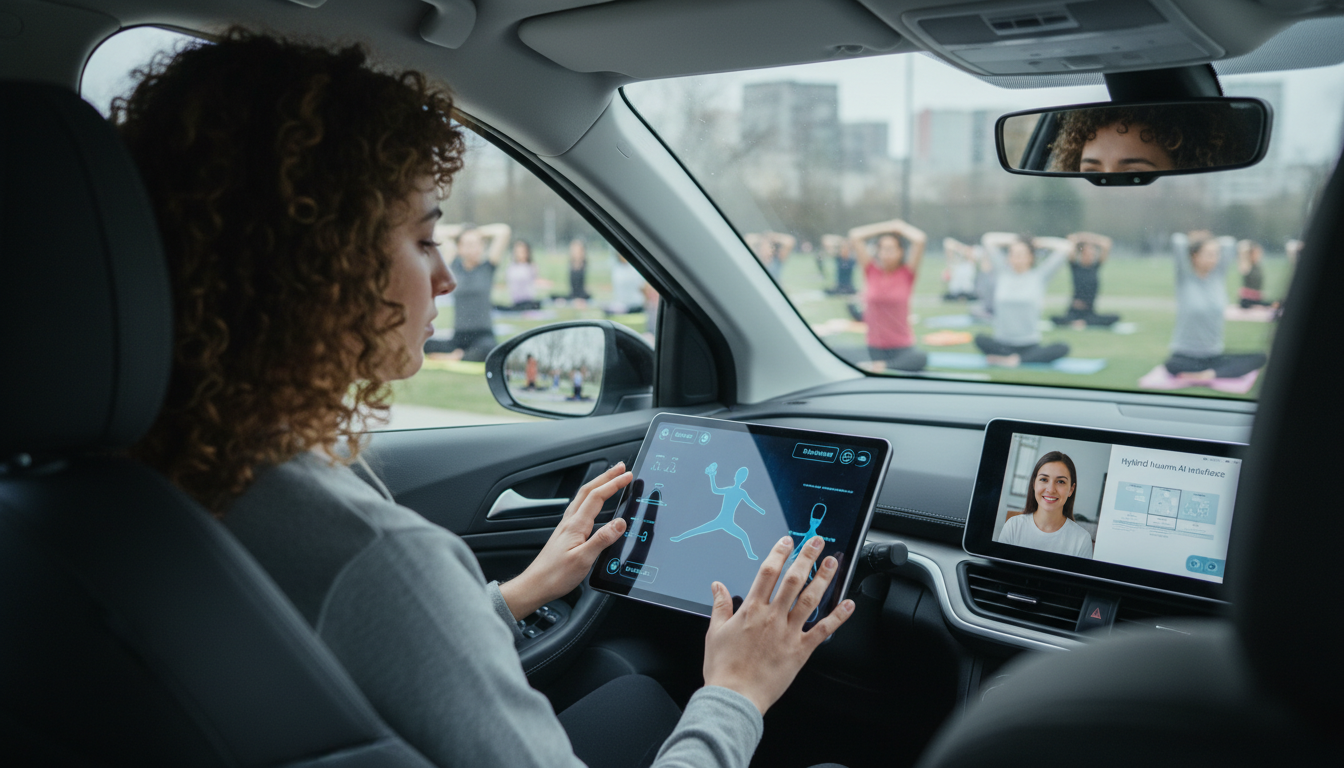
Will AI replace yoga teachers?
AI is unlikely to replace yoga teachers, but it will change what “teaching” looks like. Yoga is more than sequencing poses: it’s real-time observation, hands-on adjustments (when appropriate), emotional attunement, and creating a safe, motivating environment. AI can deliver convenience and structure, yet it can’t fully match the nuance of a skilled teacher reading breath quality, fatigue, pain signals, or the unspoken needs of a student in the moment.
Where AI fits well in yoga
AI tools can be excellent for supporting daily practice. They can suggest routines based on time available, track consistency, offer reminders, and provide general form cues. For many people, that makes yoga more accessible—especially when schedules, budget, or location make in-person classes difficult.
AI is also useful as a planning partner: building balanced sequences, surfacing pose variations, and helping users avoid obvious conflicts (like pairing deep backbends with sensitive low backs). For a safer, more thoughtful approach to using AI during practice, see the detailed guide here: AI yoga checklist for a safer, smarter daily practice.
Why teachers still matter
Good teachers do more than demonstrate shapes—they teach skills: how to breathe under effort, how to scale intensity, how to work with injury history, and how to stay present. They can notice asymmetries, compensate patterns, or strain before it becomes pain, and then offer personalized regressions or props that make sense for that specific body on that specific day.
Teachers also provide accountability and community, which often determines whether someone sticks with a practice long enough to see benefits. AI can remind, but it can’t genuinely relate, hold space, or respond with human warmth and judgment shaped by experience.
The likely future: hybrid yoga
The most realistic outcome is a hybrid model: AI handles scheduling, practice ideas, and basic guidance; teachers handle personalization, safety, and the deeper learning that unfolds through feedback and relationship. For students, that can mean practicing more often with AI support while using live classes—online or in person—to refine technique and build confidence.
FAQ
Is AI yoga safe for beginners?
It can be, but beginners do best with conservative routines, clear stop signals, and a focus on comfort over depth. If possible, pair AI-guided sessions with occasional instruction from a qualified teacher to catch form issues early.














Leave a comment