

Cardboard Scratcher Lounge Bed Safety for Kittens & Seniors
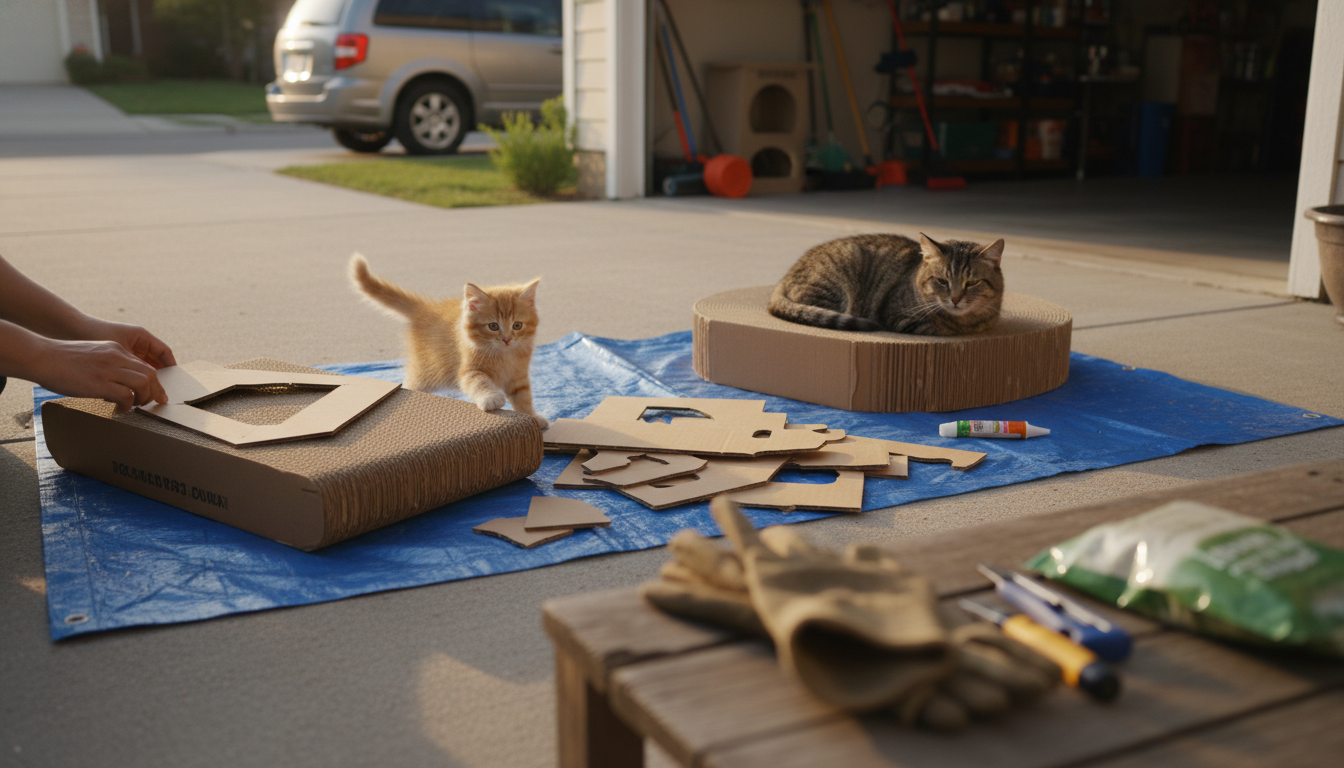
Is a cardboard cat scratcher lounge bed safe for kittens and senior cats?
Yes—most cardboard cat scratcher lounge beds are safe for kittens and senior cats when they’re well-made, kept dry, and used under basic supervision. Cardboard is lightweight and has a bit of “give,” which can feel comfortable for tiny kittens and for older cats who prefer a softer, warmer surface to nap on between scratch sessions.
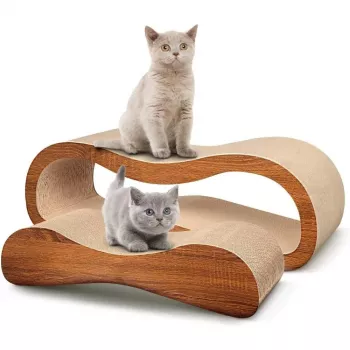
The biggest safety factors aren’t age-specific as much as they are product- and home-specific: sturdy construction, non-toxic materials, and placement on a stable surface. A quality lounge-style scratcher should sit flat without rocking, have clean edges that won’t splinter, and use pet-safe glue so curious kittens (and some seniors) aren’t exposed to harsh chemicals.
What to watch for with kittens
Kittens can be enthusiastic chewers and climbers, so choose a scratcher with thick, dense cardboard layers and a wide base that won’t tip. Avoid models with loose decorative pieces that could detach. If your kitten is actively eating cardboard bits, remove the scratcher and switch to a different texture (like sisal) until the chewing phase passes.
What to watch for with senior cats
Older cats often have reduced balance, vision changes, or arthritis. A lounge bed with a low profile is typically easier to step onto than elevated scratchers. Make sure it doesn’t slide—placing it on carpet, a rug pad, or a non-slip mat helps prevent sudden shifts that can startle or strain an older cat.
Simple safety checklist
Pick a scratcher that feels solid when pressed, has no sharp corners, and doesn’t shed excessive dust. Replace it when it becomes soggy, heavily frayed, or starts collapsing. Keep it away from litter areas and spills so it stays clean and structurally sound.
For more details on what to look for in a durable, cozy 2-in-1 scratcher lounge (and how it holds up over time), visit this guide to a 2-in-1 cardboard cat scratcher lounge bed.
FAQ
How do you keep a cardboard cat scratcher lounge bed clean?
Shake or vacuum off loose debris, then spot-clean the surrounding area rather than soaking the cardboard. If it gets wet or starts to smell, it’s safest to replace it since moisture weakens the structure.












Leave a comment