Men’s Quartz Chronograph Watch Guide: Specs & Fit
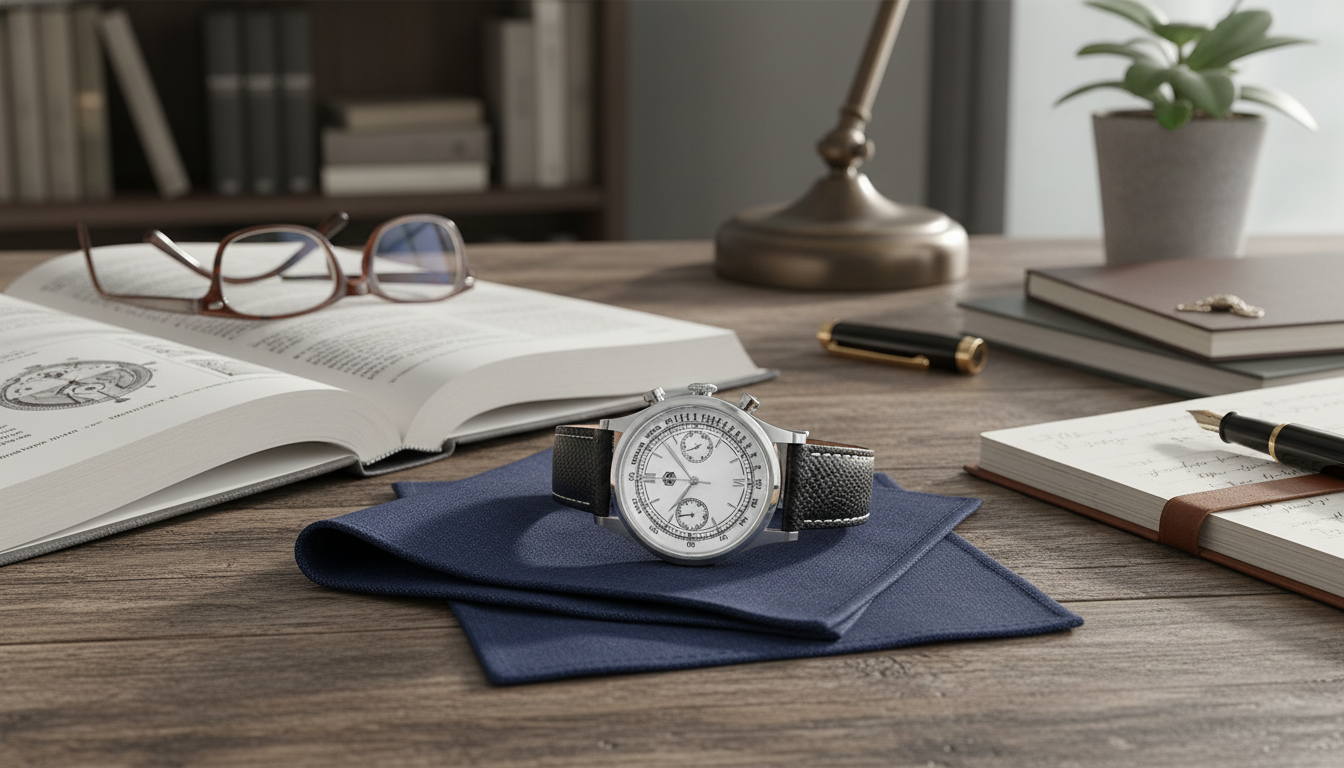
Men’s Quartz Chronograph Watch: Precision Timing with a Sport-Ready Look
A quartz chronograph pairs battery-powered accuracy with a built-in stopwatch, wrapped in a design that can look just as appropriate with a button-down as it does with a hoodie. The result is a watch that handles everyday timekeeping with minimal fuss while adding practical timing tools for workouts, commuting windows, or travel schedules. Below is a clear breakdown of what the movement does, how the chronograph works day to day, which specs affect comfort, and how to keep performance consistent over the long run.
What a Quartz Chronograph Does (and What It Doesn’t)
At its core, a quartz watch uses a battery and a quartz crystal oscillator to keep time steadily. That’s why quartz is widely associated with dependable accuracy and low maintenance beyond periodic battery changes. Chronograph, on the other hand, describes a function: a stopwatch that measures elapsed time, usually displayed through sub-dials or indicator registers on the dial.
Most chronographs use two pushers: one to start/stop and another to reset. The crown sets the time and often adjusts the date. One common point of confusion: “chronograph” is not the same as “chronometer.” A chronograph is a timing function; a chronometer refers to a watch that meets specific accuracy standards under testing and certification.
Quartz Chronograph vs. Non-Chronograph Quartz Watch
| Feature | Quartz Chronograph | Standard Quartz |
|---|---|---|
| Elapsed-time measurement | Yes (stopwatch function) | No |
| Dial layout | Often includes sub-dials and extra markings | Typically simpler |
| Controls | Crown + 2 pushers (common) | Crown only (common) |
| Battery demand | Usually higher (especially if chronograph runs often) | Usually lower |
| Best for | Timing tasks, active wear, sport styling | Minimalist daily wear |
Key Specs That Decide Comfort and Daily Use
Two watches can look similar online and feel completely different on the wrist. Comfort is mostly determined by proportions, weight distribution, and how readable the dial stays in real-world lighting.
- Case diameter and thickness: Larger, thicker cases tend to project a sport-forward look, but they can catch on shirt cuffs. If the watch needs to work in office settings, thickness matters as much as diameter.
- Weight and balance: Metal bracelets can feel reassuringly substantial, but if the watch is top-heavy, it can slide and fatigue the wrist during long days. A well-balanced case and bracelet/strap combination usually wears better than the raw weight number suggests.
- Crystal type: Mineral crystal is common and affordable; sapphire crystal is typically more scratch-resistant and stays clearer over years of wear.
- Water resistance rating: The rating tells you whether the watch is suited for rain and handwashing versus swimming. For an overview of water-resistance standards, see ISO 22810 (Water-resistant watches).
- Lume and contrast: A chronograph dial can get busy. Strong contrast between hands/markers and the dial, plus usable lume, often matters more than extra complications.
Chronograph Details That Matter in Real Life
The chronograph feature is only as enjoyable as it is usable. Small design decisions—pusher feel, hand layout, and reset behavior—determine whether the stopwatch becomes a daily tool or a feature you forget exists.
- Pusher feel: Crisp, predictable actuation makes quick timing easier (interval training, parking meters, cooking steps, or commute segments).
- Central seconds hand vs. sub-dial seconds: Many chronographs use a small sub-dial for the running seconds and reserve the long central seconds hand for timing. That’s normal, but it’s worth knowing so you don’t assume the watch “stopped” when the center seconds hand isn’t moving.
- Reset behavior: When you press reset, the chronograph hands should snap cleanly back to zero. If they consistently land off-center, the watch may need recalibration or service.
- Timing etiquette with water: Avoid operating pushers underwater unless the watch is explicitly designed for it and the manufacturer permits it. Pressing pushers can compromise seals on many designs.
Quartz timekeeping is also backed by highly stable time standards at the national level—useful context for why quartz is trusted for daily accuracy. Learn more from NIST Time and Frequency.
Style and Versatility: From Business Casual to Sport
Chronographs naturally lean sporty, but the right color and finishing can shift the vibe from weekend-ready to business casual without losing functionality.
If impact resistance is a concern for travel or active wear, it helps to understand what “shock-resistant” can mean in formal terms; see ISO 1413 (Shock-resistant watches) for an overview.
Care, Battery, and Longevity
Product Spotlight: Men’s Quartz Chronograph Watch
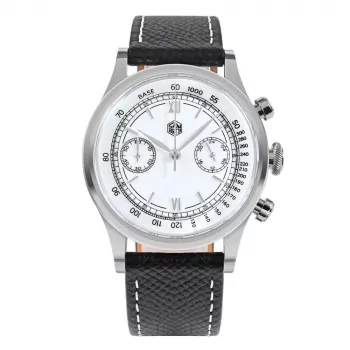
For a bold, athletic everyday option, the Men’s Quartz Chronograph Watch is positioned as a practical daily wearer that blends dependable quartz timekeeping with a stopwatch function. It fits routines where timing matters—commutes and scheduling, casual business settings, travel timing (transit windows, parking meters), and interval-based workouts.
Quick Snapshot
| Detail | Info |
|---|---|
| Product | Men’s Quartz Chronograph Watch |
| Price | $355.67 USD |
| Availability | In stock |
| Product page | https://hovira.com/mens-quartz-chronograph-watch/ |
More In-Stock Picks Worth Knowing About
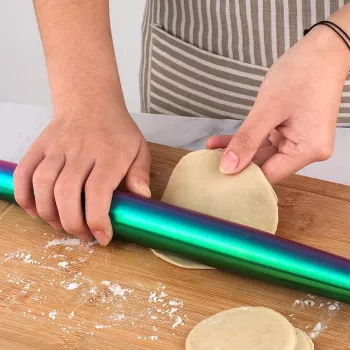
- Stainless Steel Non-Stick Rolling Pin Set for Baking & Kitchen Use (handy for weekend baking projects where timing and prep matter)
- Beautiful Stainless Steel Shell Spoon – Elegant Kitchen Ladle Set (a simple upgrade for serving and hosting)
FAQ
Is quartz better than chronograph?
Quartz is a movement type (battery-powered timekeeping), while a chronograph is a stopwatch function. Neither is inherently better—quartz tends to be accurate and low-maintenance, while a chronograph adds timing utility at the cost of extra controls, a busier dial, and often higher battery use.
Is a Tissot chronograph a luxury watch?
Tissot is commonly positioned in the entry-level to mid-range Swiss watch segment. Whether it’s “luxury” depends on the specific model, materials and finishing, movement type, and price tier—plus personal expectations about what luxury means.











Leave a comment