

Disadvantages of Smart Trash Bins: Cost, Power & Misfires
What are the disadvantages of smart trash bins?
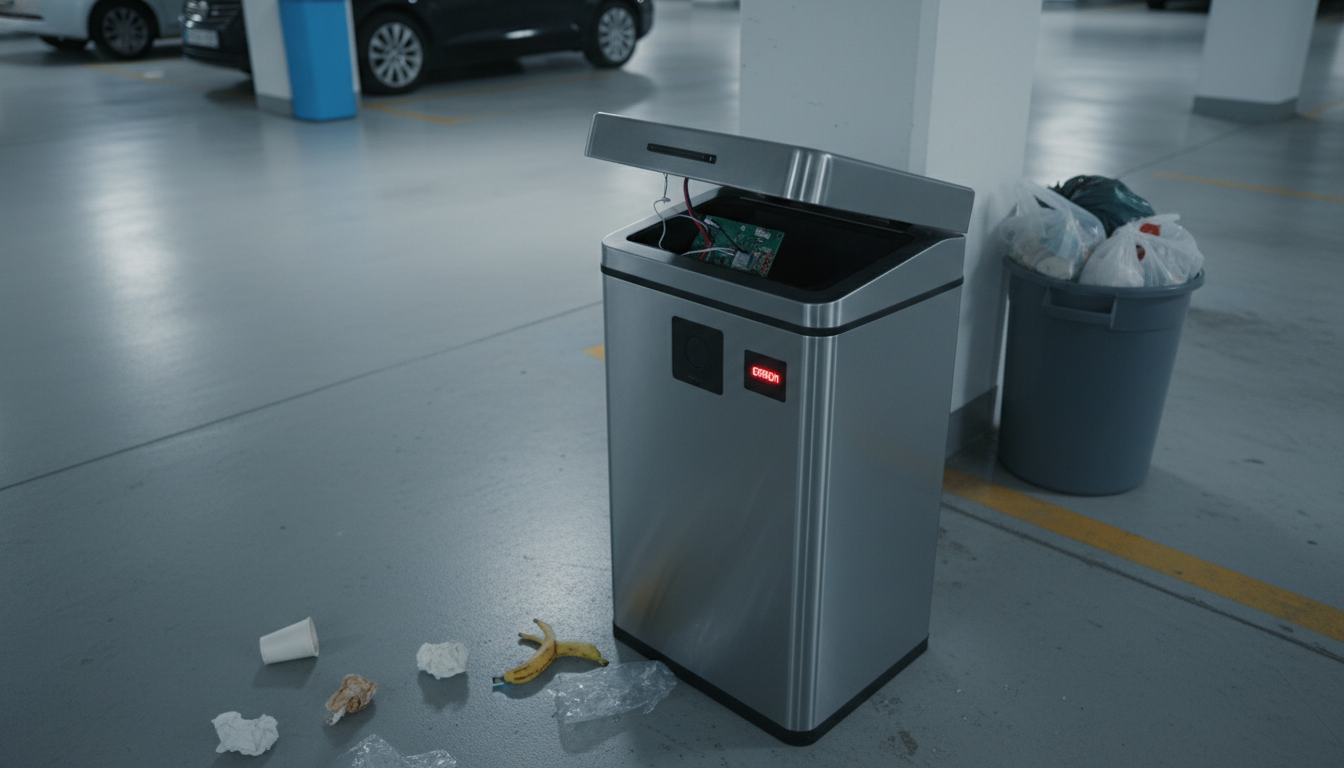
Smart trash bins add convenience with touchless lids, odor control, and sleeker designs, but they also come with trade-offs that matter in day-to-day use. The biggest drawbacks tend to be cost, maintenance, and reliability—especially compared with a simple manual can.
Higher upfront cost (and sometimes ongoing costs)
Smart bins typically cost more than standard trash cans because they include sensors, motors, and sometimes specialty features like deodorizing cartridges. If the model uses proprietary liners, refill packs, or filters, those recurring purchases can raise the total cost over time.
Batteries, charging, and power-related hassles
Most automatic lids rely on batteries or rechargeable packs. That means keeping spares on hand, remembering to recharge, or dealing with a lid that stops opening at the worst time. Cold garages, high humidity, or heavy-use households can drain power faster than expected.
More parts that can fail
A manual lid has very little to break. A smart bin adds sensors, hinges, gears, and electronics. Over time, the motion sensor can become less responsive, the motor can weaken, or the lid mechanism can misalign—especially if the bin gets bumped or the lid is forced shut by hand.
Sensor misfires and “unwanted openings”
Motion-activated lids can trigger from pets, passing legs, sunlight changes, or nearby cabinets opening. Aside from being annoying, frequent openings can waste battery, let odors escape, and draw attention to the trash when you’d rather keep it sealed.
Cleaning can be trickier
Many smart bins have seams around the lid, sensor windows, or battery compartments that require more careful wiping. Liquids or grime near the electronics may be harder to clean safely, and you may need to avoid harsh soaking that would be fine with a basic plastic can.
Not always ideal for heavy-duty use
In busy kitchens or shared spaces, constant lid cycling can be a weak point. Some models also struggle with bulky waste, overstuffed bags, or tall items that interfere with the lid’s closing path.
For a practical breakdown of features, materials, and what to look for before buying, see this smart automatic trash can guide.
FAQ
Do smart trash bins help with odor control?
Many do, but results depend on the lid seal, inner bucket design, and whether the bin uses filters or deodorizer cartridges. A well-sealed lid plus regular bag changes usually matters more than any add-on feature.













Leave a comment