

Portable Fridge Guide: Power, Capacity & Safe Cooling
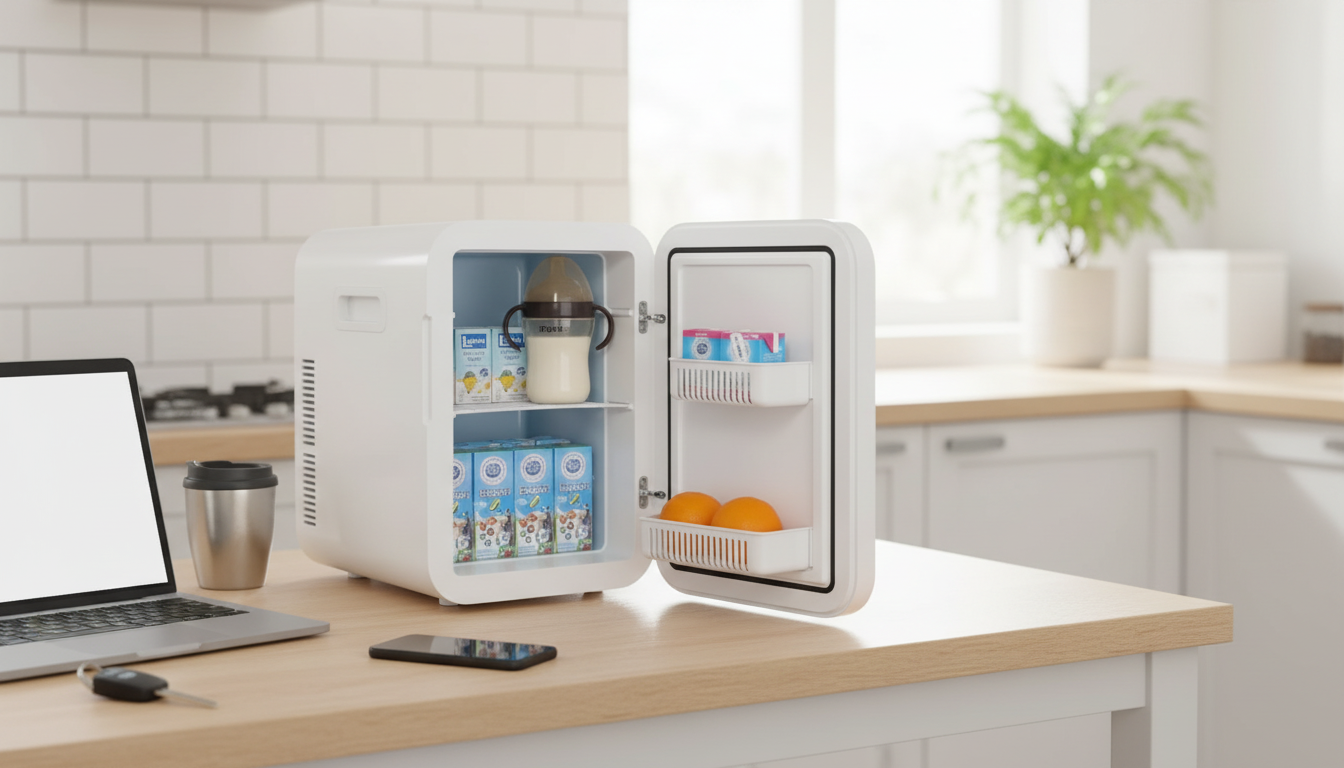
Portable Fridge Essentials: Cooling Power Anywhere You Go
A portable fridge keeps food and drinks reliably cold when a kitchen is out of reach—on road trips, at campsites, in workshops, or as extra cold storage at home. The right model balances capacity, power options, cooling performance, noise level, and portability so items stay at safe temperatures without draining a battery faster than expected.
What a Portable Fridge Is (and When It Beats a Cooler)
A portable fridge is a compact, powered refrigeration unit designed to travel. Unlike an ice-based cooler that gradually warms as ice melts, a portable fridge actively maintains a set temperature for hours (or days) as long as it has power. That steady performance is a major advantage for anything temperature-sensitive, from meal prep to medications.
It tends to outperform a traditional cooler when you need consistent cold and less mess: no soggy packaging, no constant re-stocking ice, and fewer temperature swings after every lid opening. It’s especially handy for:
- Car camping, van life, boating, tailgates, and long commutes
- Dorm rooms and small apartments as supplemental cold storage
- Garage or workshop overflow during parties and busy weekends
- Power outages, when paired with a power station or generator
The key tradeoff is power planning. You’ll want to confirm whether you’ll run it off 12V/24V vehicle power, an AC outlet, or a battery power station. The payoff is less spending on ice and more confidence that perishables stay in a safe range.
Capacity Planning: How Much Space Do You Really Need?
Capacity is best chosen by what you’ll store and how long you’ll be away from a full-size fridge. “Drinks only” needs far less usable space than a mix of dairy, meat, produce, and leftovers. A 20L class unit often fits a day’s worth of snacks and beverages, while larger sizes are better for multi-day trips, family camping, or bulk grocery runs.
Before buying, measure where it will live: trunk, back seat, boat locker, or RV compartment. Leave room for lid clearance plus a little ventilation space around the vents. Interior layout matters too—removable baskets help keep small items from getting buried, and tall-item clearance is key if you pack bottles upright.
| Use case | Typical capacity range | What it comfortably handles |
|---|---|---|
| Solo day trips | 15–25L | Lunch, snacks, a few drinks; small dairy/produce |
| Couples weekend | 25–40L | Meal ingredients, drinks, leftovers |
| Family multi-day | 40–60L+ | Bulk groceries, more perishables, longer autonomy |
Power Options and Energy Expectations
Most travel-friendly fridges are designed around vehicle power. A 12V/24V option is ideal for road travel, but it’s worth checking plug type and cable length so it reaches your cargo area or truck bed without awkward adapters.
AC input is a big convenience for home or campground use. It also helps you pre-chill the unit before departure, which can reduce the time the compressor needs to work hard once you’re on the move.
For battery planning, think in usable watt-hours, not just the “maximum watts” on a spec sheet. Real-world consumption varies based on ambient heat, how full the fridge is, insulation quality, and how often the lid opens. Keeping the fridge out of direct sun and ensuring free airflow around vents can make a bigger difference than pushing the temperature setting lower and lower.
- Low-voltage cut-off: Helps protect your car battery from being drained too far.
- Clear temperature display: Makes quick adjustments easier when conditions change.
- Ventilation-friendly design: Allows heat to escape efficiently, improving performance.
For general refrigeration efficiency ideas (useful at home and on the road), the U.S. Department of Energy offers practical tips at Energy Saver.
Cooling Performance and Temperature Safety
For food safety, cold storage should stay at or below 40°F (4°C). If you’re transporting high-risk foods or need extra confidence for longer trips, add a small fridge thermometer to verify the temperature where your items actually sit. The USDA also highlights why refrigerator thermometers matter and how to use them: USDA: Refrigerator Thermometers.
Portability, Noise, and Everyday Convenience
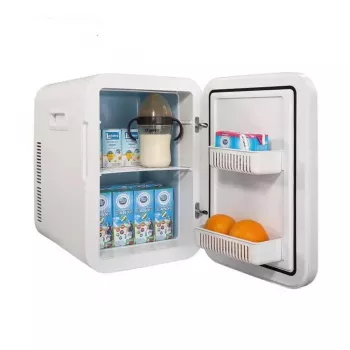
Spotlight: 20L Portable Mini Fridge
For best results, pre-chill before departure, keep ventilation clear, and place it on a stable surface to reduce rattling and improve efficiency. For current pricing and included accessories, see the 20L Portable Mini Fridge.
| Item | Details |
|---|---|
| Product | 20L Portable Mini Fridge |
| Price | 164.51 USD |
| Availability | In stock |
Helpful Add-Ons for Travel and Storage
A few practical extras can make portable refrigeration easier to live with—especially if you’re packing and unpacking often. For chilly mornings at camp or late-night tailgates, a warm layer like the Women’s Abstract Print Loose Hoodie can be a simple comfort upgrade. And if you’re organizing dry snacks, coffee, or tea at home between trips, the Modern Glass Storage Jar with Golden Butterfly – Elegant Home Decor helps keep pantry items tidy and easy to grab.
FAQ
How long can a portable fridge run on a car battery?
It depends on the fridge’s average power draw, outside temperature, how often you open it, and how much usable capacity your vehicle battery can safely provide. A low-voltage cut-off helps prevent a no-start situation, but a dedicated power station or running the engine periodically is safer for longer stops.
Should a portable fridge be pre-cooled before a trip?
Yes. Pre-cooling the unit and loading already-chilled food and drinks helps it reach safe temperatures faster and reduces the initial power demand, especially in hot weather.
How do you keep a portable fridge efficient in hot weather?
Keep it shaded, maintain airflow around its vents, and minimize lid openings. Avoid placing warm items inside, and consider an insulation cover if one is available for your model.













Leave a comment