

AI Pet Behavior Monitoring: Track Routines & Spot Changes
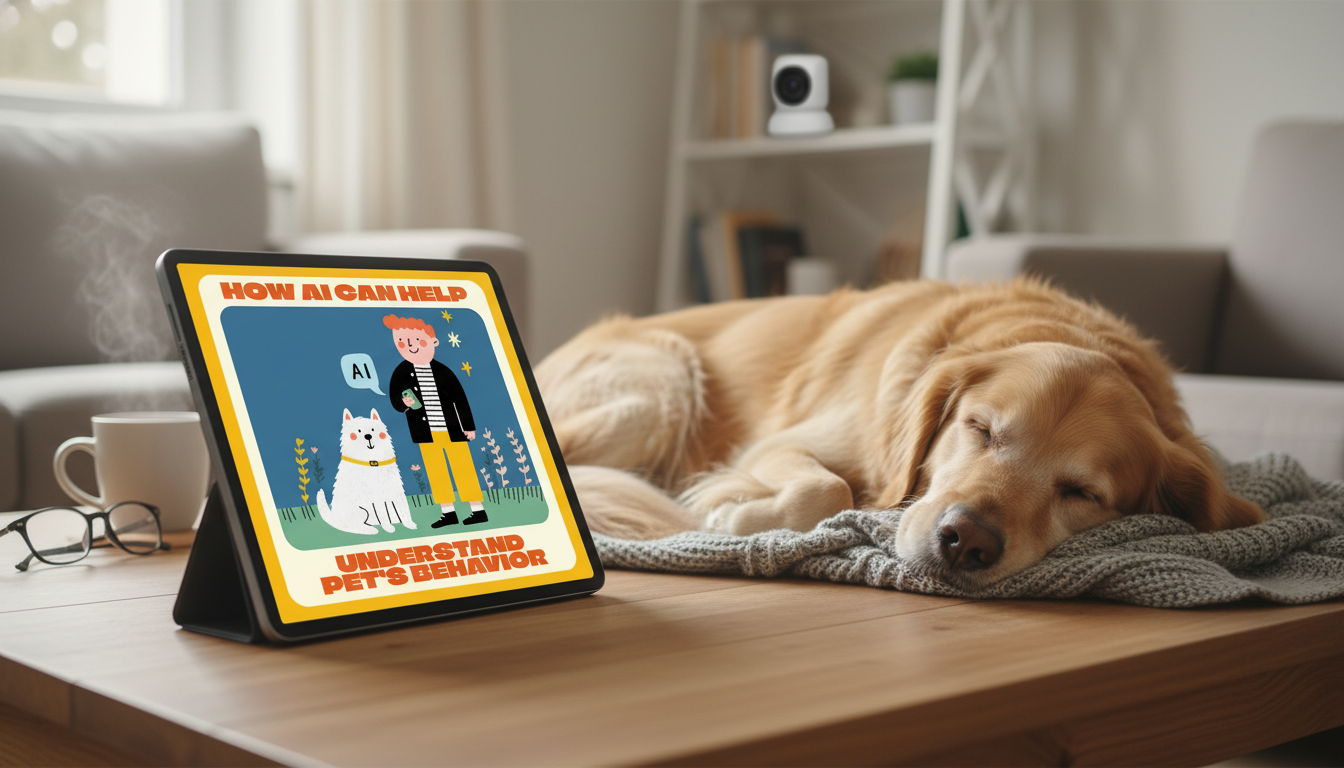
Smarter Pet Care With AI: Understanding and Monitoring Everyday Behavior
Pets communicate through patterns—movement, vocalizations, rest, appetite, and routines. AI-assisted monitoring turns those patterns into clearer signals so changes are spotted earlier, logged consistently, and shared more accurately with a veterinarian or trainer when needed.
What “behavior monitoring” really includes
Behavior monitoring isn’t just “catching something on camera.” It’s the ongoing process of understanding what’s typical for your pet, then noticing when that baseline shifts in meaningful ways.
- Baseline routine: sleep/wake cycles, typical activity peaks, preferred locations, and normal social interactions.
- Body signals: pacing, scratching, licking, posture changes, repetitive behaviors, hiding, clinginess, or avoidance.
- Sound patterns: barking frequency, whining, howling, meowing, or changes in nighttime vocalizations.
- Environment context: time of day, visitors, outdoor noises, temperature shifts, feeding schedule, and play duration.
- Health-adjacent clues: appetite or drinking changes, restlessness, reduced play, and mobility changes that may indicate discomfort.
When those pieces are tracked consistently, it becomes easier to tell the difference between a one-off “weird day” and a real shift that deserves attention.
How AI interprets pet behavior data
AI works best when it has enough repeated observations to learn what “normal” looks like in your household. Once a baseline is established, it can help surface patterns that are hard to notice when you’re busy or away.
- Pattern recognition: identifies typical daily rhythms and flags deviations that persist beyond normal variability.
- Classification: groups events such as “resting,” “active play,” “pacing,” or “vocal episode” when supported by sensor inputs.
- Trend tracking: highlights gradual changes (like activity decreasing over weeks) that can be easy to miss day to day.
- Event detection: notices spikes or unusual clusters, such as repeated nighttime wakeups or a sudden increase in scratching.
- Context layering: correlates changes with timing, household activity, or environmental inputs to reduce false alarms.
- Limitations: AI detects signals, not diagnoses; alerts should prompt observation, environment checks, and professional guidance when warranted.
For general pet care guidance and health education, resources from the American Veterinary Medical Association (AVMA) and the American Animal Hospital Association (AAHA) can help you decide when a change is worth a call to your clinic.
Common tools used for AI-assisted pet monitoring
Different tools answer different questions. Some focus on movement, some on sound, and others on routine. The simplest setup is often the most sustainable—especially if it fits your privacy comfort level.
Monitoring options and what they’re best at
| Tool type | Best for | Watch-outs |
|---|---|---|
| AI camera | Room-level activity patterns, event clips, timing of behaviors | Placement/lighting, occlusion, multi-pet mix-ups |
| Wearable tracker | Daily activity and rest trends over time | Fit/comfort, charging, may not capture context |
| Audio detection | Vocalization frequency and timing (especially when away) | Background noise can cause misreads |
| Smart sensors | Simple movement and routine tracking with lower privacy impact | Less detail; can’t show posture or interactions |
| AI-assisted journaling | Connecting triggers, diet changes, routines, and outcomes | Relies on consistent input |
Choosing a setup is easier when you pick a specific goal: nighttime rest, separation-related vocalizations, scratching patterns, or multi-pet dynamics. If the question is “Is my pet restless at 2 a.m.?” you may not need an all-day camera—an audio log plus a routine journal could be enough.
Behavior changes AI can help spot earlier
Many issues start as subtle shifts. AI doesn’t replace hands-on care, but it can help ensure small changes aren’t forgotten or explained away.
- Separation-related signs: increased pacing, door watching, or repeated vocalizations during specific time windows.
- Nighttime disruption: frequent wake-ups, roaming, or restlessness that becomes a repeating pattern.
- Stress signals: sudden hiding, less social contact, repetitive grooming, or increased startle responses.
- Mobility and discomfort hints: reduced stair use, shorter play bursts, reluctance to jump, or slower transitions from lying to standing.
- Feeding-adjacent behavior: hovering around the food area more (or avoiding it), and changes in post-meal behavior.
- Multi-pet tension: repeated avoidance patterns, resource guarding hotspots, or changes in proximity between pets.
What matters most is persistence and direction: a single odd day is usually just noise; repeated shifts across several days (or a clear week-over-week trend) are more actionable.
Turning alerts into better decisions (without overreacting)
Alerts are only helpful when they lead to calm, repeatable next steps. A practical approach reduces both missed problems and unnecessary panic.
Privacy, ethics, and household comfort
A practical starter plan for AI-assisted pet care
Helpful resources from the store
- How AI Can Help Understand and Monitor Pet’s Behavior | AI Pet Monitoring eBook | Learn About Using AI to Monitor Pet Behavior for Smarter Pet Care (a practical guide for building routines, interpreting trends, and sharing clearer summaries with professionals).
- Modern Glass Storage Jar with Golden Butterfly – Elegant Home Decor (a tidy way to keep training treats or supplements consistent while you track feeding-adjacent behaviors).
FAQ
Can AI monitoring tell if a pet is sick?
AI monitoring can flag changes in routine and behavior that sometimes correlate with illness or discomfort, but it can’t diagnose a medical condition. If changes are sudden, severe, or persist for several days, contact a veterinarian for guidance.
Is a camera necessary to monitor pet behavior with AI?
No—many insights come from wearables, audio detection, smart home sensors, or structured journaling. The best choice depends on what you’re tracking (like nighttime rest versus vocalizations) and your household’s privacy preferences.
How long does it take to get useful insights from behavior data?
A baseline typically takes about 1–2 weeks, and trend quality improves as more days are collected. Some patterns, like sudden vocalization spikes or repeated nighttime wakeups, can show up sooner.













Leave a comment