

4-Temp Hot Water Dispenser: 3L Stainless Boiler Guide
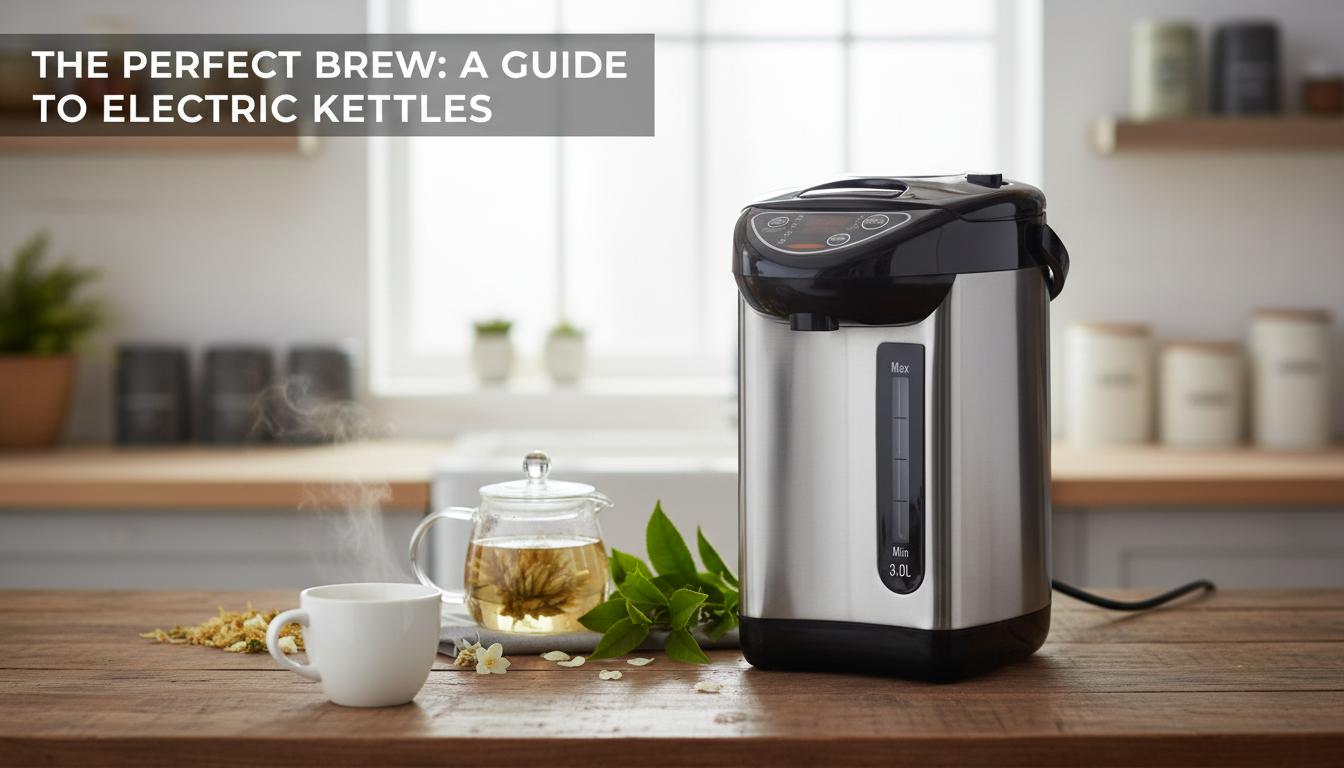
Hot Water on Demand: Why Temperature Presets and a Stainless Steel Boiler Matter
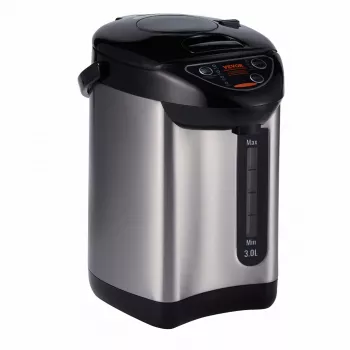
A countertop hot water dispenser can streamline tea, coffee, instant meals, and baby bottle prep by keeping hot water ready and dispensing it on demand. The most noticeable difference between basic models and more capable units comes down to two things: temperature control and the material doing the heating. A 3L stainless steel boiler paired with four selectable temperatures supports better flavor, fewer wait times, and easier everyday routines—especially in busy kitchens, offices, dorms, and break rooms.
What a temperature-select hot water dispenser does
Instead of waiting for a kettle to boil each time, a dispenser keeps a reservoir of heated water available so you can pour a cup quickly and move on. Temperature presets help match water heat to what you’re making—lower for delicate teas, higher for coffee and instant foods—so results are more consistent from cup to cup. Because dispensing is controlled (often via a button or lever), it can feel cleaner than lifting and pouring a full kettle, which reduces sloshes and drips on crowded counters. With a 3L capacity, the unit is built for repeat use throughout the day without constant refills.
Four temperature settings: when each one is useful
Water temperature changes how ingredients extract, dissolve, and taste. Lower-temperature options can help reduce scald risk and avoid over-extracting teas that turn sharp or bitter. Mid-range heat is ideal for “hot, not boiling” tasks like cocoa, oatmeal, or warming beverages. The highest setting is best when heat is doing the work—hydrating noodles, reconstituting soups, and handling quick rinse tasks—while also demanding extra care around steam and splashes.
Common uses by temperature range
| Temperature range | Best for | Notes for results |
|---|---|---|
| ~160–175°F (70–80°C) | Green tea, delicate herbal infusions | Helps reduce bitterness and preserves aroma |
| ~185–195°F (85–90°C) | Oolong, hot cocoa, warm beverages | Good balance for flavor without harshness |
| ~200–205°F (93–96°C) | Most coffee, black tea | Supports better extraction and fuller taste |
| ~208–212°F (98–100°C) | Instant noodles, soups, sterilizing rinse | Hottest option; use extra care to prevent burns |
Why a stainless steel boiler matters
The boiler is where performance and long-term satisfaction tend to show up. Stainless steel is valued for durability and heat tolerance—useful for appliances that repeatedly heat and hold hot water over months and years. It can also reduce the amount of near-boiling water that comes into contact with plastic compared with designs that rely heavily on plastic-lined heating zones. Many owners find stainless interiors simpler to wipe and descale because the surfaces are less prone to retaining odors, though results still depend on the specific internal design and how regularly the unit is maintained.
Another practical perk: stainless steel pairs well with routine descaling. Mineral scale acts like insulation, making heating less efficient and sometimes nudging taste toward “flat” or slightly metallic. Keeping the boiler clean helps the dispenser reach and hold its target presets more reliably.
3L capacity: how it fits real routines
Safety features and habits that make a difference
Wipe up splashes promptly to reduce slipping hazards and protect the electrical base. Never immerse the appliance body in water; clean with a damp cloth instead. For broader burn-prevention guidance—especially in homes with kids—review practical tips from the CDC on preventing scald burns.
Daily use: setup, dispensing, and getting consistent taste
- Use filtered water when needed: If tap water tastes chlorinated or is hard, filtration can improve flavor and slow mineral buildup. Water hardness varies widely by region; the USGS overview of water hardness explains why scale forms and how it affects appliances.
- Match the preset to the drink: Using hotter-than-needed water can mute delicate aromas and increase bitterness in some teas; using too-cool water can leave coffee tasting thin or under-extracted.
- Plan for refills: Topping off with cold water temporarily lowers the reservoir temperature. If you’re serving multiple hot drinks quickly, refill earlier so the dispenser has time to recover back to the chosen setting.
Cleaning and descaling for performance and longevity
Use manufacturer-approved methods; many appliances allow a citric-acid solution followed by thorough rinsing until no taste remains. Keep exterior surfaces clean with mild soap and a damp cloth, and avoid getting vents or control panels wet. If the water begins to taste “off” or dispensing slows, increase descaling frequency and consider filtration. For material and safety standards often referenced in drinking-water components, see NSF/ANSI 372.
Who this dispenser tends to suit best
Simple add-ons that complement a hot water routine
- Modern Glass Storage Jar with Golden Butterfly – Elegant Home Decor (a neat option for tea sachets, instant coffee, and sweeteners)
- Women’s Abstract Print Loose Hoodie (a cozy layer for early mornings and late-night tea)
FAQ
Is near-boiling water safe to dispense every day?
Yes, it can be safe with proper use, but near-boiling water carries a real burn risk. Keep the dispenser stable and away from edges, use handled cups, and enable any child-lock feature when kids are nearby.
How often should a stainless steel boiler be descaled?
It depends on water hardness and usage—anywhere from every few weeks in hard-water areas to every few months with softer water and lighter use. If heating slows, flow decreases, or taste changes, it’s a good sign descaling is due.
Does temperature selection change the taste of tea and coffee?
Yes. Lower temperatures can reduce bitterness and preserve aroma in delicate teas, while hotter settings typically improve coffee extraction and body. Using the closest preset for each drink helps make results more consistent.










Leave a comment