

5-Pair Baby & Toddler Socks: Soft, Stay-Put Comfort
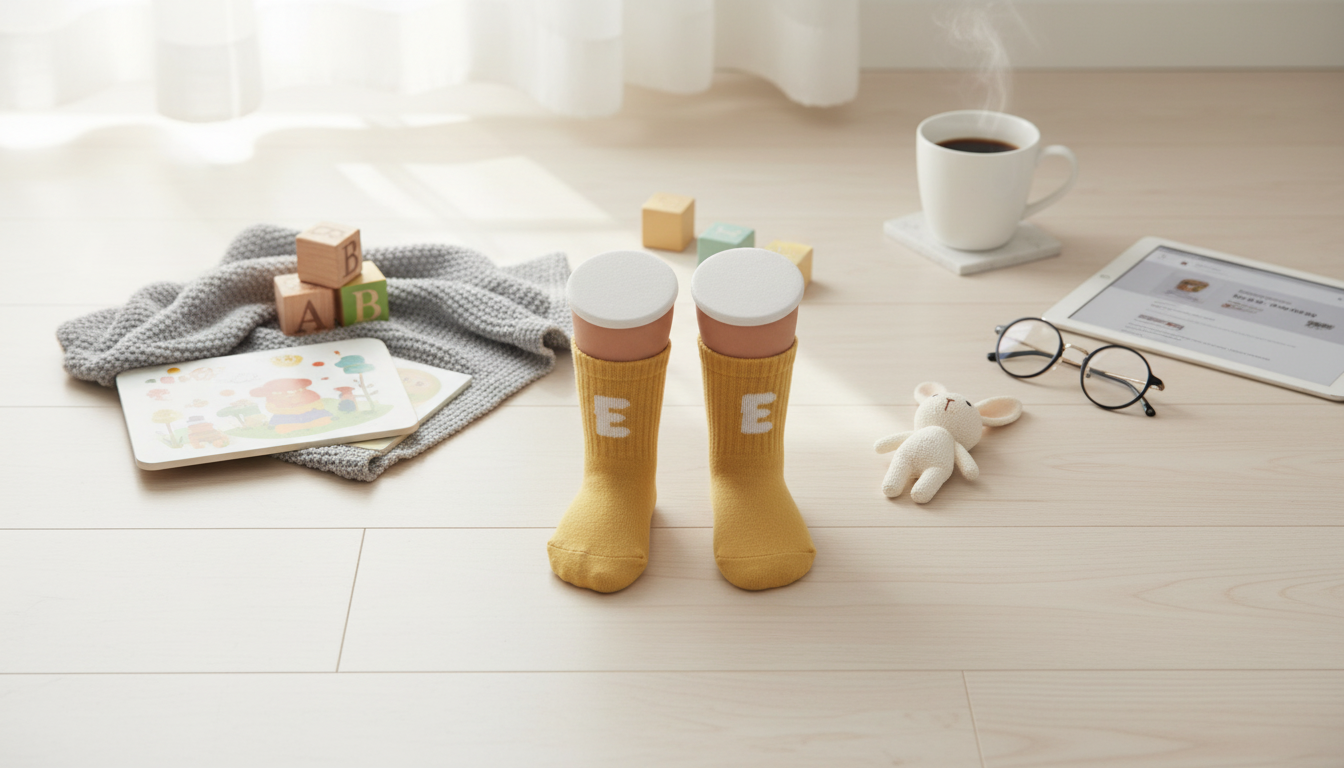
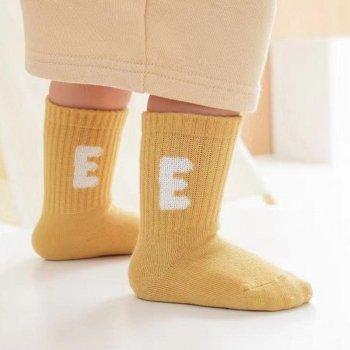
5 Pairs Baby & Toddler Socks for Everyday Comfort
A reliable sock drawer starts with soft fabric, a stay-put fit, and easy rotation through wash days. A five-pack helps keep little feet covered at daycare, playtime, and outings—without constantly running out of clean pairs.
What makes a great sock for babies and toddlers
- Gentle stretch: A comfortable cuff should hug the ankle without leaving deep, persistent marks.
- Breathable softness: A soft knit helps manage warmth and can reduce sweaty feet during busy days.
- Toe comfort: Smooth, well-finished toe seams help minimize irritation for sensitive skin.
- Stay-put fit: Socks should hold on through crawling, cruising, and running—without twisting into pressure points.
- Easy pairing: Simple colors or coordinated patterns make matching faster after laundry.
For everyday wear, comfort is closely tied to temperature control. If a child seems unusually warm or sweaty, adjust layers and consider lighter socks—especially for infants who can’t regulate body temperature as efficiently. For general clothing guidance, see HealthyChildren.org (American Academy of Pediatrics) — Dressing Baby. If you’re unsure whether a rash is heat-related, the Cleveland Clinic overview of heat rash is a helpful reference for common signs.
Highlights of the 5-pair pack
- Five pairs in one set: A quick weekly rotation that reduces last-minute washing.
- Built for growing, active feet: Useful for babies who kick off socks and toddlers who don’t slow down.
- Convenient extras: Great for daycare cubbies, diaper bags, travel, and “just in case” backups.
- Budget-friendly stocking up: Keeps spare pairs on hand for messy days, puddles, and surprise outfit changes.
- Easy gifting: A practical add-on for baby showers, registries, or a new sibling essentials bundle.
If you’re ready to restock the basics, 5 Pairs Baby & Toddler Socks are an easy, low-fuss way to keep everyday outfits comfortable and complete.
Sizing and fit: getting it right the first time
- Measure foot length: Check from heel to longest toe with the child standing (as best as possible for toddlers).
- Think about the season: If between sizes, decide whether you want room for thicker-season wear or a snug fit for warm weather.
- Check ankle elasticity: Light marks that fade quickly can be normal; deep lines that linger suggest the cuff is too tight.
- Watch for toe crowding: If fabric pulls tight at the toe or the heel slips off easily, sizing may be off.
- Re-check often: Growth spurts can make socks feel tight sooner than expected.
Quick sizing checkpoints
| Checkpoint | What to look for | Adjustment |
|---|---|---|
| Toe space | Sock reaches the toe without stretching tight | Size up if fabric feels strained at the toe |
| Heel alignment | Heel sits near the child’s heel (not under the arch) | Size up if heel rides forward |
| Ankle comfort | Holds in place without deep lines | Choose gentler elastic or size up if marks persist |
| Slip resistance need | Extra traction can help on smooth floors | Use grippy footwear or add slippers if socks are slick |
Materials and skin comfort considerations
- Breathability matters: Drier feet can mean less rubbing and less odor by the end of the day.
- Smooth toe area: A comfortable toe finish supports longer wear, especially for kids who dislike “scratchy” seams.
- Softer knits for infants: Babies who spend more time lying down or being carried often do best with gentle, cozy fabric.
- Thickness by season: Slightly thicker knits can feel better on cool floors, while thinner knits can be more comfortable in warm weather.
- Skin sensitivity support: If irritation is common, prioritize gentle washing and avoid harsh detergents or heavy fabric additives.
Safety and everyday practicality
- Prevent twisting: Socks should be snug enough that they don’t rotate around the foot and create pressure points.
- Inspect after washing: Retire pairs that feel rough, overly stretched, or tight at the cuff.
- Match socks to the activity: Socks alone are best for clean indoor spaces; use proper shoes for outdoor play.
- Support new walkers: On slick floors, consider traction solutions (grippy socks, slippers, or appropriate footwear).
- Watch for overheating: If you notice warm feet, sweating, or fussiness, remove socks and adjust clothing as needed.
Care tips to help socks last longer
When a 5-pair set is the right choice
Product at a glance
| Detail | Value |
|---|---|
| Product | 5 Pairs Baby & Toddler Socks |
| Price | 3.67 USD |
| Availability | In stock |
| Pack size | 5 pairs |
In stock now: 5 Pairs Baby & Toddler Socks
More in-stock finds
- Modern Glass Storage Jar with Golden Butterfly – Elegant Home Decor (handy for organizing small essentials)
- Women’s Abstract Print Loose Hoodie (a cozy layer for busy errands and drop-offs)
- Ultrasonic Skin Scrubber Deep Face Cleaning Machine (a self-care option for at-home routines)
FAQ
How many pairs of socks does a baby or toddler need?
Many families do well with 10–20 pairs, depending on laundry frequency, daycare needs, and weather changes. A 5-pair set covers a typical week of wear with fewer emergency washes, especially when you keep one or two backup pairs in a diaper bag or car.
How should socks fit a toddler learning to walk?
Socks should feel snug but not tight, with the heel sitting in the right place and no bunching around the toes or arch. If your floors are slippery, add traction (like grippy socks or slippers) so your toddler can practice walking more confidently.
How can socks be washed to keep them soft and stretchy?
Wash on a gentle cycle with mild detergent, turn socks inside out, and avoid high heat drying to protect the elastic. If cuffs start to feel loose or the fabric turns rough after repeated washes, it’s a good time to replace those pairs.












Leave a comment