

Fun Learning Checklist: Make Study Sessions More Exciting
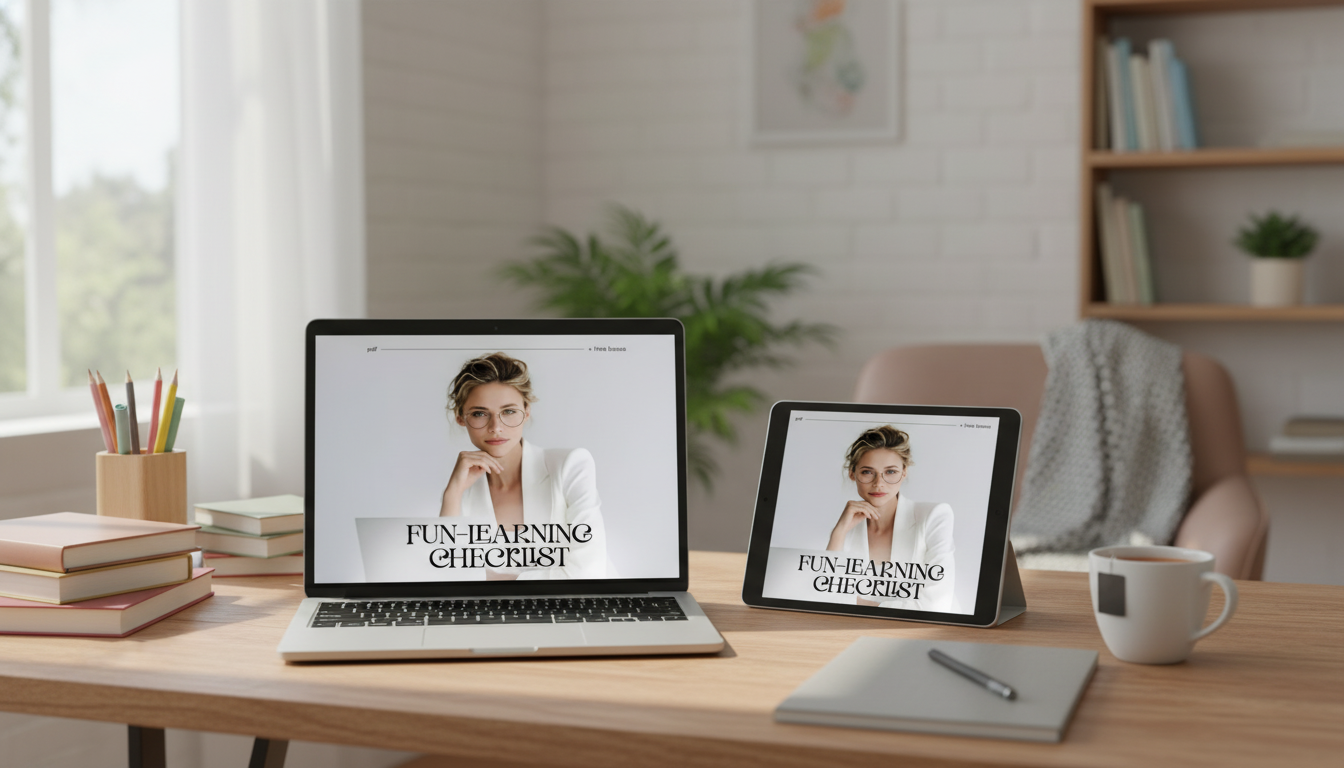
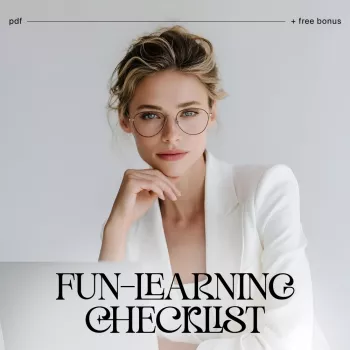
Fun-Learning Checklist: Turn Study Time Into Something to Look Forward To
When studying feels like a grind, it’s usually not the subject—it’s the session setup. A simple checklist can turn “I should study” into “I’m ready to start” by removing friction, adding variety, and rewarding progress. This Fun-Learning Checklist is a printable/digital tool designed for students and lifelong learners who want a more enjoyable routine without sacrificing results. Use it to plan a focused session, add playful learning options, and finish with a clear sense of accomplishment.
What the Fun-Learning Checklist Helps With
- Turns vague goals (“study chemistry”) into clear actions (review, practice, quiz, summarize).
- Builds momentum with quick-start steps that reduce procrastination.
- Encourages variety so learning stays interesting across long semesters or multi-week projects.
- Balances focus and energy by mixing deep work with short, refreshing breaks.
- Creates a repeatable routine that still feels flexible and personal.
Instead of relying on willpower, you’ll have a simple flow: set up, do one meaningful learning action, prove you did it, then wrap up with a next step. That “proof” matters—especially when results take time to show up.
Who It’s For (and When It Works Best)
- Students: homework, test prep, reading assignments, writing papers, language study.
- Lifelong learners: online courses, certifications, skill-building (coding, design, music theory).
- Busy schedules: short study windows that need structure (20–45 minutes) or longer blocks (60–120 minutes).
- Low-motivation days: when starting is the hardest part and confidence needs a quick win.
- High-pressure weeks: when planning, prioritizing, and finishing strong matter most.
This approach also works well when you’re juggling multiple subjects. The checklist keeps you from overthinking the “perfect plan” and helps you commit to one finishable target per session.
What’s Included in the Digital Download
- Printable checklist format that can be used on paper or filled digitally (depending on preferred workflow).
- Session prompts that cover: preparation, focus cues, learning activities, review, and wrap-up.
- Motivation and productivity structure designed to make progress visible—especially helpful when results feel slow.
- A simple, repeatable flow that supports consistent study habits without over-planning.
If you want a ready-to-use page that makes it easier to start (and easier to stop at a good point), the Fun-Learning Checklist to Make Every Study Session Exciting (Digital Download) is built for exactly that.
How to Use the Checklist for an Exciting Study Session
Use these steps to turn a random “study sometime” plan into a session you can actually begin—and finish.
Step 1: Pick a “small win” goal
Step 2: Set the environment quickly
Step 3: Choose 1–2 active learning actions
Prioritize activities that force recall. Research on retrieval practice shows that actively pulling information from memory (like self-quizzing) strengthens learning more than re-reading alone (APA: Practice Testing (Retrieval Practice) Improves Learning).
Step 4: Add a fun element (without losing effectiveness)
Fun doesn’t mean fluffy. It means making the session feel lighter: a timer challenge, a quick score tally, color-coding, or a mini-reward after completion. If you like time-boxing, the Pomodoro method can be a clean way to commit to a short sprint (Pomodoro Technique).
Step 5: End with a fast review + next-step note
Example menu of “fun” study actions
| Goal type | Fun option | Still effective because… |
|---|---|---|
| Memorize terms | Flashcard sprint (10 minutes) + score tally | Uses retrieval practice and immediate feedback |
| Understand a concept | Teach it in 60 seconds (voice note or notes) | Forces clarity and reveals gaps |
| Prepare for a test | Practice-question ladder (easy → hard) | Builds confidence and accuracy |
| Read a chapter | Highlight + “3-sentence summary” after each section | Improves comprehension and recall |
| Write an essay | Outline race (5–8 minutes) + break | Reduces overwhelm and starts momentum |
A Simple Weekly Routine Using the Checklist
If you’re studying over several weeks, spacing your practice beats cramming. Distributing study sessions over time can improve retention and reduce the “I forgot everything” feeling (APA: Spacing Effect (Distributed Practice) and Learning).
Common Sticking Points (and Quick Fixes)
Study-Session Comfort and Setup Picks (Optional, But Helpful)
- Fun-Learning Checklist to Make Every Study Session Exciting | Digital Download for Students & Lifelong Learners | Learn how to make learning feel fun again | Printable Motivation and Productivity Tool (a simple structure you can reuse all semester)
- Modern Glass Storage Jar with Golden Butterfly – Elegant Home Decor (a tidy place for pens, sticky notes, or flashcards so setup takes seconds)
- Women’s Abstract Print Loose Hoodie (a comfortable layer for long reading blocks or late-night review)
Get the Fun-Learning Checklist (Digital Download)
- Printable motivation and productivity tool designed to make study sessions feel more engaging while keeping structure.
- Useful for school, self-study, and skill-building projects—especially when consistency is the goal.
- Product page: Fun-Learning Checklist to Make Every Study Session Exciting (Digital Download).
FAQ
Does this work for any subject, or only for traditional studying?
It works for most subjects and skill areas because it focuses on session structure: choose a goal, do an active learning action, and end with a quick review. You can adapt it for math (practice sets), languages (flashcards + speaking drills), test prep (timed questions), and creative skills (short focused drills and checkpoints).
Is it better to print it or use it digitally?
Printing is great if you like a tactile routine and want the checklist visible on your desk. Digital use is ideal for reusing the file, studying on the go, or filling it out on a tablet—either way works as long as it’s easy to access when it’s time to start.
How long should one checklist-based study session be?
For quick wins, aim for 20–45 minutes; for deeper work, 60–90 minutes is a solid range. No matter the length, finish with a short wrap-up note so the next session starts faster.













Leave a comment