

Cold Laser Therapy Device with LED Display for Home Relief
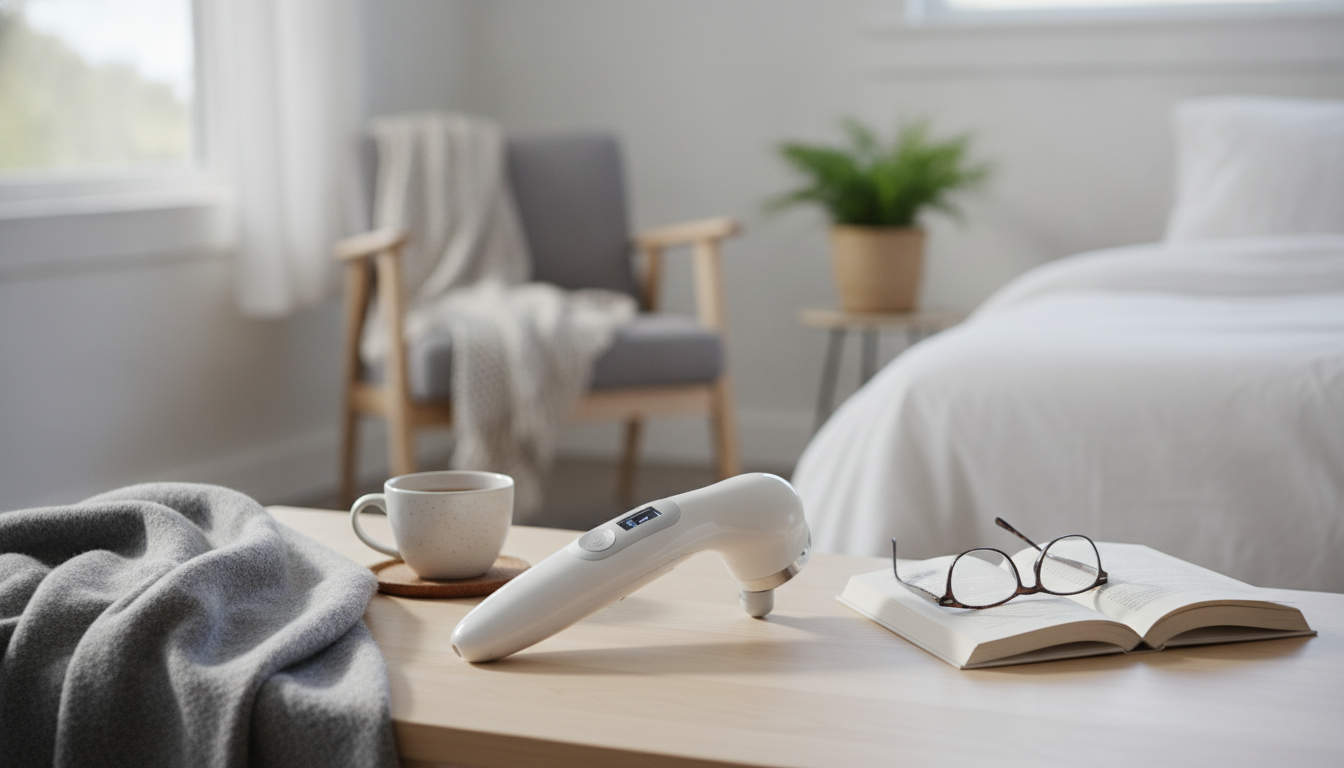
Handheld Cold Laser Therapy Device with LED Display: Targeted Relief at Home
Cold laser therapy (also called low-level laser therapy) is a noninvasive option used to support comfort in sore muscles and joints. A handheld device with an LED display makes sessions easier to time and adjust, helping keep treatment consistent. Below is a practical guide to what this type of device does, who it may help, and how to use it safely for everyday pain-management routines. For more guidance, see Therapeutic efficacy and safety of home-based portable laser ….
What Cold Laser Therapy Is and What It’s Used For
Cold laser therapy refers to low-intensity light applied to soft tissue to support comfort and recovery without heat or skin damage. Unlike “hot” modalities, the goal isn’t to warm the area—it’s to deliver light energy at settings intended for gentle, supportive use. For further reading, see Anyone tried using red light therapy? | Mayo Clinic Connect.
Common home use cases include muscle soreness, minor joint discomfort, tendon and ligament irritation from repetitive activity, and post-workout recovery support. People typically look for outcomes such as reduced tenderness, improved mobility, and easier daily movement when the device is used consistently.
As with most at-home modalities, results vary by the condition, the size and location of the treatment area, session frequency, and individual response. If pain is persistent or worsening, it’s smart to pair home care with professional guidance. For general guidance on symptoms that warrant evaluation, see MedlinePlus’ overview of low back pain and when to seek care: https://medlineplus.gov/lowbackpain.html.
Why an LED Display Matters for Home Sessions
A handheld cold laser can be straightforward, but home routines often fail for one simple reason: inconsistency. An LED display can remove the guesswork that leads to under-treating one day and overdoing it the next.
With a display, you can clearly track minutes per area, switch between modes more confidently, and repeat the same settings over time. It also helps if a partner or caregiver is assisting—everyone can follow the same timing and routine.
| Need | How an LED display helps | Practical example |
|---|---|---|
| Sticking to a routine | Shows timing/remaining session time | Treat shoulder for the same duration daily |
| Avoiding overuse | Encourages consistent exposure per area | Prevents doubling time on tender spots |
| Using multiple areas | Supports step-by-step treatment flow | Back, then knee, then wrist in one session |
| Sharing the device | Makes settings easier to replicate | Family members follow the same guidance |
Highlights of the Handheld Cold Laser Therapy Device
Handheld devices are designed for targeted application—helpful for smaller or hard-to-reach areas like knees, elbows, wrists, neck, shoulders, and the lower back. The compact shape supports spot-by-spot work, which can be especially useful if discomfort is localized rather than widespread.
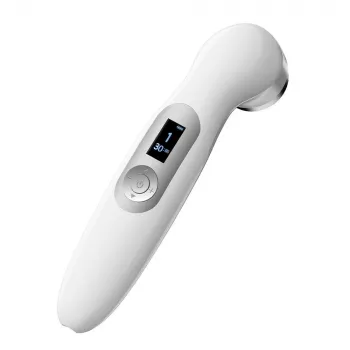
An LED display adds session control and simplifies setting selection, which matters when you’re treating multiple zones or following a consistent weekly plan. Because the device is portable, it can fit into a home routine, a desk drawer at work, or a gym bag for post-workout recovery support.
If you’re looking for an at-home option that prioritizes simple controls and repeatable sessions, consider the Handheld Cold Laser Therapy Device for Pain Relief with LED Display. For a complementary “whole routine” approach (stress and decision fatigue can amplify perceived discomfort), a simple planning tool like The Clear-Mind Decision Maker | Printable Mindfulness Checklist for Clarity & Calm Choices can help keep habits steady when motivation dips.
How to Use It: A Simple Routine for Common Pain Points
Start with the product instructions and stay within the recommended treatment duration and technique. As a general routine structure, many people do best with short, repeatable sessions rather than occasional long treatments.
Step-by-step routine
| Area | Approach | Consistency tip |
|---|---|---|
| Neck/upper shoulder | Treat small zones along the tight band | Use after desk work or before stretching |
| Knee | Treat around (not directly on) the kneecap area as comfortable | Pair with gentle range-of-motion work |
| Wrist/forearm | Treat along the sore tendon line | Avoid aggressive gripping right after session |
| Lower back | Split into left/right zones | Combine with short walks and mobility drills |
Who It May Help Most (and When to Seek Clinical Advice)
Consider clinician input if pain lasts more than a few weeks, or if you have numbness/tingling, unexplained swelling, fever, or pain following a significant injury. If pregnancy, cancer treatment, implanted medical devices, or light sensitivity conditions apply, consult a clinician before using light-based therapy. For a high-level overview of low-level laser therapy, Cleveland Clinic provides a helpful introduction: https://my.clevelandclinic.org/health/treatments/low-level-laser-therapy.
Safety Notes and Smart Habits
For general laser safety context and guidance, the U.S. FDA’s laser products information is a reliable reference: https://www.fda.gov/radiation-emitting-products/medical-imaging/laser-products-and-instruments.
Integrating Cold Laser into a Pain-Relief Plan
FAQ
Does cold laser therapy hurt or feel warm?
Cold laser therapy is generally painless and shouldn’t create significant heat. Sensations vary by person and area; if you feel discomfort, stop and follow the manufacturer’s guidance.
How often can a handheld cold laser therapy device be used?
Many routines range from several times per week to daily use, depending on the device instructions and personal sensitivity. Start conservatively and adjust based on how you respond or what a clinician recommends.
How long does it take to notice results?
Some people notice changes after a few sessions, while others need 2–4 weeks of consistent use. Timing depends on the condition, severity, treatment consistency, and whether you’re also addressing movement, workload, and recovery habits.











Leave a comment