

Silicone Toilet Brushes: Hygiene, Pros, and Limits
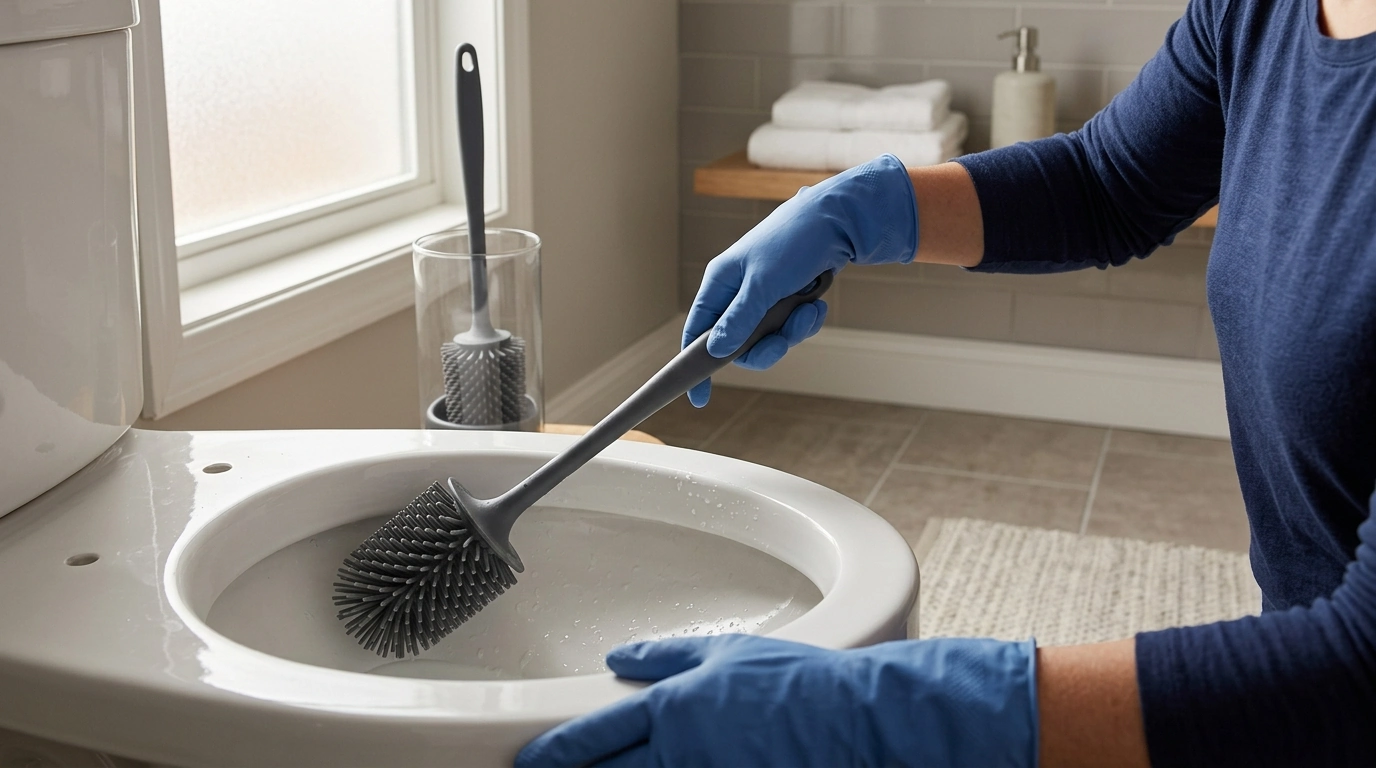
Are silicone brushes good for cleaning a toilet?
Yes—silicone toilet brushes are a strong choice for everyday toilet cleaning because they’re designed to stay more hygienic, shed less water, and resist gunk buildup better than many traditional bristle brushes. Our team recommends them for busy bathrooms where you want a tool that rinses quickly, dries faster, and doesn’t hold onto odors as easily.
Why silicone toilet brushes work well
They rinse cleaner and trap less debris
Silicone heads tend to release residue with a quick swish in clean water, so you’re not constantly picking hair or paper out of the brush. That “non-stick” feel makes routine maintenance simpler, especially if you clean frequently.
They’re often more hygienic between uses
Because silicone doesn’t behave like a dense bristle cluster, it typically holds less dirty water. Less retained moisture helps reduce drips and lingering smells around the holder.
They’re gentle on many surfaces
A silicone brush can be effective while still being less scratch-prone than stiff bristles on many toilet bowl finishes. Use normal pressure and let your cleaner do the heavy lifting for the best results.
When a silicone brush may not be enough
If you’re tackling heavy mineral scale (hard water rings) or long-neglected buildup, silicone can take more passes than a very stiff bristle brush or a pumice-style tool. A practical approach is to use a descaling toilet cleaner first, allow dwell time, then scrub; silicone brushes perform best when buildup is softened.
Choosing and using one the right way
Look for a brush with flexible edges that can reach under the rim and along the curve of the trapway. After cleaning, rinse thoroughly, shake off excess water, and store it in a ventilated holder so it dries quickly. If you prefer a cleaner footprint and easier storage, a wall-mounted holder can keep the brush off the floor and out of splash zones.
For a deeper walkthrough on brush design and storage tips, see our guide here: https://hovira.com/guide-whale-silicone-toilet-brush-wall-mount-holder/.
FAQ
How often should you replace a toilet brush?
Replace it when the head is visibly worn, warped, or holding residue you can’t rinse away—often every 6–12 months in a regularly used bathroom. If there’s persistent odor or damage, swap it sooner.













Leave a comment