

Minimalist High-Back Wood Bar Stools: Sizing & Comfort
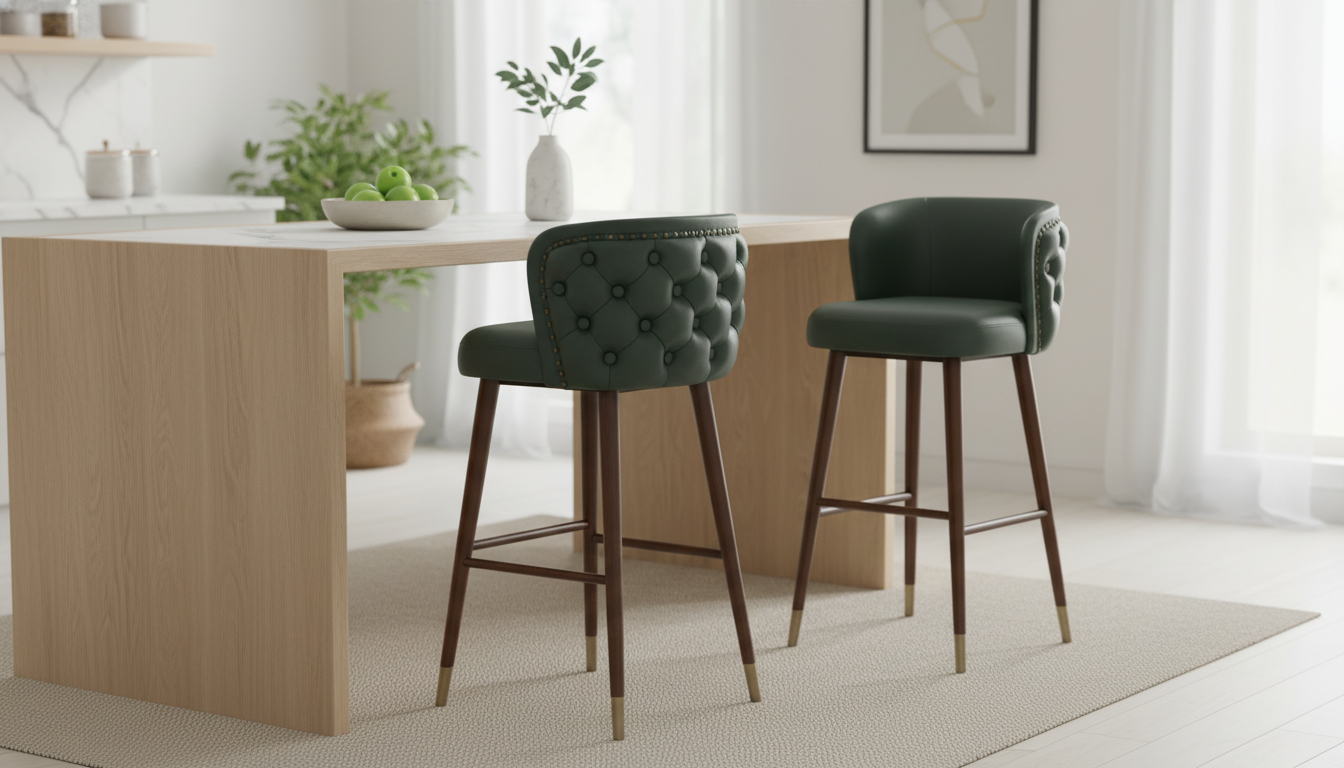
Modern Minimalist High-Back Wood Bar Stool
A high-back wood bar stool can add comfort and structure to a kitchen island or home bar without visually crowding the room. Clean lines, warm wood tones, and a supportive backrest make this style a practical choice for everyday seating in modern spaces.
What Sets a Modern Minimalist High-Back Wood Bar Stool Apart
Minimalist high-back stools are designed to feel substantial without looking heavy. They blend support and simplicity, which is especially helpful in open-plan kitchens where seating is always on display.
- High-back support: Better for longer meals and casual work sessions than backless stools, which can encourage slouching over time.
- Clean silhouettes: Slim profiles and uncluttered lines help keep sightlines open, making small kitchens and airy layouts feel less busy.
- Wood warmth: Wood introduces texture and softness that balances common modern finishes like quartz, stainless steel, and flat-panel cabinetry.
- Style versatility: These stools naturally complement Scandinavian, Japandi, and contemporary interiors where calm materials and intentional details matter.
Key Details to Look For Before Buying
Two stools can look similar online but feel very different at the counter. Before choosing, focus on fit, support, and durability—details that impact daily comfort and long-term satisfaction.
- Seat height: Confirm whether you need counter-height or bar-height seating so knees and thighs have enough room under the top.
- Backrest shape: A slightly curved back that meets around the mid-back/shoulder-blade area often feels supportive without pushing you forward.
- Footrest placement: A well-positioned footrest reduces leg fatigue and helps keep posture relaxed during longer sits.
- Stability features: Look for sensible leg angles, cross-bracing, and adjustable leveler feet if your floors aren’t perfectly flat.
- Finish durability: Kitchens are tough environments—choose finishes that stand up to moisture, heat near cooking zones, and frequent wiping.
- Weight capacity and footprint: A sturdy build matters, but so does the space the stool occupies when pushed in and pulled out.
For households that value performance standards, some seating is tested to industry guidelines such as those published by BIFMA (Business and Institutional Furniture Manufacturers Association).
Sizing Guide: Getting the Height and Spacing Right
Great-looking stools can still feel “off” if the proportions aren’t right. Focus on two numbers: vertical clearance (seat to countertop underside) and horizontal spacing (elbow room).
- Seat-to-top clearance: Aim for about 10–12 inches between the seat and the underside of the counter or bar top.
- Spacing per stool: Plan 24–30 inches of width per stool to reduce shoulder and elbow bumping.
- Walkway clearance: If there’s a path behind the seating, leave enough room for a stool to slide out without blocking traffic.
- When space is tight: Consider arm-free designs; a high back can still offer support without widening the profile.
Quick Sizing Reference for Stools
| Use Case | Typical Counter/Bar Height | Typical Stool Seat Height | Recommended Seat-to-Top Clearance |
|---|---|---|---|
| Kitchen counter | 34–36 in | 24–26 in | 10–12 in |
| Bar-height surface | 40–42 in | 28–30 in | 10–12 in |
| Extra-tall bar (variable) | 44+ in | 30–34 in (measure carefully) | 10–12 in |
Kitchen layout guidance from organizations like the National Kitchen & Bath Association (NKBA) can be a helpful reference point when planning clearances around seating and walkways.
Materials and Finish Choices That Fit Minimalist Homes
Minimalist interiors tend to highlight materials—meaning the wood species, grain character, and sheen level become part of the “design.” Choosing intentionally helps the stool look calm and cohesive rather than attention-seeking.
- Solid vs engineered wood: Solid wood often feels warmer and can sometimes be refinished; engineered wood can offer consistent color, stability, and cost control.
- Matte or satin finishes: These usually hide fingerprints and small scuffs better than high-gloss surfaces, which can read flashy in minimalist spaces.
- Color direction: Lighter woods can brighten compact kitchens; mid-tones soften stark white cabinetry; darker woods add contrast and grounding.
- Undertone matching: With stone or quartz, pay attention to warm vs cool undertones so the wood doesn’t look unexpectedly yellow or gray under your lighting.
For deeper material context—like how wood reacts to moisture and temperature—the USDA Forest Products Laboratory Wood Handbook is a thorough, science-backed resource.
Comfort and Ergonomics for Everyday Use
A high back is only “comfortable” when the whole stool works together: backrest angle, seat shape, and foot support. These details are easy to overlook but quickly noticeable in daily use.
- Supportive curve: A gentle backrest curve supports the mid-back without forcing an overly upright, rigid posture.
- Seat contour: A slightly contoured seat can feel more comfortable for lingering breakfasts, homework time, or remote work at the island.
- Footrest height: Ideally, it allows knees to rest in a relaxed position rather than leaving legs to dangle.
- Cushions (if included): Look for secure attachment and easy-clean fabrics; if a stool is unupholstered, a thin removable pad can add comfort without changing the minimalist look.
How to Choose the Right Stool for the Space
Care and Maintenance for Wood Bar Stools
FAQ
What seat height works best for a kitchen island?
Measure the island height and choose a stool that leaves about 10–12 inches between the seat and the underside of the countertop. For most 34–36 inch counters, that typically means a 24–26 inch seat height.
Are high-back bar stools comfortable for long sitting sessions?
They can be, especially when the backrest has a gentle curve, the seat has light contouring, and the footrest lets legs rest naturally. Compared with backless stools, a supportive high back helps reduce fatigue during longer meals or work-at-the-island time.
How many bar stools should fit along a counter without feeling crowded?
Plan roughly 24–30 inches of counter width per stool so arms and shoulders have room. If the stools are wider, have high backs, or swivel, lean toward the larger end of that range.












Leave a comment