

Soft Swirl Rugs: Sizing, Pile & Styling for Rooms
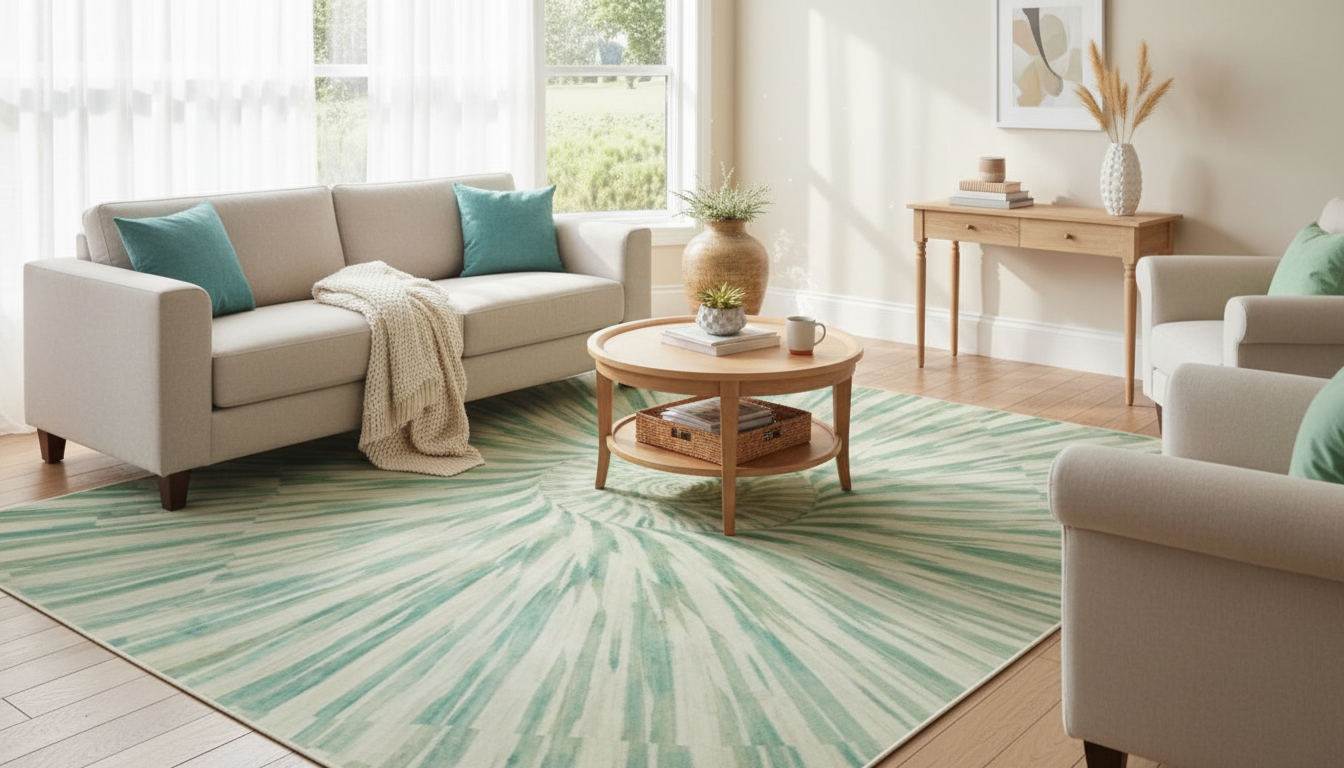
A soft swirl rug adds warmth underfoot while bringing motion and depth to a room’s layout. With the right size, pile height, and materials, it can anchor seating in the living room, soften bedside landings in the bedroom, and help reduce echo in open spaces—without feeling high-maintenance.
How to Choose a Soft Swirl Rug
Start with placement and daily use. A living room rug usually needs to handle more foot traffic and furniture movement, while a bedroom rug is often chosen for comfort the moment your feet hit the floor. From there, narrow your options by size, pile height, and color contrast so the swirl pattern looks intentional instead of overwhelming.
- Define the job: zoning a seating area, cushioning beside the bed, or reducing noise in an open plan.
- Pick a pile that fits the space: medium pile for versatility; plush for cozy corners; lower pile under coffee tables and doors.
- Choose a practical palette: a calm base with swirls that tie to existing accents (pillows, throws, wall art) tends to look cohesive.
- Plan for maintenance: if vacuuming needs to be quick and frequent, avoid extremely long fibers and prioritize density over extra height.
- Add stability: a rug pad improves grip and comfort and helps the rug wear more evenly over time.
What a Swirl Pattern Adds to a Room
- Creates a sense of flow that can soften boxy furniture lines and sharp corners.
- Helps disguise light, everyday dust and minor footprint patterns between cleanings.
- Pairs well with solid-color sofas, simple bedding, and minimal wall decor.
- Can visually connect multiple accent colors by repeating them in curved shapes.
Swirl designs are especially helpful in rooms that feel static. The curves subtly guide the eye across the floor, which can make a small living room feel less “boxed in” and a long bedroom feel more balanced.
How to Choose the Right Size and Placement
- Living room: place front legs of the sofa and chairs on the rug for a unified seating zone; leave a consistent border to the walls for balance.
- Bedroom: aim for generous coverage where feet land when getting in and out of bed; runners can work on both sides for narrow rooms.
- Door clearance: check that doors swing freely over the rug (especially for thicker piles) to avoid catching and wear.
- Open-plan spaces: use the rug edges to define “zones” (seating vs. dining) without adding extra furniture.
Quick sizing guide for common layouts
| Room setup | Suggested rug approach | Placement notes |
|---|---|---|
| Small living room seating area | Mid-size area rug | Front legs of main seating on the rug; keep pathways clear |
| Large living room with sectional | Large area rug | Extend beyond chaise/sectional edges to prevent a “floating” look |
| Queen bed | Large rug under bed or two runners | Rug should extend past the sides for comfortable step-down space |
| Twin/full bed in compact room | Medium rug or bedside runners | Prioritize coverage on the open side and at the foot |
Pile, Texture, and Underfoot Feel
- Plush/high-pile feel: cozy for bedrooms and lounging zones; may show vacuum tracks and requires more careful cleaning.
- Low to medium pile: easier to vacuum and better for high-traffic living rooms or homes with frequent guests.
- Softness factors: fiber type, yarn twist, and density all influence whether a rug feels cushioned or springy.
- Coffee table placement: a slightly lower pile can reduce wobble and make moving furniture easier.
If comfort is the priority, look for a dense construction rather than only a taller pile. Density helps the rug bounce back after footsteps and furniture pressure, which is key in the “favorite seat” zone and beside the bed.
Color Pairing Ideas for Swirl Designs
- Neutral base (cream/gray/beige): keeps the room calm while the swirl provides subtle movement.
- High-contrast swirls: energize a minimal room; balance with simple curtains and solid pillows.
- Warm swirls (tan, terracotta): complement wood tones and warm lighting in bedrooms.
- Cool swirls (blue/charcoal): work well with metal accents and modern living room palettes.
For a pulled-together look, repeat one swirl color at least twice elsewhere in the room (for example, in a throw and a vase). Then keep one large element “quiet,” such as a solid sofa or plain bedding, so the pattern reads as stylish rather than busy.
Everyday Care and Cleaning
For deeper maintenance guidance and care standards, refer to the Carpet and Rug Institute (CRI) cleaning and maintenance resources. If indoor allergies are a concern, keeping humidity in a healthy range and cleaning consistently can help support better everyday comfort—see the EPA’s indoor air quality tips for practical home habits.
Safety and Comfort Upgrades That Matter
Styling Checklist for Living Rooms and Bedrooms
FAQ
Should a bedroom rug go under the bed or sit in front of it?
Placing a rug under the bed creates a unified look and gives a soft step-down on both sides, which is ideal for comfort. A rug in front of the bed or runners on the sides can be a better fit for tighter rooms, smaller budgets, or situations where door clearance is limited.
Do soft, plush rugs work in high-traffic living rooms?
They can, but plush piles may mat faster in main pathways and can take more effort to clean. Regular vacuuming, rotating the rug, and using a rug pad help maintain the look; in very busy spaces, a medium pile often holds up with less day-to-day fuss.
What’s the best way to stop a rug from sliding on hardwood or tile?
Use a properly sized non-slip rug pad and keep the floor clean and dry so the pad can grip effectively. Making sure corners lay flat also reduces shifting, while the pad helps protect the floor finish and adds a bit of cushioning.











Leave a comment