

Vintage Ceramic Dinner Plates: Choose, Mix & Care
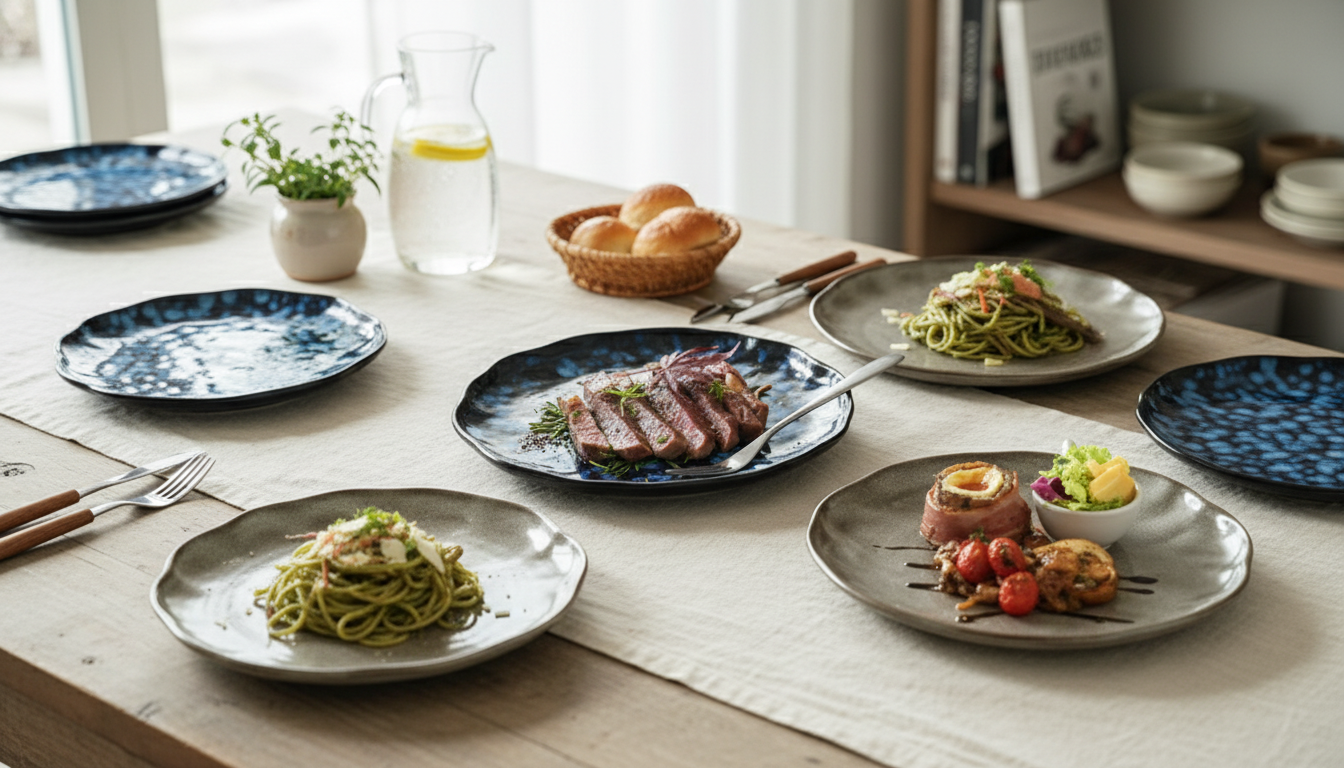
Vintage Ceramic Dinner Plates That Elevate Everyday Meals
Vintage ceramic dinner plates bring warmth, character, and a collected look to the table. The best part is that “vintage” doesn’t have to mean fragile or fussy—many ceramic pieces were made for real kitchens and can still serve beautifully today. From glaze nuances to weight and rim shape, a few practical checks help match the right plates to daily use, special dinners, and long-term care.
What Makes a Plate Feel “Vintage”
Vintage style often comes down to small details that feel human and timeworn in the best way. Even newer plates can read as vintage when they borrow classic forms and finishes.
- Design cues: Look for hand-painted motifs, transferware-style patterns, scalloped rims, earthy speckling, and softly crazed glazes.
- Material feel: Many vintage ceramics have slightly heavier bodies, warmer tones, and visible craftsmanship details like brush marks or subtle asymmetry.
- Color story: Muted florals, deep blues, olive greens, and cream bases age gracefully and mix well across sets.
- Mix-and-match appeal: Coordinated variety can look intentional when united by a shared palette or a similar rim profile.
If you want one easy “anchor” to build around, start with a core set of Vintage Ceramic Dinner Plates and then layer in a few complementary salad plates or bowls over time.
Choosing the Right Size and Shape for Your Table
Plates should look good, but they also have to fit your cabinets, your dishwasher rack, and the way you actually eat. A gorgeous 12-inch plate loses its charm if it won’t stack neatly or crowds the table.
- Dinner plate sizing: 10–11 inches suits most meals; 11–12 inches offers a modern, restaurant-style presentation but needs more cabinet space.
- Rim vs. coupe: Rimmed plates frame saucy foods and reduce spills; coupe plates feel contemporary and stack efficiently.
- Depth matters: Slightly deeper profiles help with pasta, curry, and sauced entrées.
- Edge durability: Thicker rims tend to chip less; thin edges look refined but require gentler handling.
| Plate type | Typical diameter | Best for | Notes |
|---|---|---|---|
| Dinner plate | 10–11 in | Main courses | Most versatile; easiest to mix with existing dishware |
| Large dinner plate | 11–12 in | Plated dinners | Check cabinet clearance and dishwasher rack fit |
| Salad/appetizer plate | 8–9 in | Starters, desserts | Pairs well when mixing patterns |
| Bread plate | 6–7 in | Bread, small bites | Useful for hosting; often overlooked in sets |
Glaze, Finish, and Safety Checks
Vintage ceramics can be wonderfully functional, but it’s smart to do a quick inspection—especially if a piece is older, unmarked, or thrifted.
- Food contact surfaces: Prioritize smooth, intact glazes on the eating surface; avoid flaking, pitting, or exposed porous clay where food and moisture can soak in.
- Crazing: Fine hairline crackle can be decorative but may stain over time. Reserve heavily crazed pieces for display or low-mess foods.
- Lead and cadmium considerations: Older or unknown-origin ceramics may use pigments or glazes with heavy metals. When in doubt, use a lead-test kit and avoid long-term contact with acidic foods on questionable pieces. The FDA provides helpful background on lead in food contact items: U.S. Food and Drug Administration (FDA) — Lead in Food, Foodwares, and Dietary Supplements.
- Stains and odors: Persistent musty smells or deep brown staining can indicate absorption in unglazed areas.
A good rule: if the surface that touches food doesn’t look cleanable to “like new,” treat the piece as decorative or occasional-use only.
How to Build a Cohesive Set Without Perfect Matching
Mixing vintage plates is one of the easiest ways to make a table feel personal—like it was built over years rather than bought all at once. The trick is to add structure so the variety reads as curated.
To finish the look, keep countertop storage elegant and minimal—something like a Modern Glass Storage Jar with Golden Butterfly – Elegant Home Decor can add a refined accent while staying neutral enough to pair with mixed dinnerware.
Care and Storage for Daily Use
For museum-level care guidance that still applies at home, the Smithsonian’s recommendations are a solid reference: Smithsonian Institution — Caring for Ceramics and Glass.
Featured Option: A Classic Vintage-Inspired Look
- Anchor your table: A cohesive set of Vintage Ceramic Dinner Plates provides consistency for everyday use while leaving room to layer in thrifted finds.
- Look for comfort and stability: A comfortable rim, a stable foot, and a glaze that wipes clean easily matter more than a perfect pattern.
- Giftable and practical: Dinner plates make a useful housewarming gift—pair them with neutral linens or a countertop accent like the Modern Glass Storage Jar with Golden Butterfly – Elegant Home Decor for a simple table refresh.
FAQ
Are vintage ceramic dinner plates safe to eat from?
They can be, but safety depends on glaze condition and the piece’s origin. Avoid plates with flaking, pitting, or exposed porous clay on the eating surface, and consider a lead-test kit for older or unmarked ceramics—especially if you’ll serve acidic foods.
Can ceramic plates with gold trim go in the microwave or dishwasher?
Metallic trim can spark in the microwave and may fade or wear in the dishwasher over time. To protect the finish, avoid microwaving and hand-wash when possible; if you do machine-wash, use a gentle cycle and skip high-heat drying.
How can mismatched vintage plates look intentional on the table?
Stick to a shared color palette, repeat one motif or rim color, and keep the number of patterns limited (often three works well). Use solid pieces as “breathers,” then unify the setting with consistent linens and flatware.













Leave a comment