

Stainless Steel Covered Litter Box w/ Pedal Odor Control
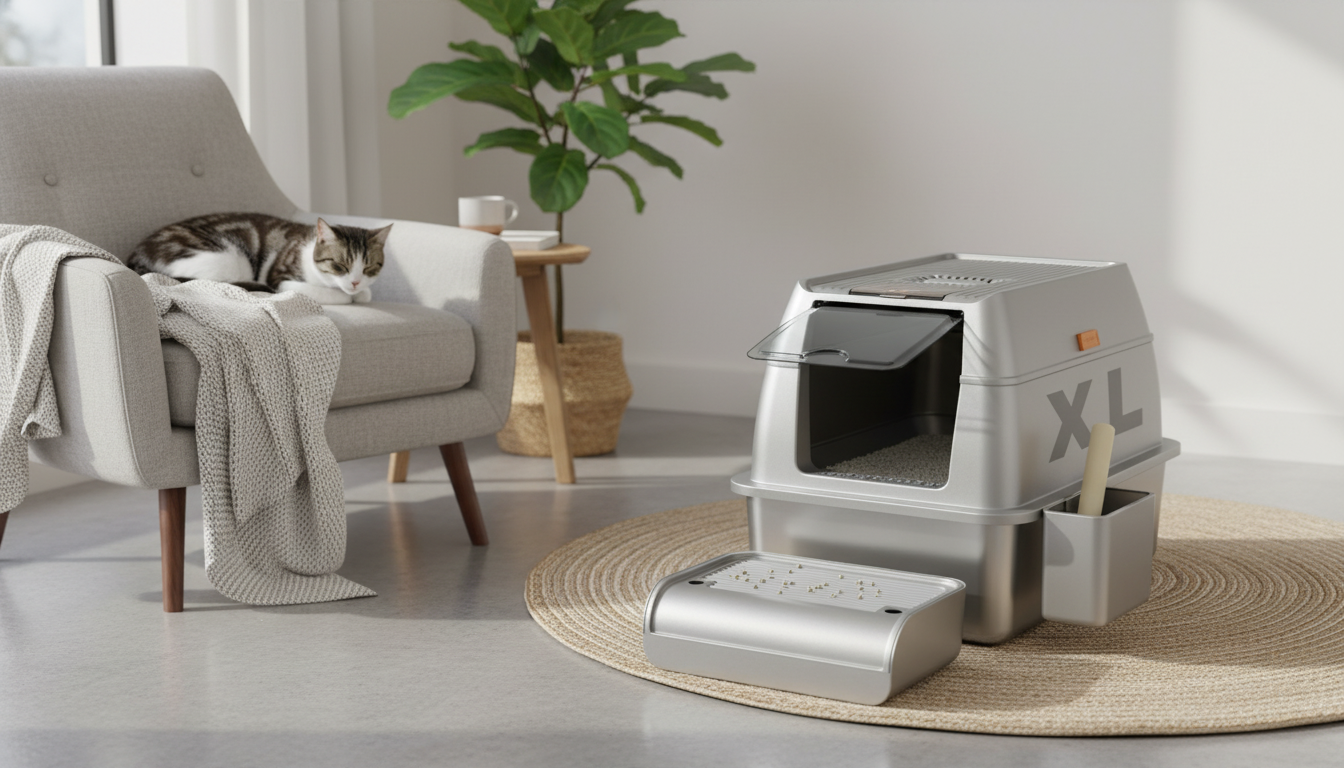
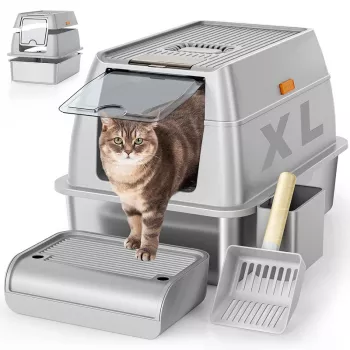
Closed Stainless Steel Cat Litter Box with Deodorizing Enclosure and Pedal: Cleaner Floors, Fresher Air, Easier Scooping
A closed stainless steel litter box combines a non-absorbent pan with a covered enclosure to help contain odor, tracking, and mess. Add a foot pedal and the daily routine becomes faster and more hygienic—especially in busy homes or small spaces where litter box smells and scattered granules are harder to manage.
What Makes This Style Different
- Stainless steel pan resists staining and lingering odor compared with many plastic pans.
- Closed enclosure helps reduce litter scatter and provides privacy for cats that prefer it.
- Deodorizing design aims to keep smells contained rather than spreading through the room.
- Foot pedal supports hands-free access for quicker checks and easier cleaning routines.
Key Parts and How They Work Together
- Stainless steel base: smooth surface helps waste release more easily during scooping and reduces odor absorption over time.
- Top enclosure: creates a barrier that helps limit kick-out and may reduce air currents that carry odor.
- Entry/exit path: encourages most litter to stay inside; consider whether the entry height suits kittens or seniors.
- Pedal mechanism: enables opening/closing or access without touching the lid, lowering contact with high-touch surfaces.
- Deodorizing enclosure features: typically relies on sealing, airflow control, or filter-style components; replaceable parts should be checked periodically.
Everyday Benefits for Cats and People
- Reduced tracking: a covered design can keep more granules inside the box, helping protect nearby floors.
- Improved odor control: stainless steel plus a closed top can noticeably reduce persistent smells when paired with regular scooping.
- Less mess around the box: the enclosure acts as a shield for cats that dig vigorously.
- More comfortable for some cats: a private space may help shy cats feel secure (while others may prefer open boxes).
- Cleaner handling: the pedal can reduce how often hands touch the lid, especially during quick maintenance.
Material Deep Dive: Stainless Steel vs. Plastic
Material choice affects odor, cleaning time, and how “fresh” the litter area feels from week to week. Plastic pans can develop tiny scratches from scoops and litter granules; those micro-grooves can trap residue and make smells harder to eliminate. Stainless steel, by contrast, is less porous and typically rinses cleaner, which can be a big win for odor-sensitive homes.
That said, stainless steel can be louder if a hard scoop scrapes the surface. A scoop with a smoother edge (or a gentler technique) helps reduce noise while keeping the pan looking new.
Quick Comparison for Common Litter Box Materials
| Factor | Stainless Steel Pan | Plastic Pan |
|---|---|---|
| Odor absorption over time | Lower | Higher (especially when scratched) |
| Ease of deep cleaning | Very easy to rinse and disinfect | May need more scrubbing; can hold odors |
| Long-term durability | High | Varies; can scratch and degrade |
| Weight/stability | Typically heavier and steadier | Typically lighter and easier to move |
| Best for | Odor-sensitive homes, frequent cleaners, multi-cat homes | Budget setups, temporary use, lighter carry |
Placement Tips That Improve Odor Control
- Choose a low-traffic, well-ventilated spot so cats feel safe and odors don’t concentrate in tight corners.
- Keep the box away from food and water areas to respect feline preferences and reduce cross-contamination.
- Use a washable mat outside the entrance to catch leftover litter from paws.
- Avoid placing the enclosure directly against walls where opening and cleaning becomes awkward.
- For multi-level homes, consider access: cats should always have an easy route to the box.
If a home has persistent odor concerns despite good cleaning habits, it can help to review basic feline care and hygiene guidance from trusted sources like the American Veterinary Medical Association (AVMA) and the ASPCA, especially when changes in bathroom habits appear suddenly.
Cleaning Routine That Keeps Stainless Steel Fresh
To make daily maintenance even smoother, keep supplies close by (scoop, bags, wipes, spare filter inserts). A dedicated container can help prevent scattered supplies around the litter area, such as the Modern Glass Storage Jar with Golden Butterfly – Elegant Home Decor for small items like replacement inserts or deodorizing beads (stored safely out of pets’ reach).
Is a Closed Enclosure Right for Your Cat?
Common Issues and Simple Fixes
When This Design Is the Best Fit
Featured In-Stock Picks
- Closed Stainless Steel Cat Litter Box with Deodorizing Enclosure and Pedal — a stainless base paired with a closed, deodorizing top and pedal access to help keep floors cleaner and air fresher.
- Modern Glass Storage Jar with Golden Butterfly – Elegant Home Decor — a simple way to keep small litter-area essentials organized (like spare liners, filter inserts, or bag rolls) so quick cleanups stay quick.
FAQ
Do stainless steel litter boxes really reduce odor compared with plastic?
Stainless steel is non-porous, so it’s less likely to absorb odor and staining over time the way scratched plastic can. Odor control still depends on consistent scooping, the right litter, and regular deep-cleaning.
Will a closed litter box make my cat feel trapped or stop using it?
Some cats love the privacy, while others dislike enclosed spaces. If a cat hesitates, has accidents, or refuses to enter, try a gradual transition—such as starting with the lid removed—then reintroducing the top once the cat is comfortable.
How often should the deodorizing enclosure or filter be replaced or refreshed?
Check it weekly and replace it on the manufacturer’s schedule; multi-cat homes, humid rooms, and infrequent scooping can shorten its effective lifespan. If odor returns sooner than expected, it’s usually time to refresh the deodorizing component and the litter.












Leave a comment