

Diagnose an Overheating Engine: 5 Quick Checks
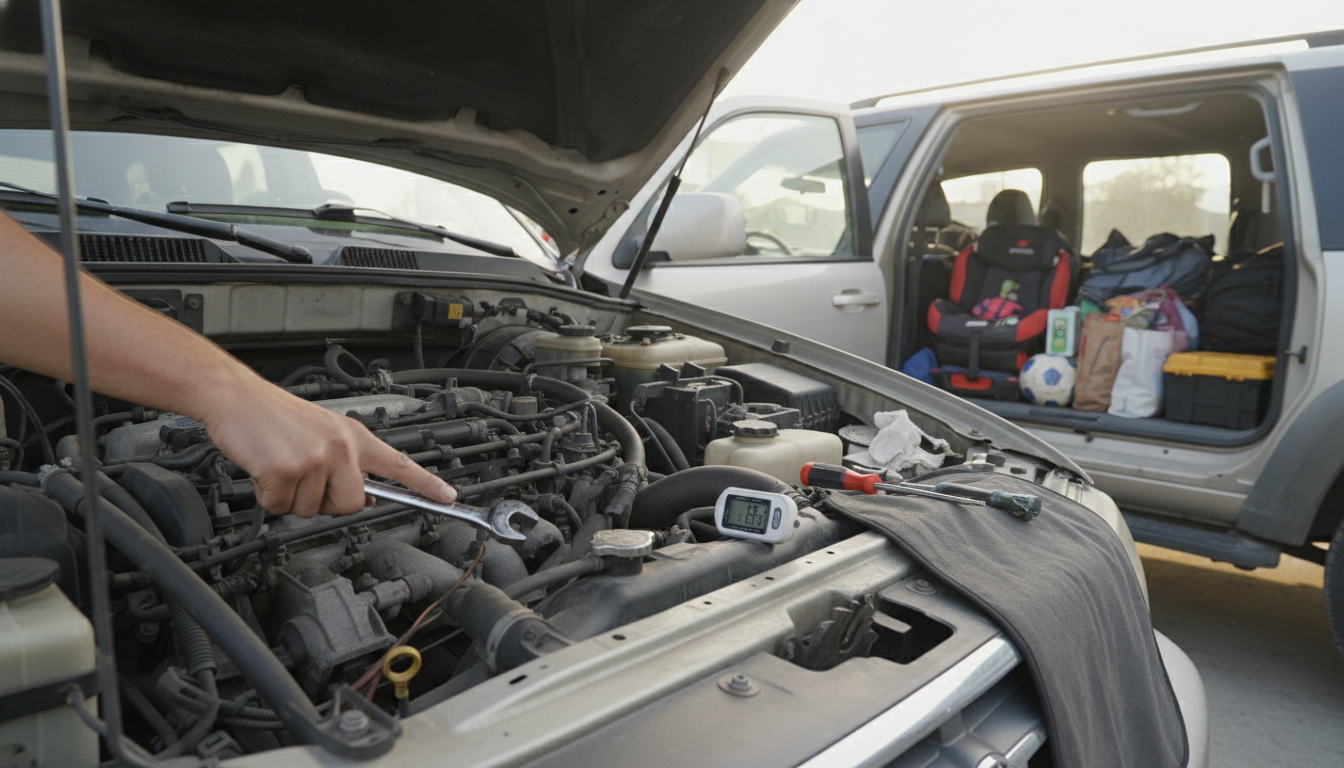
How to diagnose overheating engine
Diagnosing an overheating engine starts with confirming the symptoms and narrowing down whether the issue is coolant loss, poor airflow, a circulation problem, or a false temperature reading. If the temperature gauge spikes, the warning light comes on, or you notice steam or a sweet smell, treat it as urgent and avoid driving further than necessary.
Step 1: Confirm it’s actually overheating
Check the temperature gauge behavior: a steady climb toward “H” is more concerning than a brief spike that drops back down. If you have an OBD-II scanner, compare the coolant temperature reading to the dash gauge; a big mismatch can point to a sensor or gauge issue rather than true overheating.
Step 2: Look for coolant loss and obvious leaks
With the engine off and cooling down, inspect the ground for puddles and look around the radiator, hoses, and hose clamps for wet spots or crusty residue. Also check the coolant reservoir level; an empty reservoir often indicates a leak or repeated overheating. Never open a hot radiator cap.
Step 3: Check airflow and cooling fan operation
Overheating at idle or in slow traffic often suggests an airflow problem. Once the engine is warm, confirm the electric radiator fan turns on. If it doesn’t, the issue could be the fan motor, relay, fuse, wiring, or a temperature switch/sensor.
Step 4: Assess coolant circulation (thermostat, water pump, radiator)
Overheating that worsens at highway speeds can point to restricted coolant flow. After the engine cools, squeeze upper radiator hoses for firmness and inspect for collapsed hoses. Signs like coolant weeping near the water pump, grinding noises, or repeated overheating after topping off coolant can indicate a failing pump, stuck thermostat, or a clogged radiator.
Step 5: Watch for head gasket red flags
Persistent coolant loss with no visible leak, milky oil, white exhaust smoke, bubbling in the reservoir, or rapid pressure buildup can signal a head gasket problem and warrants immediate professional diagnosis.
For safer roadside checks and what to do next, follow the step-by-step guide here: https://hovira.com/guide-car-overheating-road-safe-steps-quick-checks/.
FAQ
What should I do immediately if my car starts overheating while driving?
Turn off the A/C, turn the heat on high, and safely pull over as soon as possible. Shut the engine off and let it cool completely before checking coolant levels or looking for leaks.













Leave a comment