
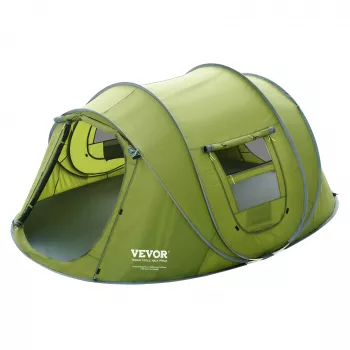
4-Person Pop-Up Tent: Waterproof, UV Shade, Airflow
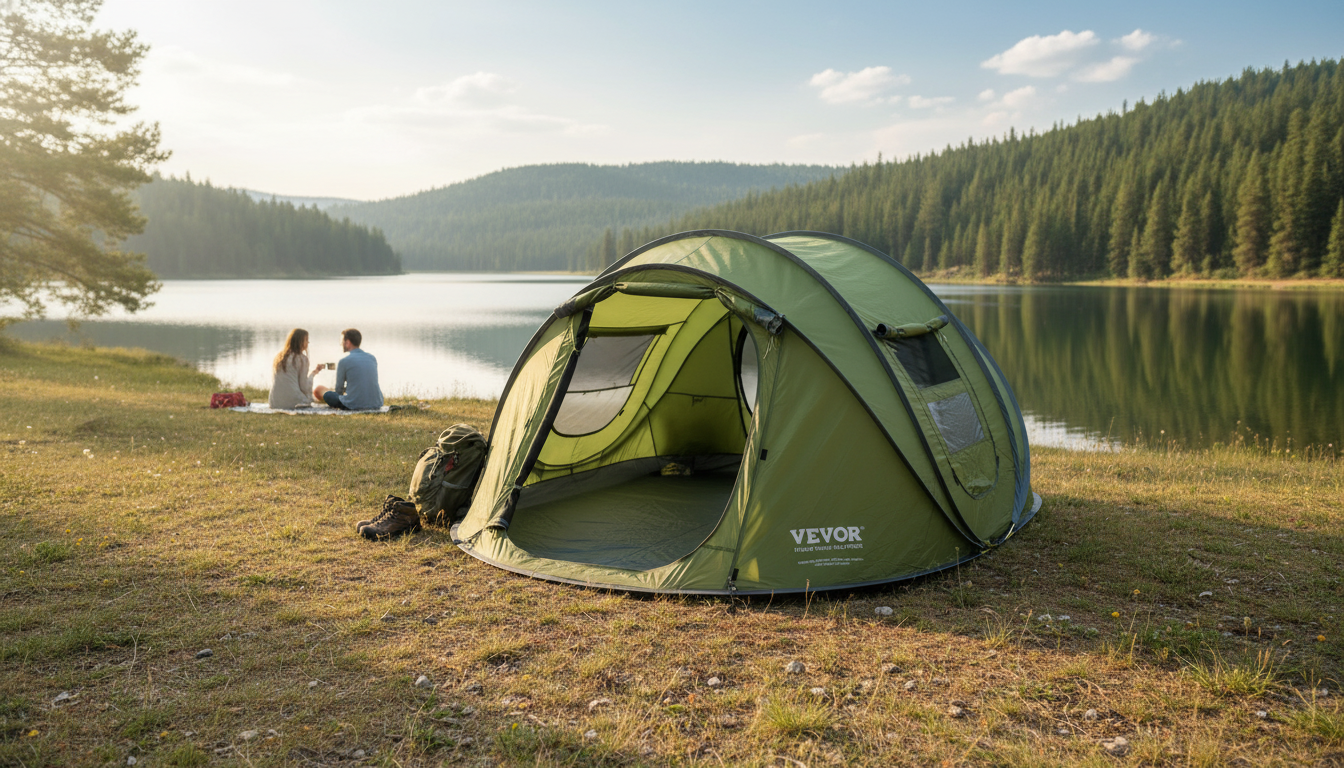
4-Person Pop-Up Waterproof Camping Tent with UV Protection & Ventilation
A pop-up tent is made for quick shelter without the usual pole-by-pole setup. This 4-person design focuses on three priorities for warm-weather and mixed-forecast trips: keeping water out, reducing harsh sun exposure, and maintaining airflow so the interior stays more comfortable during the day and night.
If you want a fast pitch for car camping, festivals, or park overnights, the 4-Person Pop-Up Waterproof Camping Tent with UV Protection & Ventilation is built around convenience without ignoring the conditions that usually make camping miserable: wet ground, mid-day heat, and overnight condensation.
What this tent is designed to do
- Pop-up structure for fast pitching at campsites, parks, and festivals—ideal when arriving late or setting up in wind.
- Weather-focused build intended to handle sudden showers and damp ground conditions when properly staked and positioned.
- UV-aware fabric and ventilation features aimed at sunny, warm, and humid environments where heat and stuffiness build fast.
- Room for up to four sleepers, with real-world comfort depending on sleeping pad width and how much gear stays inside.
At-a-glance feature checklist
Use the checklist below to confirm the essentials before packing (space, airflow, rain readiness, and ease of setup). Treat occupancy as flexible: four for sleeping-only, fewer if bringing large bags inside.
| Feature | Why it matters at camp | What to verify before the trip |
|---|---|---|
| Pop-up frame | Cuts setup time and reduces missing parts | Practice one full setup and takedown at home |
| Waterproofing | Helps prevent leaks during showers and overnight rain | Check seams, rainfly coverage, and ground contact points |
| UV protection | Adds comfort in bright sun and helps reduce interior heat gain | Confirm coverage where sun hits most (roof and upper panels) |
| Ventilation | Reduces condensation and stale air, especially in humidity | Ensure vents can stay open while maintaining rain protection |
| Door/entry design | Controls airflow and bug protection | Test zippers and confirm mesh is intact |
| Floor/ground barrier | Prevents seepage and abrasion | Use a groundsheet sized slightly smaller than the floor footprint |
Space and comfort for up to four people
- Best-case fit: four standard-width sleeping pads placed edge-to-edge with minimal interior storage.
- More comfortable fit: two to three people with room for bags inside, especially for longer stays.
- Plan storage: keep wet shoes and muddy items near the entry and use a small mat or ground cloth to reduce tracked-in moisture.
- In rainy conditions: consider keeping some gear in the vehicle to preserve sleeping space and reduce interior humidity.
For groups, a simple habit makes a big difference: decide ahead of time what sleeps inside versus what stays outside (or in the car). When the floor isn’t crowded with duffels, airflow improves and the interior feels less clammy by morning.
Fast setup and takedown (how to avoid common pop-up mistakes)
- Choose a flat spot: avoid dips where water can pool; clear sharp rocks and sticks first.
- Anchor early: stake corners soon after the tent opens to prevent wind from shifting it.
- Orient for airflow: point the main door away from strong wind, and align vents to encourage a cross-breeze.
- Takedown tip: follow the fold pattern slowly to avoid twisting the frame; secure straps before putting it into the carry bag.
- Practice once at home: a quick backyard run reduces fumbling at the campsite.
If storms are possible, keep an eye on forecasts and local alerts, and never shelter in a tent during lightning. Follow guidance from the National Weather Service lightning safety resources for safer alternatives (vehicle or substantial building).
Staying dry: waterproofing that holds up in real conditions
Sun comfort: UV protection and shade strategy
For daily planning, it helps to understand the UV Index and how quickly exposure can add up. NOAA’s overview of the UV Index explains what the numbers mean and why mid-day sun can feel intense even when temperatures don’t seem extreme.
Ventilation and condensation control
Where this tent fits best
For cool evenings or breezy mornings, a cozy layer can make the tent feel warmer without overpacking. If you want an easy throw-on for camp downtime, consider the Women’s Abstract Print Loose Hoodie.
Care, storage, and longevity
If you like keeping small campsite essentials organized at home (matches, tea bags, spare zipper pulls, mini first-aid items), a container with a tight lid can help. The Modern Glass Storage Jar with Golden Butterfly – Elegant Home Decor is a neat option for tidy storage between trips.
FAQ
Can a pop-up tent handle overnight rain?
Yes, as long as it’s pitched smartly: pick higher ground, stake it securely, and keep panels taut so water can’t pool. A groundsheet that’s slightly smaller than the tent floor helps prevent runoff from being channeled underneath, and vents/rainfly positioning should block wind-driven rain.
How do ventilation panels help reduce condensation?
Vent panels improve airflow so moist air can escape instead of collecting on cooler interior surfaces overnight. Cross-venting works best, and keeping wet gear outside (plus cracking vents even on cooler nights) can noticeably reduce morning dampness.
Is a 4-person tent comfortable for four adults?
Four adults can fit for sleeping-only with narrower pads and minimal gear inside. For most trips, two to three adults is typically more comfortable if you want room for bags, and storing some gear in the vehicle helps preserve space and reduces humidity.













Leave a comment