

30W QC4.0 PPS Car Charger: Faster, Cooler Top-Ups
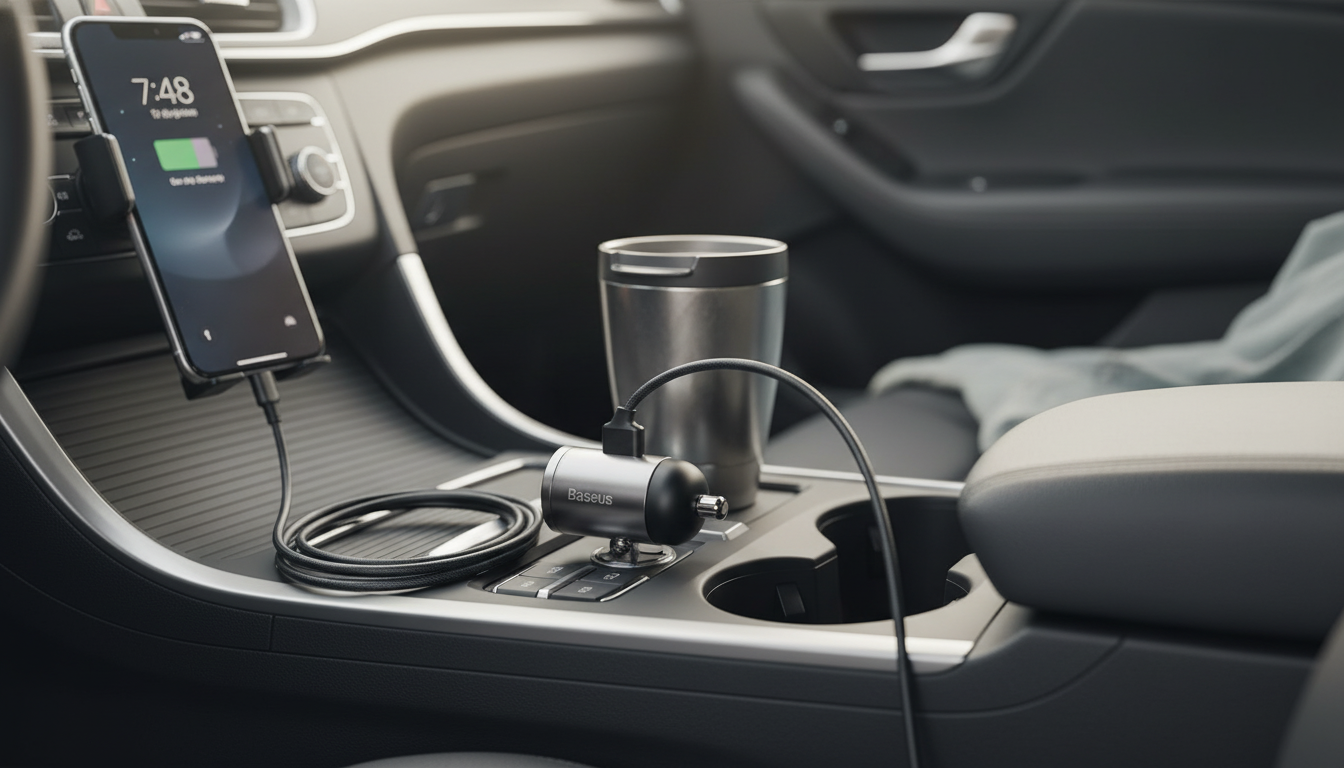
A compact 30W car charger can make short drives and quick errands enough time to meaningfully recharge a phone, earbuds, or a navigation device. With QC4.0 and PPS support, charging can stay fast while adapting to the connected device’s needs, helping reduce heat and improve consistency across compatible Android phones and other USB-C gear.
What 30W fast charging means in a car
A “30W” rating is the charger’s maximum output to a single compatible device. The speed you actually see depends on what your phone or accessory requests, its battery temperature, and whether the vehicle’s power is stable.
- 30W is the ceiling, not a promise: your device’s charging profile and thermal limits decide how close it gets to 30W.
- Fast charging feels fastest early on: the jump from low to mid battery is usually quick, while 80–100% tends to slow to protect battery health.
- Vehicle power stability matters: a solid 12V socket (or 24V in some trucks) with a snug fit helps avoid dropouts and slowdowns.
- The cable can make or break performance: a well-built, high-current USB-C to USB-C cable helps sustain higher power with less resistance and heat.
QC4.0 and PPS in plain terms
QC4.0 and PPS are both about negotiating power intelligently so charging stays fast without wasting energy as heat.
- QC4.0 builds on USB Power Delivery concepts and aims for broader compatibility and better efficiency than older Quick Charge generations.
- PPS (Programmable Power Supply) allows smaller step-by-step voltage/current adjustments during charging, which can improve efficiency and reduce heat on supported devices.
- PPS support varies by phone: when your phone supports PPS, it often holds higher charging speeds longer before thermal throttling kicks in.
- Graceful fallback is normal: if a device doesn’t support QC4.0 or PPS, it should fall back to standard USB charging or USB PD (if available).
| Standard/Mode | What it does | Typical benefit | Best use case |
|---|---|---|---|
| USB PD (fixed profiles) | Negotiates set voltage/current profiles over USB-C | Wide compatibility across many devices | Phones, tablets, some accessories using USB-C |
| PPS (within USB PD) | Fine-tunes voltage/current dynamically during charge | Better efficiency and lower heat on supported phones | Newer Android phones that advertise PPS support |
| Qualcomm Quick Charge (QC) | Fast-charging ecosystem used by many Android devices | Strong performance on compatible devices | Phones/accessories listing QC compatibility |
| Standard USB charging | Basic 5V charging without fast protocols | Universal fallback | Older devices, basic power needs |
For deeper background on the standards themselves, the USB-IF has a helpful overview of USB Power Delivery (USB PD), and Qualcomm outlines how Quick Charge works across compatible devices.
Compatibility checklist before plugging in
Getting “fast” charging in the car is mostly about making sure the charger, device, and cable are speaking the same language.
- Verify your device’s fast-charge support: check the specs for QC, USB PD, and/or PPS. The charger can only deliver what the device negotiates.
- Match the cable to the port: USB-C devices usually perform best with USB-C to USB-C. Avoid unknown cables that can trigger throttling.
- Ensure a full connection: thick cases or magnetic mounts can prevent the connector from seating fully, causing intermittent charging.
- Plan for multi-device charging: if your setup has multiple ports, the total output may be shared—prioritize the device that needs fast charging most.
Everyday use scenarios where 30W helps
A 30W charger shines when you don’t have time to babysit a slow charge. Instead of arriving with barely any improvement, you can often finish a short drive with a noticeably healthier battery percentage.
- Commutes: a 15–30 minute drive can be enough to recover meaningful charge from a low starting point, especially on compatible Android phones.
- Navigation-heavy trips: GPS plus a bright screen drains power; higher output helps maintain charge even while the phone is working hard.
- Quick stops: errands and coffee runs become worthwhile charging windows rather than a trickle that barely offsets standby drain.
- Shared rides and gig driving: quick top-ups between passengers or appointments can keep your phone ready without living on battery saver mode.
Keeping charging fast and cool
Heat is the silent speed limiter in a car. Even with a great charger, hot cabin conditions can push a phone into thermal throttling, where it intentionally reduces charging power.
Quick spec-and-feature cues to look for
Recommended picks (in stock)
- 30W Fast Car Charger QC4.0 PPS Quick Charging ($10.67) — a practical upgrade for faster top-ups on commutes, errands, and road trips.
- Women’s Abstract Print Loose Hoodie ($65.01) — a comfortable layer for early-morning drives, cool cabins, or long travel days.
FAQ
Will a 30W QC4.0/PPS car charger fast-charge an iPhone?
iPhones primarily fast-charge using USB Power Delivery (USB PD), not QC branding. If the charger provides USB PD over USB-C, it can fast-charge compatible iPhone models with the right cable (USB-C to Lightning, or USB-C to USB-C for newer models).
Why does fast charging slow down after a while?
Phones charge fastest at lower battery levels, then reduce power as the battery fills to protect long-term health. Heat also triggers throttling, and hot car interiors can accelerate that—PPS may improve efficiency, but it can’t override the phone’s safety limits.
Do cables affect QC/PPS charging speed?
Yes—cable build quality, length, and current rating can significantly impact charging speed. A properly rated USB-C cable with solid connectors helps reduce resistance and heat, while low-quality or damaged cables can force charging to slow down.













Leave a comment