

Low-Calorie Eating That Satisfies: Light & Nourished
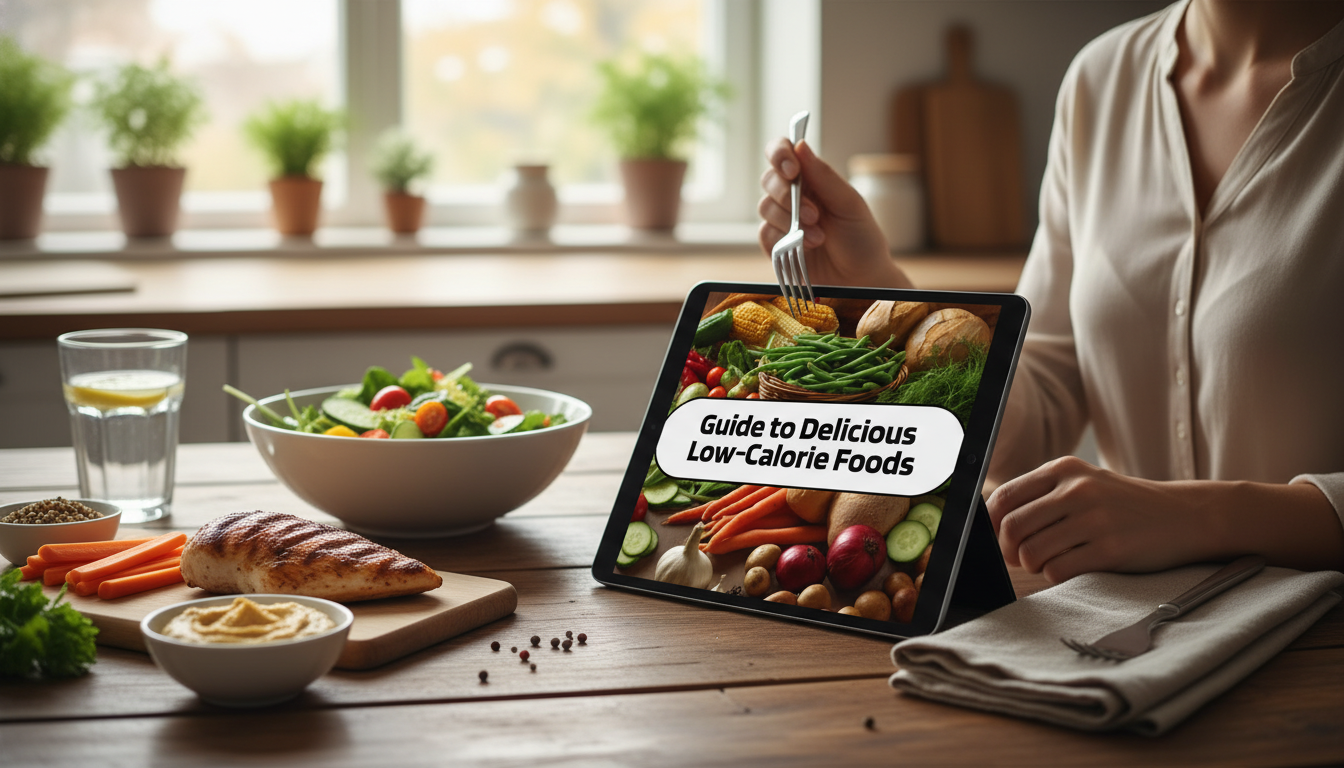
Light & Nourished: A Practical Path to Low-Calorie Eating That Feels Satisfying
Low-calorie eating works best when meals are filling, flavorful, and easy to repeat. The goal isn’t to “eat less” in a way that leaves you constantly thinking about food—it’s to build plates with high volume, strong nutrition, and enough protein and fiber to keep hunger steady. With a simple framework for ingredients, portions, and prep, lighter meals can feel comforting and craveable instead of restrictive.
What “light and nourished” really means
“Light and nourished” is a practical middle ground: meals that feel easy on your body while still delivering satisfaction and steady energy.
- Fullness per calorie: Lean proteins, fiber-rich plants, and water-rich foods (like soups and produce) help you feel satisfied without relying on heavy add-ons.
- Steady energy: Pair protein + fiber + a little fat to reduce spikes and crashes and support calmer appetite cues.
- Big flavor, lighter calories: Use herbs, citrus, vinegar, spices, and umami boosters (miso, broth, salsa) so food tastes “complete” without needing lots of oil, cheese, or sugary sauces.
- Consistency over perfection: A few repeatable meals with flexible portions typically work better than short-lived strict rules.
The building blocks of satisfying low-calorie meals
When a meal feels “not enough,” it’s usually missing one of these anchors. Aim to include at least three most of the time.
- Protein: Supports satiety and muscle. Try Greek yogurt, eggs/egg whites, tofu/tempeh, fish, chicken breast, beans, or lentils.
- Fiber: Slows digestion and improves fullness. Include berries, apples, oats, chia, legumes, and cruciferous vegetables.
- Volume: Water-rich foods make a plate feel abundant. Think salads, broth-based soups, zucchini, cucumbers, mushrooms, and watermelon.
- Smart fats: Small amounts improve taste and staying power. Measure olive oil, avocado, nuts, seeds, or tahini-style dressings.
- Flavor strategy: Keep bold options on hand—salsa, mustard, hot sauce, citrus, garlic, ginger, miso, and low-sodium broth.
A simple plate method for everyday meals
This method keeps choices simple while supporting fullness. If you prefer structure, treat it like a default template rather than a strict rulebook.
- Half the plate: Non-starchy vegetables (roasted, sautéed, or raw). Add a punchy dressing with lemon/vinegar and seasoning.
- One palm: Protein (or a generous plant-protein portion if vegetarian).
- One fist (as needed): Smart carbs for activity, mood, and satisfaction—fruit, potatoes, whole grains, or beans.
- Finish measured: 1–2 teaspoons oil, a sprinkle of seeds, or a spoon of tahini-style dressing.
- Adjust with cues: If still hungry, increase vegetables first, then protein, then carbs.
Quick swap ideas that keep meals satisfying with fewer calories
| If craving… | Try this base | Add flavor | Why it helps |
|---|---|---|---|
| Creamy comfort | Greek yogurt or blended cottage cheese | Lemon + garlic + herbs | High protein with a thick texture |
| Crunchy snack | Air-popped popcorn or sliced cucumbers | Chili-lime seasoning | Big volume for minimal calories |
| Takeout-style bowl | Cauliflower rice + extra veggies | Soy sauce + ginger + sesame (measured) | Cuts calories while keeping a large portion |
| Sweet dessert | Berries + yogurt | Cinnamon + vanilla | Fiber + protein supports fullness |
| Hearty soup | Broth-based vegetable soup | Miso or tomato + basil | Warm, high-volume meal that satisfies |
Meal prep that supports energy and weight wellness
Meal prep doesn’t have to mean eating the same container of food all week. A light-and-nourished routine works best when you prep flexible components you can remix.
- Choose a “prep trio”: 1 protein, 2 vegetables, and 1 versatile carb (optional). Example: chicken + roasted broccoli + sautéed mushrooms + microwave rice.
- Batch components, not rigid meals: Roast a sheet pan of vegetables, wash greens, cook a protein, and prep a pot of beans or grains.
- Make flavor kits: Salsa + lime, yogurt-herb sauce, quick pickled onions, or a measured pesto drizzle.
- Build grab-and-go: Protein-forward snacks, chopped fruit, pre-portioned nuts/seeds, and salads with dressing on the side.
- Plan for time crunches: Frozen vegetables, canned beans, rotisserie chicken, and microwave grains still support a nourishing routine.
Keeping your staples visible and organized helps, too. A dedicated container for oats, beans, or snack portions can reduce “decision friction.” Consider a countertop option like the Modern Glass Storage Jar with Golden Butterfly – Elegant Home Decor to make better defaults feel effortless.
Mindful eating habits that make low-calorie feel easier
Mindful eating isn’t about eating slowly all the time—it’s about making it easier to notice what actually satisfies you.
Common pitfalls and quick fixes
A structured resource for low-calorie foods, meal ideas, and routines
Having a reliable rotation makes lighter eating feel automatic—especially when you’re busy. If you want a more organized approach to ingredients, meal combinations, and repeatable prep templates, Light & Nourished: Your Guide to Delicious Low-Calorie Foods for Energy, Health, and Happiness is designed to simplify choices while keeping satisfaction front and center.
For broader nutrition frameworks that pair well with this approach, the Harvard Healthy Eating Plate and USDA MyPlate offer helpful visual guides for balanced meals.
FAQ
What are the most filling low-calorie foods to keep in the kitchen?
Stock high-volume vegetables (leafy greens, cucumbers, zucchini, mushrooms), broth-based soups, berries, and legumes. Add high-protein staples like Greek yogurt, eggs, tofu, and lean meats to make meals more satisfying with fewer calories.
How many calories should a low-calorie meal have to still feel satisfying?
It varies by body size, activity, and goals, but many people find meals in a flexible mid-range feel best when they include protein, fiber, and plenty of volume. A practical anchor is aiming for roughly 20–35g of protein per meal, plus produce and a measured fat source for staying power.
Is meal prep necessary for mindful eating and weight wellness?
No, but it often makes consistency much easier by reducing decision fatigue. Even minimal prep—one cooked protein, chopped vegetables, and 2–3 flavorful sauces—can support steadier choices and calmer eating.













Leave a comment