

Acupuncture Points for Stress: Common Needle Areas
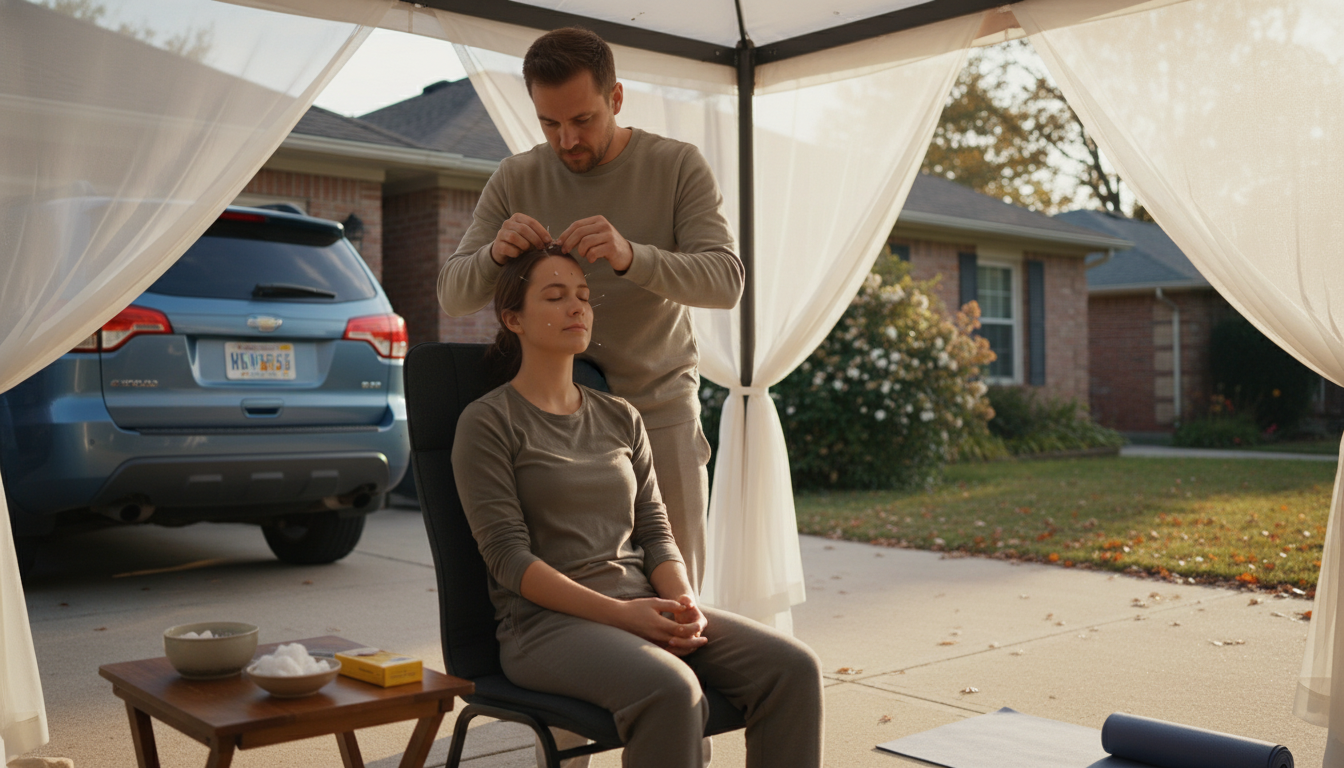
Where to put acupuncture needles for stress?
For stress support, acupuncture needles are typically placed on a combination of calming points on the wrists, forearms, between the eyebrows, the ears, and the lower legs/ankles. The exact locations and number of needles depend on your symptoms (like racing thoughts, muscle tension, poor sleep, or digestive upset), your overall health, and the practitioner’s assessment.
Common acupuncture point areas used for stress
While point selection is individualized, many sessions for stress and anxiety patterns include:
- Wrist/forearm points (often along the inner wrist): frequently used to settle the nervous system and ease chest tightness or worry.
- Between the eyebrows (the “third-eye” area): commonly chosen for calming the mind and quieting rumination.
- Ear points: auricular points may be used to encourage relaxation and can be helpful when stress shows up as restlessness or trouble winding down.
- Lower leg and ankle points: often selected to ground the body, support sleep, and reduce physical tension.
- Upper back/neck or scalp points: may be used when stress presents with headaches, jaw clenching, or shoulder tension.
Why you shouldn’t try to place needles yourself
Acupuncture involves precise point location, depth, and angle, plus sterile technique. Incorrect placement can cause pain, bleeding, bruising, dizziness, or—in rare cases—more serious injury. A licensed acupuncturist also adjusts the plan in real time based on how your pulse, tongue, and symptoms respond during treatment.
What a stress-focused session may feel like
Many people feel a dull ache, warmth, heaviness, or a brief tingling sensation at certain points, followed by a relaxed, “settled” feeling. Some patients feel sleepy during treatment, while others feel calm but alert afterward. For a deeper look at what to expect and important safety considerations, visit this guide to acupuncture for stress relief.
FAQ
How many acupuncture sessions do you need for stress relief?
Some people notice calming effects after 1–2 visits, while longer-term stress patterns often improve with a series of treatments (commonly weekly at first). Your acupuncturist may adjust frequency based on sleep, mood, and how quickly symptoms return between sessions.














Leave a comment