

Acupuncture for Stress Relief: What to Expect & Safety
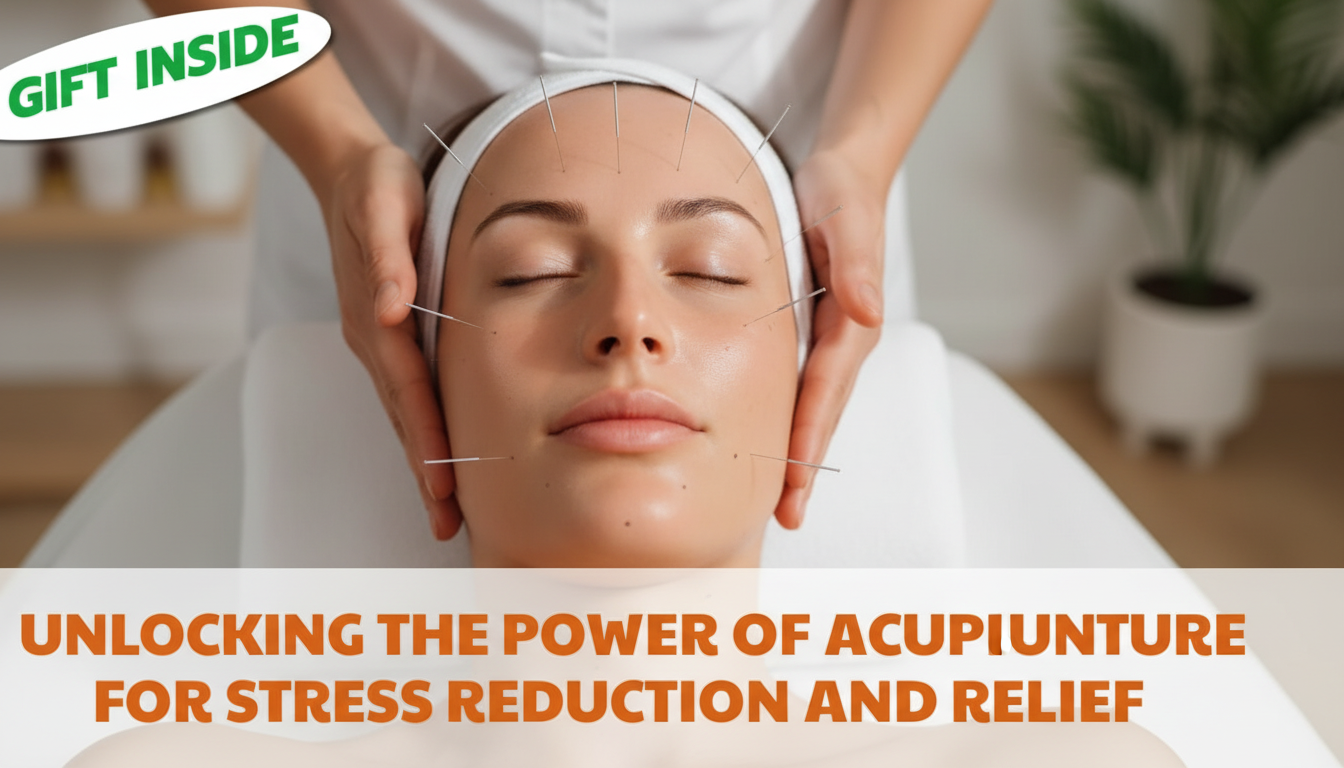
Unlocking the Power of Acupuncture for Stress Reduction and Relief
Stress can show up as racing thoughts, tight shoulders, poor sleep, digestive discomfort, or a constant feeling of being “on.” Acupuncture is a time-tested practice from Traditional Chinese Medicine (TCM) that many people use to support relaxation and resilience. This guide-style overview explains how acupuncture is used for stress support, what to expect from a session, safety considerations, and how to build a calming routine with practical, natural-wellness habits.
Why Stress Feels So Hard to “Turn Off”
When stress sticks around, it often stops feeling like a momentary reaction and starts feeling like a default setting. Common signals include tension headaches, jaw clenching, shallow breathing, irritability, sleep disruption, and persistent fatigue.
One reason chronic stress feels so stubborn is nervous-system momentum. The sympathetic (“fight/flight”) response is great for short bursts—deadlines, emergencies, sudden demands—but it can become a constant hum when triggers don’t let up. The parasympathetic (“rest/digest”) side, which supports calm, digestion, and recovery, may have fewer chances to take the lead.
Daily habits can unintentionally keep the body activated: late caffeine, blue light at night, endless notifications, skipped meals, and long stretches without movement. If stress is severe or symptoms feel urgent or unfamiliar—such as panic attacks, chest pain, or debilitating anxiety—medical support is the right next step.
Everyday Stress Patterns and Support Options
| Stress pattern | How it may feel | Support options to consider |
|---|---|---|
| Muscle-tension stress | Tight neck/shoulders, tension headaches | Acupuncture, heat therapy, gentle stretching, posture breaks |
| Sleep-related stress | Trouble falling asleep, waking at night | Acupuncture, sleep schedule, light management, relaxation breathing |
| Digestive stress | Bloating, appetite changes, “butterflies” | Acupuncture, regular meals, mindful eating, hydration |
| Overthinking stress | Racing mind, worry loops | Acupuncture, mindfulness practice, journaling, limiting stimulation |
How Acupuncture Supports Stress Relief in TCM and Modern Terms
In TCM, acupuncture is used to support balance and the smooth flow of Qi (often described as vital energy). Stress is commonly discussed through patterns such as “Liver Qi stagnation,” which can show up as tightness, frustration, sighing, or mood swings—though practitioners look at the full picture rather than a single label.
From a modern viewpoint, acupuncture is often discussed in terms of nervous-system regulation and stress-response pathways. Individual responses vary, but many people seek acupuncture because it helps them feel less “revved up” and more able to recover after pressure.
It can seem counterintuitive that tiny needles may feel calming. Yet many people report a heavy, warm, tingling, or “settling” sensation during treatment—followed by deeper breathing, a quieter mind, or even a brief nap on the table.
Acupuncture is also frequently paired with broader TCM-style support: lifestyle guidance, breathwork, gentle movement, and nutrition habits that aim to make calm more repeatable between sessions.
What the Research Says (Without the Hype)
Research suggests acupuncture may help some people with stress-related symptoms such as anxiety, sleep disturbance, and muscle tension, though results depend on the practitioner’s approach, the protocol used, session frequency, and personal factors. For a grounded overview of benefits, risks, and what’s known, see the National Center for Complementary and Integrative Health (NCCIH) guidance on acupuncture.
Progress is usually best measured with practical markers: falling asleep more easily, waking less often, fewer tension headaches, steadier mood, improved energy, and faster “bounce-back” after stressful events. Acupuncture is commonly used as a complementary option alongside therapy, exercise, and physician-directed care when needed—not as a replacement for urgent or specialized treatment.
Where Needles May Be Placed for Stress Support (General Areas)
What to Expect During an Acupuncture Session
For a straightforward way to prepare questions and keep session notes in one place, consider Unlocking the Power of Acupuncture for Stress Reduction and Relief – Digital Guide for Natural Wellness.
Safety, Comfort, and Choosing a Qualified Practitioner
For comfort, eat a light meal beforehand, hydrate, and plan a gentler schedule afterward if you tend to feel deeply relaxed or sleepy. If you want a neutral, cozy layer for post-session errands or a short decompression walk, a soft hoodie can help you stay warm without feeling restricted—like the Women’s Abstract Print Loose Hoodie.
For general safety information from a medical resource, see MedlinePlus — Acupuncture.
Building a Stress-Relief Routine Between Sessions
To make calming routines easier, set up a small “evening station” that removes friction—tea supplies, a notebook, a charger away from the bed. A countertop container like the Modern Glass Storage Jar with Golden Butterfly – Elegant Home Decor can keep your nightly essentials in one place so the routine feels automatic.
Using a Digital Guide to Get More from Acupuncture for Stress
If you want a simple, portable resource, the Unlocking the Power of Acupuncture for Stress Reduction and Relief – Digital Guide for Natural Wellness is designed to support planning, reflection, and follow-through.
FAQ
Can acupuncture help with stress and anxiety
Many people use acupuncture as a complementary option for stress and anxiety-related symptoms, and some report improvements in sleep, tension, and overall calm. Responses vary, so it’s best to work with a qualified practitioner and seek mental health care for severe, persistent, or worsening anxiety.
Where to put acupuncture needles for stress?
Practitioners often use points on areas like the ears, wrists, hands, lower legs, feet, or scalp, depending on your symptoms and overall pattern. Point choice is individualized, and self-needling isn’t safe because proper selection, depth, and sterile technique require professional training.
What is the secret of acupuncture and acupuncture for healing?
There isn’t one “secret”—results typically come from individualized point selection, consistent sessions, and whole-person care that supports nervous-system regulation and recovery. TCM provides a framework for tailoring treatment, while modern interpretations focus on stress-response pathways and symptom improvement without overpromising.













Leave a comment