

Energy-Efficient Building Property: Meaning & Key Features

What is an energy efficient building property?
An energy efficient building property is a home or commercial space designed, built, or upgraded to use less energy for heating, cooling, lighting, and hot water—without sacrificing comfort or performance. It achieves this through a mix of smart design choices (like orientation and shading), a tight and well-insulated building envelope, efficient mechanical systems, and controls that reduce waste.
Key features that define an energy efficient property
A high-performance building envelope: Insulation, air sealing, and quality windows/doors reduce unwanted heat gain and heat loss. A tight envelope also improves indoor comfort by preventing drafts and keeping temperatures more stable.
Efficient HVAC and ventilation: High-efficiency heat pumps, furnaces, or boilers paired with properly sized ductwork and smart thermostats help reduce run time. Balanced ventilation (often with heat/energy recovery) brings in fresh air while minimizing energy penalties.
Efficient lighting and appliances: LED lighting, ENERGY STAR-rated equipment, and advanced power management cut electrical use. In multifamily or commercial properties, controls such as occupancy sensors and daylight dimming can make a significant difference.
Water-heating and plumbing efficiency: Heat pump water heaters, insulated hot-water lines, low-flow fixtures, and recirculation controls reduce energy spent on hot water.
Renewables and storage (optional): Solar panels, solar hot water, and battery systems can further lower utility bills, but the biggest gains often come first from reducing demand through insulation and air sealing.
Why it matters for owners and buyers
Energy efficient properties typically offer lower monthly utility costs, steadier indoor temperatures, better humidity control, and fewer comfort complaints. They can also reduce maintenance strain because HVAC systems may run less and experience fewer extreme cycles. For buyers, documented efficiency upgrades can be a practical indicator of long-term operating costs.
How to spot efficiency in the real world
Look for an energy audit report, blower door test results, or ratings such as HERS (homes) and ENERGY STAR/LEED certifications (varies by building type). Utility bills, insulation documentation, window specifications, and the age/efficiency rating of HVAC equipment also provide helpful clues.
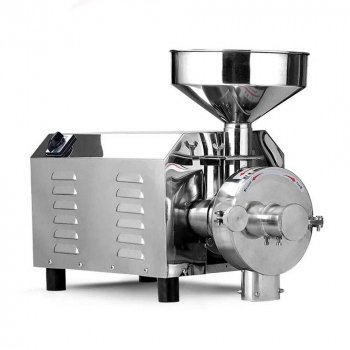
For a practical example of efficiency thinking—prioritizing performance, consistent output, and reducing wasted effort—see this guide: https://hovira.com/guide-3000w-commercial-grain-mill-fast-consistent-flour-prep/.
FAQ
What upgrades typically deliver the biggest energy savings in an existing building?
Air sealing and insulation often provide the fastest, broadest savings because they reduce heating and cooling losses immediately. After that, upgrading HVAC equipment and controls, improving windows where needed, and switching to LED lighting can further reduce energy use.












Leave a comment