

Energy Efficiency Tax Deductions: What Qualifies?
What can you deduct for energy efficiency?
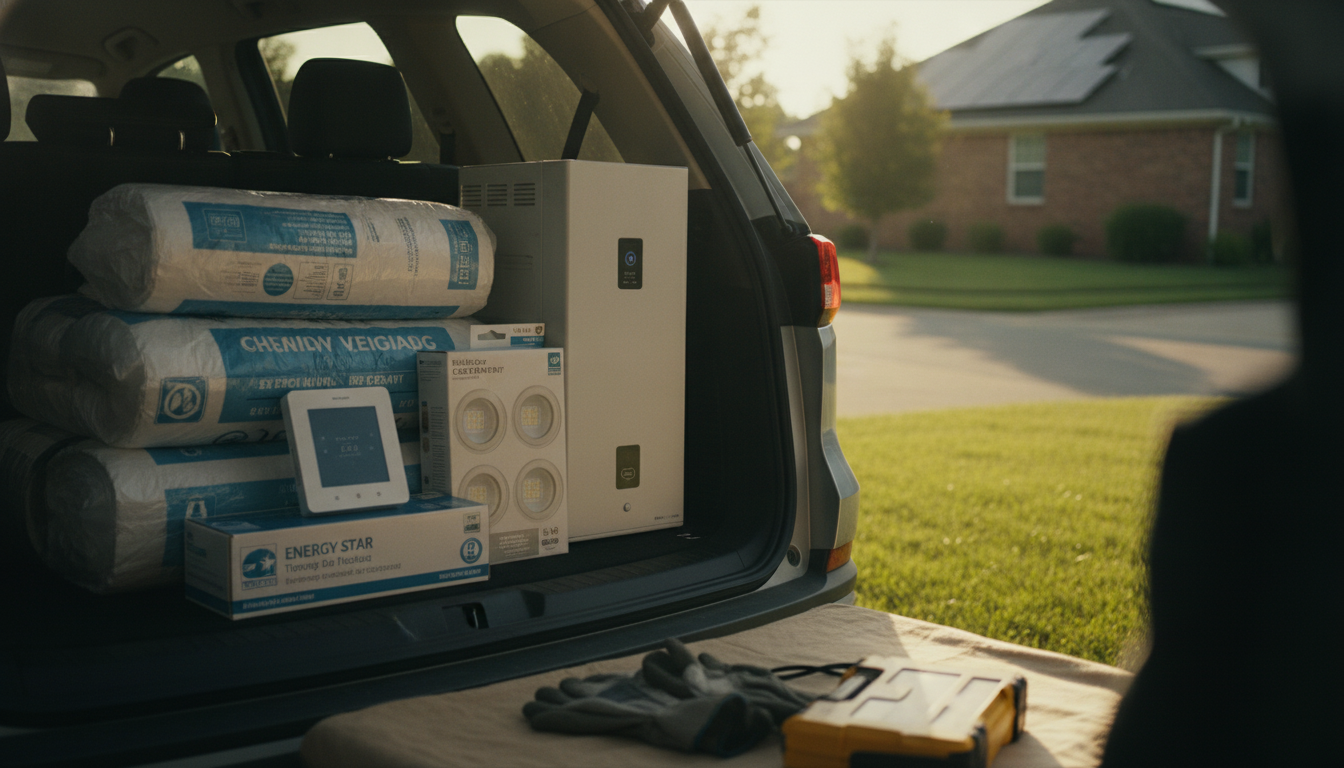
Energy-efficiency deductions generally apply to qualifying improvements made to a primary residence and, in some cases, to certain business buildings. The most common tax break for homeowners is the federal energy efficient home improvement credit (often discussed alongside “deductions,” even though it’s typically a credit). Eligible costs can include specific upgrades that reduce energy use, such as insulation, air sealing, energy-efficient exterior doors and windows, and certain high-efficiency heating and cooling equipment.
For many households, the biggest savings come from documenting the product eligibility and keeping itemized receipts for materials and installation. Manufacturers often provide certification statements for qualifying items, which helps support the claim if questions come up later.
Common upgrades that may qualify
Qualifying categories can change over time, but these are frequent contenders for energy-efficiency tax benefits:
- Building envelope improvements: insulation materials, air sealing, and some energy-efficient exterior windows, skylights, and doors.
- High-efficiency equipment: heat pumps, heat pump water heaters, central air conditioners, furnaces/boilers that meet specific efficiency thresholds, and certain biomass stoves.
- Home energy audits: in some situations, a qualifying professional audit may be credit-eligible.
- Renewable energy systems: solar electric (PV), solar water heating, geothermal heat pumps, small wind, and battery storage often fall under separate clean energy rules.
What usually does not qualify
Routine repairs, cosmetic updates, and standard appliances are commonly excluded. For example, replacing flooring, repainting, or buying a typical kitchen appliance generally isn’t treated as an energy-efficiency tax item unless it’s specifically covered by a current program.
How this relates to efficient equipment choices
Energy efficiency isn’t only about tax time—it can also shape purchasing decisions for equipment that’s used often. If you’re evaluating high-powered appliances for consistent performance and potentially lower waste over time, see the practical selection tips in this guide: https://hovira.com/guide-3000w-commercial-grain-mill-fast-consistent-flour-prep/.
FAQ
What records should you keep to claim an energy-efficiency tax benefit?
Save invoices and receipts showing purchase and installation costs, the product model information, and any manufacturer certification statements. Keep these documents with your tax records in case you need to substantiate eligibility and amounts claimed.











Leave a comment