

Black Opal Rarity: What Makes It So Uncommon?
Is black opal a rare stone?
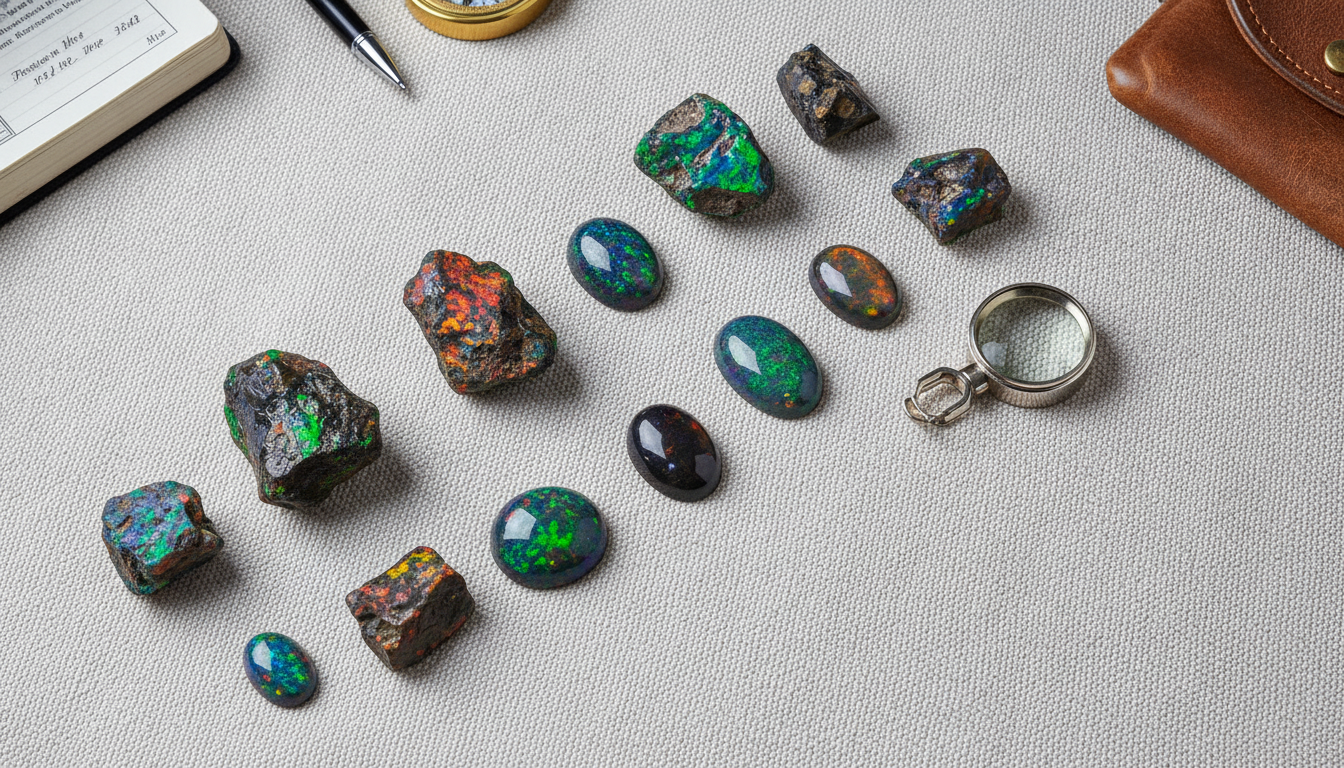
Yes—black opal is considered rare, especially compared with white or light opal. The term “black opal” refers to opal with a naturally dark body tone (often deep gray to jet black) that makes its play-of-color look brighter and more dramatic. That combination of vivid color plus a darker base is less commonly found in nature, which is why high-quality black opals can be hard to source and are often priced accordingly.
Rarity also depends on what, exactly, is being sold as “black opal.” True natural black opal is uncommon, while other materials—like dark boulder opal, smoked opal, or treated opal—may appear similar but don’t carry the same rarity or value. When shopping, it helps to ask how the stone gets its dark tone and whether any treatments were used.
What makes black opal rarer than other opals?
Most opal forms with a lighter body tone. Dark body tone opal is less frequent, and it takes exceptional conditions to produce stones that are both naturally dark and strongly colorful. The best black opals show broad, intense flashes (often red, orange, green, and blue) that remain visible in different lighting and angles—an uncommon mix of attributes in one gemstone.
Where is black opal found?
The most famous source is Lightning Ridge, Australia, known for producing natural black opal with high brightness and strong color. Black opal can also be found in other regions in smaller quantities, but the stones most people picture when they hear “black opal” are typically associated with Australian deposits.
How to shop for a black opal ring with confidence
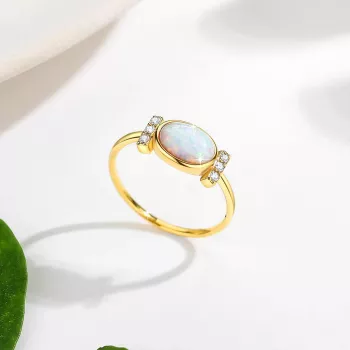
Focus on body tone, brightness, pattern, and durability factors like the setting style. Because opal is softer than many gemstones, secure settings and everyday-friendly designs matter. For a closer look at an opal ring style and practical buying details, visit this guide: 14k gold oval opal ring (6x8mm) guide.
FAQ
What is the difference between black opal and boulder opal?
Black opal has a naturally dark body tone throughout the opal material, while boulder opal forms in ironstone and is commonly cut with some host rock attached. Boulder opal can look dark because of the backing, but it’s categorized differently and priced based on its own traits.












Leave a comment