

Rust on Shower Caddies: Causes and How to Prevent It
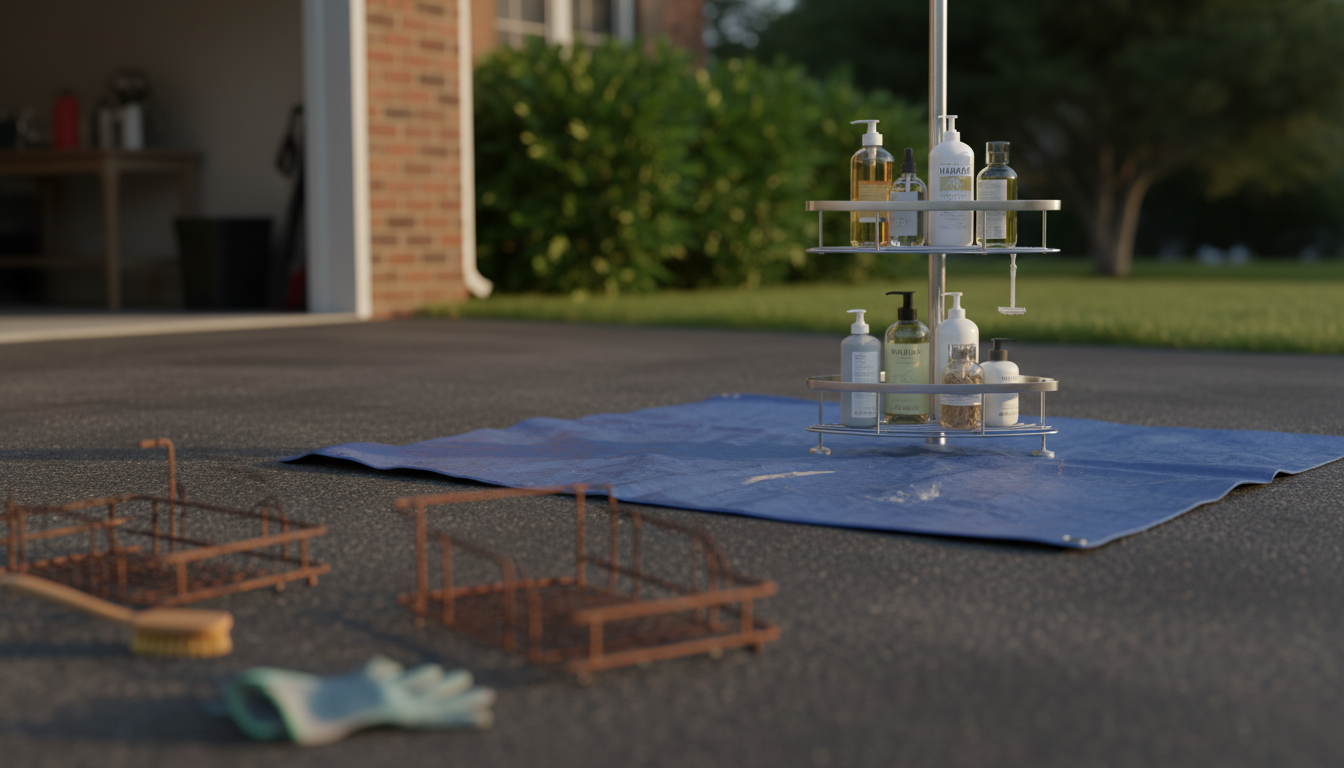
Is rust a problem with shower caddies?
Rust can be a real problem with shower caddies because the shower is a near-perfect environment for corrosion: constant moisture, warm air, soap residue, and limited airflow. Not every caddy will rust quickly, but many do—especially if the protective finish gets scratched or if water sits in seams, joints, and screw holes. Over time, rust can stain grout and tile, weaken shelves and welds, and leave rough spots that snag sponges or loofahs.
The good news is that rust isn’t inevitable. Many modern caddies are designed to resist corrosion with better materials and coatings, and a few simple habits can extend their life dramatically.
What causes a shower caddy to rust?
Most rust shows up when a caddy contains iron or steel and its coating is compromised. Small chips in paint or plating expose bare metal, and trapped water speeds up oxidation. Soap scum can also hold moisture against the surface, while hard-water minerals create deposits that make it harder for the caddy to dry fully.
Which shower caddies are most likely to rust?
Budget caddies made from low-grade steel with thin chrome plating are the most common culprits. They may look shiny at first, but the finish can wear through quickly in high-humidity bathrooms. Even stainless steel can develop corrosion in harsh conditions if it’s a lower grade or if residue is left to build up.
How to reduce rust risk in daily use
Choose a caddy that drains well and doesn’t trap water in corners or under shelf liners. Wipe it down occasionally, especially around joints and fasteners, and avoid abrasive cleaners that can scratch protective coatings. If your caddy uses tension or screws, check for areas where metal-on-metal rubbing can wear away the finish.
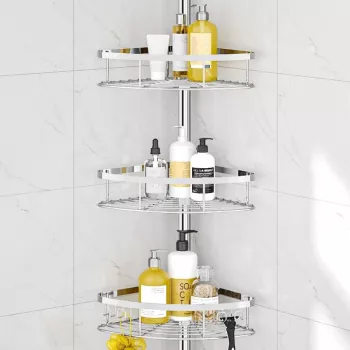
For a deeper breakdown of rust-resistant designs and what to look for when buying, see this guide to rustproof corner shower caddies with adjustable shelves.
FAQ
How do I stop my shower caddy from rusting?
Keep it as dry as possible by improving drainage and wiping it down weekly, especially at joints and seams. Use non-abrasive cleaning tools and remove soap buildup so moisture doesn’t stay trapped against the finish.
What is the best material for a shower caddy?
Aluminum and quality stainless steel are popular for wet environments, and some coated metals can also perform well if the finish is durable. The best choice also depends on drainage design and how easy the surface is to keep clean.
Will an aluminum shower caddy rust?
Aluminum doesn’t rust like steel because it doesn’t contain iron, but it can corrode in certain conditions. In most showers, it holds up well, especially when it’s anodized or properly coated.












Leave a comment