

Rustproof Corner Shower Caddy: Adjustable Shelves That Fit
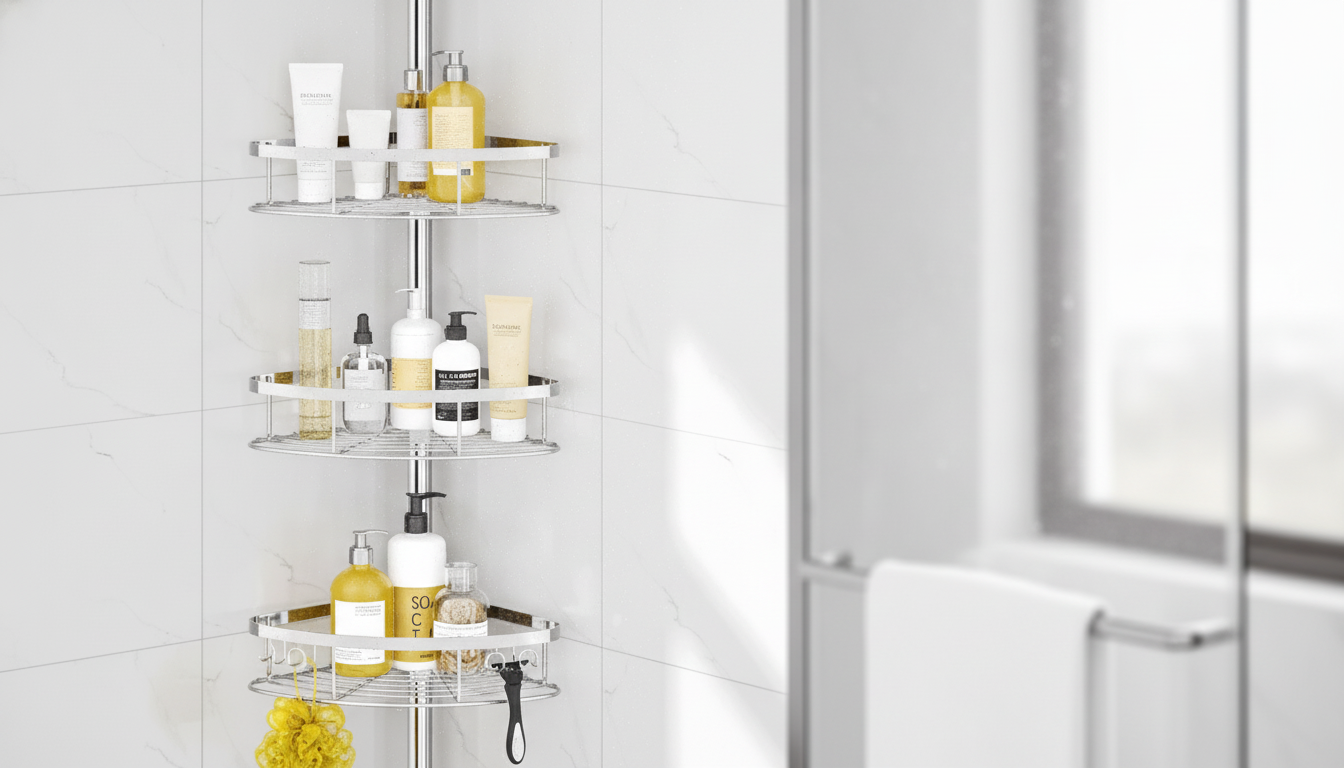
Rustproof Shower Corner Caddy with Adjustable Shelves: Tidy Storage That Stays Clean
A corner shower caddy can clear clutter quickly—until moisture, heat, and soap residue start wearing it down. A truly rustproof setup keeps your bottles elevated, improves drying, and helps the whole shower look cleaner with less daily effort. Below are the practical details that make the biggest difference: material choices, adjustable shelf benefits, measuring for fit, stability on wet surfaces, and simple care that preserves the finish. For more guidance, see 3 Best Shower Caddies of 2026, Tested by Experts.
What makes a corner shower caddy worth adding
A good corner caddy isn’t just a “holder” for shampoo—it’s a small upgrade that makes the shower easier to use and easier to keep clean. For further reading, see J&V TEXTILES Rustproof Shower Caddy Corner for Bathroom ….
- Keeps bottles off the floor and away from standing water that can cause grime rings and slippery surfaces
- Uses otherwise wasted corner space while leaving elbow room in smaller showers
- Creates “zones” for shampoo, body wash, face care, and razors so items stay easy to find
- Reduces visual clutter for a cleaner-looking shower
Rustproof basics: why showers ruin ordinary metal
Showers are a worst-case environment for many metals: warm humidity, frequent wet/dry cycles, and product residue that clings to surfaces. Over time, corrosion can start at joints, seams, and weld points—especially on racks that rely on thin plating or paint.
- Humidity + heat + frequent wet/dry cycles accelerate corrosion and can stain grout or tile
- Chrome-plated or painted steel can look fine initially, then chip or pit and begin rusting at joints and welds
- True corrosion resistance typically comes from stainless steel grades, aluminum, or well-engineered coatings designed for wet environments
- Drainage matters: even rust-resistant metals perform better when water doesn’t pool on shelves
Common shower caddy materials and how they handle moisture
| Material | Corrosion resistance in showers | What to watch for |
|---|---|---|
| Stainless steel | High (varies by grade and finish) | Cheaper grades can spot-stain; check joints and weld quality |
| Aluminum | High | Can scratch; ensure edges are finished smoothly |
| Coated steel | Medium to low (depends on coating) | Coating chips lead to rust; seams are weak points |
| Plastic | No rust | Can discolor; can flex under heavy bottles |
Why adjustable shelves change everyday usability
Adjustable shelves sound like a minor feature, but they solve the most common daily frustration: products that don’t fit. When shelf heights can move, you’re not forced to lay bottles sideways or waste vertical space between tiers.
- Custom spacing accommodates tall pump bottles, family-size shampoo, and shorter jars without wasted vertical space
- Helps prevent tipping by keeping heavier items lower and balancing weight across levels
- Allows reconfiguration as routines change (new products, guests, kids’ bath items)
- Makes it easier to keep essentials reachable while reserving upper tiers for refills or infrequent items
For a household with multiple users, adjustable tiers also make it simpler to create “shared” and “personal” zones—so items stop migrating to the tub ledge or shower floor.
Fit and compatibility: measuring before buying
Even a well-built caddy can disappoint if the corner is tight, curved, or crowded by fixtures. A two-minute measuring check can prevent wobble, crowding, or constant bumping while showering.
- Confirm corner type: square corners, rounded corners, or tighter angles in prefabricated shower stalls
- Measure vertical space from tub ledge or shower floor to the highest usable point to avoid crowding the showerhead or valve
- Check shelf depth so bottles fit without sticking out into the shower stream
- If installing in a tiled shower, prioritize designs that don’t require drilling unless explicitly desired
Quick measurement checklist
| What to measure | Why it matters |
|---|---|
| Corner width/depth | Ensures shelves sit fully in the corner without wobble |
| Available height | Prevents interference with fixtures and avoids cramped shelf spacing |
| Bottle heights | Guides shelf spacing so pumps and tall containers fit |
| Clearance to door/curtain | Prevents bumping shelves when entering or closing doors |
Stability in a wet environment: what to look for
In a slippery shower, stability is safety. A caddy that shifts can knock bottles down, create tripping hazards, or chip tile if something heavy falls.
- Anti-slip feet or stable contact points reduce shifting on slick tile
- Balanced load distribution keeps the caddy from leaning when one shelf is heavier
- Raised lips or guard rails help prevent bottles from sliding off during bumps
- Ventilated shelf design supports faster drying and reduces soap scum buildup
Care and upkeep: keeping it looking new
Product spotlight: Rustproof Shower Corner Caddy with Adjustable Shelves
At-a-glance details
| Item | Details |
|---|---|
| Product | Rustproof Shower Corner Caddy with Adjustable Shelves |
| Price | 59.51 USD |
| Availability | In stock |
| Product page | https://hovira.com/rustproof-shower-corner-caddy-with-adjustable-shelves/ |
For out-of-shower organization (travel toiletries, grooming tools, or backup items), pairing a shower caddy with a dedicated bag can keep the bathroom counter clearer. A compact option is Calvin Klein Men’s Pochette & Grooming Bag.
Setting it up for a smoother routine
FAQ
Is rust a problem with shower caddies?
Yes. Warm humidity, frequent wet/dry cycles, and soap residue can speed corrosion, especially on plated or coated steel where seams and joints are exposed. Rust can also stain grout or tile and shorten the caddy’s lifespan.
What shower caddies do not rust?
Stainless steel, aluminum, and plastic options resist rust, but real-world performance depends on construction quality, finish, and whether shelves drain well. Poor joints or water pooling can still lead to staining or deterioration over time.
How to keep a shower caddy from rusting?
Rinse and wipe it regularly, make sure water drains instead of pooling, and avoid abrasive cleaners that can damage protective finishes. After deeper cleaning, dry joints and corners, and periodically clean under bottles to prevent moisture-trapping residue.












Leave a comment