

Best Shower Caddy Material: Stainless Steel vs Others
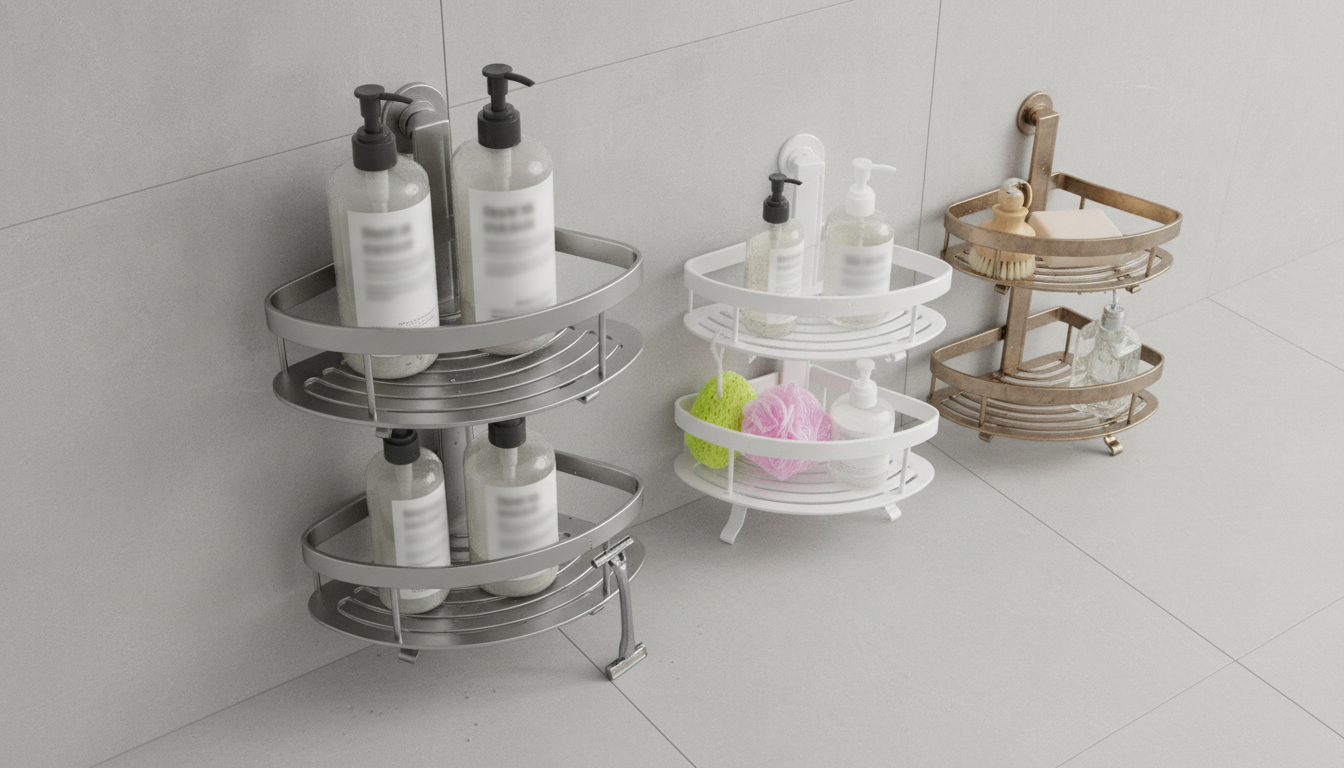
What is the best material for a shower caddy?
The best material for a shower caddy is rustproof metal—especially stainless steel—because it handles constant moisture without flaking, swelling, or weakening over time. In a steamy shower, even “water-resistant” finishes can eventually chip or wear through, so the base material matters as much as the coating.
Stainless steel: the top all-around pick
Stainless steel is a favorite for a reason: it resists corrosion, stays sturdy under the weight of full-size shampoo bottles, and is easy to wipe clean. It’s also less likely to pit or discolor compared to cheaper metals. Look for smooth welds, solid joints, and drainage-friendly wire or slatted shelves so water doesn’t pool.
Anodized aluminum: lightweight and corrosion-resistant
Anodized aluminum is another strong choice. It won’t “rust” like iron-based metals, and the anodized surface adds extra protection and a clean look. The tradeoff is that very thin aluminum can flex under heavy loads, so it’s best for lighter setups or for caddies designed with reinforced frames.
Coated steel: good value, but inspect the finish
Powder-coated or painted steel caddies can work well at a lower price point, but the coating is the weak link. Once scratched, chipped, or worn at corners and joints, moisture can reach the metal underneath and start corrosion. If choosing coated steel, pick a thicker, even coating and avoid sharp edges that rub against bottles or shower walls.
Plastic: won’t rust, but can feel less premium
Plastic caddies don’t corrode and are usually budget-friendly. However, they can stain, warp, or grow grimy in textured corners, and heavier bottles may cause sagging over time. If you go with plastic, choose a smooth, rigid design with plenty of drainage.
For a deeper dive into rustproof designs, mounting styles, and features that matter day-to-day, read the full guide here: https://hovira.com/guide-rustproof-corner-shower-caddy-adjustable-shelves/.
FAQ
How do you keep a shower caddy from getting moldy?
Pick a caddy with open-wire or slotted shelves for fast drainage, and rinse off soap residue regularly. Once a week, wipe it down and keep bottles from sitting in pooled water.












Leave a comment