

Silicone Baby Bottles: Why More Parents Are Switching
Why are parents switching to silicone baby bottles?
Parents are making the move to silicone baby bottles because they want feeding gear that feels simpler, safer, and easier to live with day after day. Our team hears the same priorities again and again: materials you can feel good about, fewer worries about breakage, and bottles that stand up to real-life use at home and on the go.
1) A material many families trust for everyday feeding
Food-grade silicone is widely chosen for baby feeding items because it’s naturally soft and flexible while still holding its shape. That “soft-touch” feel matters when you’re handling bottles multiple times a day, and it can be gentler during feeding compared with harder materials.
2) Durability that fits busy routines
Silicone bottles are popular in households that want something resilient. The flexibility helps reduce the stress that can come from drops and bumps, which is especially helpful once your baby starts grabbing, tossing, or practicing independent feeding.
3) Comfort and grip for parents and babies
Many parents like silicone because it’s easier to hold securely with wet hands, and it’s less slippery than some rigid bottle options. As your baby grows, a grippy bottle can also support early self-feeding by making it easier for little hands to manage.
4) Easy cleaning habits and fewer lingering odors
Parents often switch when they’re tired of bottles that seem to hold onto smells or stains over time. With silicone, the common approach is to wash promptly after feeds, use a bottle brush for seams, and let everything dry completely—small routines that help keep bottles tasting fresh for your baby.
5) A natural match with BPA-free feeding setups
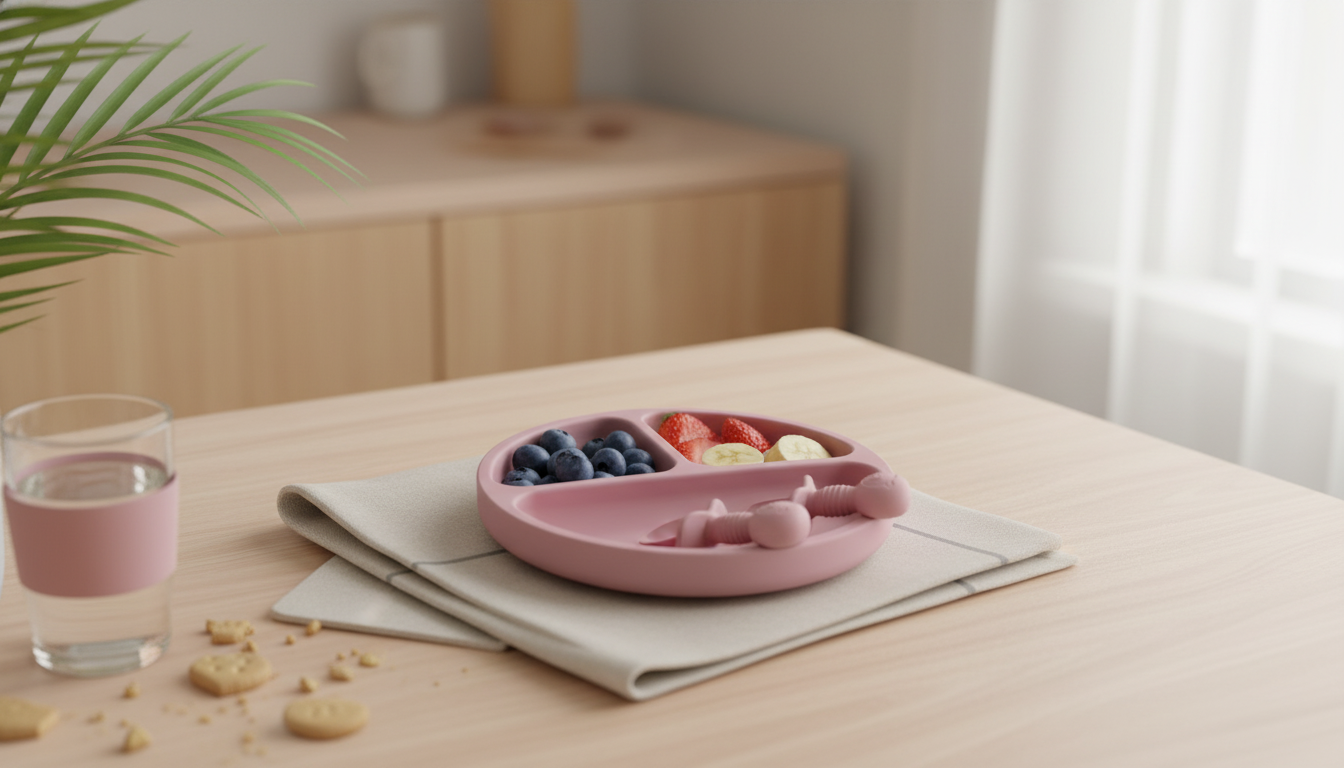
Families choosing silicone bottles are often building a wider BPA-free feeding routine—from bowls to utensils. If you’re putting together a cohesive set, our team recommends reading our guide to BPA-free silicone feeding essentials here: https://hovira.com/guide-bpa-free-silicone-baby-feeding-set-bowl-spoon-fork/.
Quick tips for choosing a silicone baby bottle
Prioritize food-grade silicone, a leak-resistant cap, and a nipple flow that matches your baby’s age and feeding pace. For cleaning, look for designs with fewer parts and wide openings, and replace nipples at the first signs of wear, stickiness, or cracks.
FAQ
How do I clean silicone baby bottles properly?
Wash with warm, soapy water after each use, scrubbing the inside and any seams with a bottle brush. Rinse thoroughly and let all parts dry completely before reassembling to help prevent odors and buildup.













Leave a comment