

Why Spoon Feeding Is Discouraged: Cues, Safety, Skills
Why is spoon feeding discouraged?
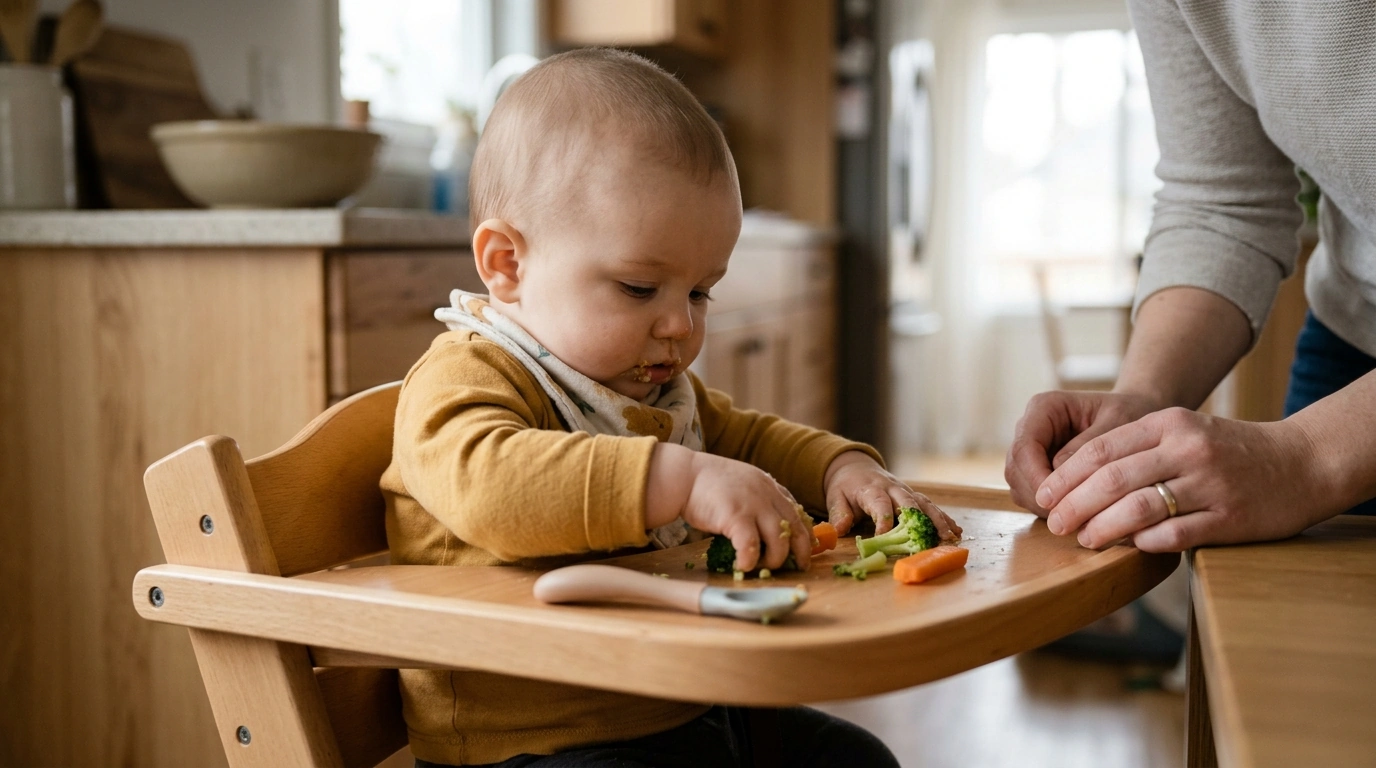
Spoon feeding is sometimes discouraged because it can make mealtimes more parent-led than baby-led. When an adult controls the pace and how much goes into a baby’s mouth, it’s easier to miss hunger and fullness cues, which can lead to overeating, frustration, or mealtime power struggles. Many families choose to shift toward responsive feeding—where you offer appropriate foods and your baby decides whether and how much to eat.
It can override hunger and fullness cues
Babies are naturally good at regulating intake when they’re allowed to lead. If you “just add one more bite,” distract to get bites in, or keep the spoon coming, your baby may learn to ignore the feeling of being full. Over time, that can make mealtimes harder and less pleasant for both of you.
It may increase mess, gagging, or choking risk when done too fast
Gagging is common while learning to eat, but a spoon placed too far back or offered too quickly can overwhelm a baby who isn’t ready for the next bite. A baby who self-feeds can pause, reset, and control the amount in their mouth, which supports safer pacing.
It can slow down self-feeding and oral skill development
Self-feeding helps babies practice bringing food to their mouth, moving it around, and learning to bite, chew, and swallow at their own speed. If most bites come from an adult-held spoon, babies may get fewer chances to build these skills and confidence.
A better middle ground: responsive spoon use
Our team often recommends “preloading” a spoon (placing a small amount of puree on it) and handing it to your baby to bring to their mouth. You can also offer a second spoon so you can model and your baby can imitate. Choosing soft, gum-friendly utensils and stable suction bowls can make independent eating easier; see our silicone feeding set guide here: https://hovira.com/guide-bpa-free-silicone-baby-feeding-set-bowl-spoon-fork/.
When traditional spoon feeding can still be appropriate
If your baby needs extra support, is tired, or you’re working through a feeding plan from a pediatric professional, spoon feeding can be useful. The key is staying responsive: offer small amounts, wait for clear “open mouth/lean in” signals, and stop when your baby turns away, closes their mouth, or becomes fussy.
FAQ
What are signs my baby is ready to self-feed?
Look for sitting with good support, bringing toys or hands to the mouth, showing interest in your food, and being able to grasp and hold items. Your baby should also be alert at mealtimes and able to turn their head away to refuse food.













Leave a comment