

7 Physical Signs of Severe Stress and When to Seek Help
What are 7 physical signs of severe stress?
Severe stress can affect more than your mood. It can disrupt your sleep, digestion, muscles, and energy levels, sometimes making everyday tasks feel harder. Seven physical signs to watch for are headaches, muscle tension, digestive problems, sleep changes, fatigue, a racing heart, and changes in appetite.
These symptoms are not specific to stress, and you do not need to experience all seven. New, persistent, or worsening symptoms deserve attention from a healthcare professional.
1. Frequent headaches
Stress can contribute to tension headaches, which may feel like pressure or tightness around your head. Headaches that occur more often, change in pattern, or interfere with your day are worth discussing with a clinician.
2. Muscle tension and pain
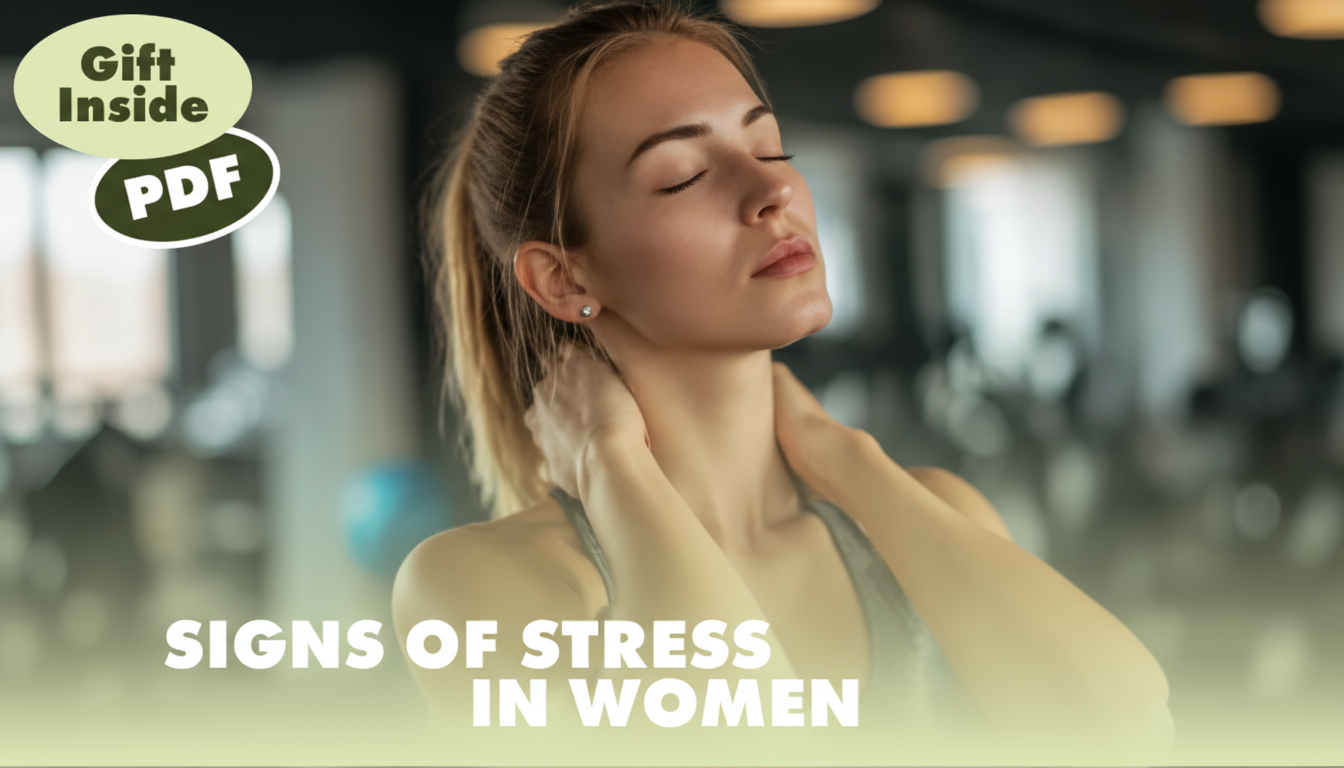
You may notice tight shoulders, a sore neck, back pain, or jaw clenching. Muscles can remain tense when your body is on alert, even after the immediate pressure has passed.
3. Digestive problems
Stress can affect the connection between your brain and digestive system. You might experience stomachaches, nausea, diarrhea, constipation, or a flare-up of existing digestive symptoms.
4. Trouble sleeping
Stress may make it difficult to fall asleep, stay asleep, or feel rested. Poor sleep can also make it harder to cope with stress the next day.
5. Ongoing fatigue
Feeling physically drained can accompany prolonged stress, especially when sleep is disrupted. Because fatigue has many possible causes, seek medical advice if it persists or affects your ability to function.
6. A racing heart or palpitations
During stress, you may notice your heart beating faster or feel it pounding. Palpitations can have other causes, so contact a healthcare professional if they are new, recurrent, or concerning. Seek emergency care for chest pain, severe shortness of breath, fainting, or symptoms that feel life-threatening.
7. Changes in appetite
Stress can make you less interested in food or lead you to eat more than usual. Significant or unexplained changes in appetite or weight are worth discussing with a clinician.
What can you do when stress feels overwhelming?
Start with a manageable step: take a short walk, practice slow breathing, or reach out to someone you trust. A journal or planner can help you notice patterns and organize immediate priorities. If symptoms persist or stress is disrupting your life, a healthcare or mental health professional can help you find support.
For a broader look at emotional, physical, behavioral, and cognitive changes, explore our guide to stress signs in women.
FAQ
When should you seek help for stress?
Seek professional help when stress or its symptoms persist, worsen, or interfere with daily life. Get urgent help for chest pain, severe breathing difficulty, fainting, or immediate safety concerns.












Leave a comment