

Stress Signs in Women Checklist: Emotional to Cognitive
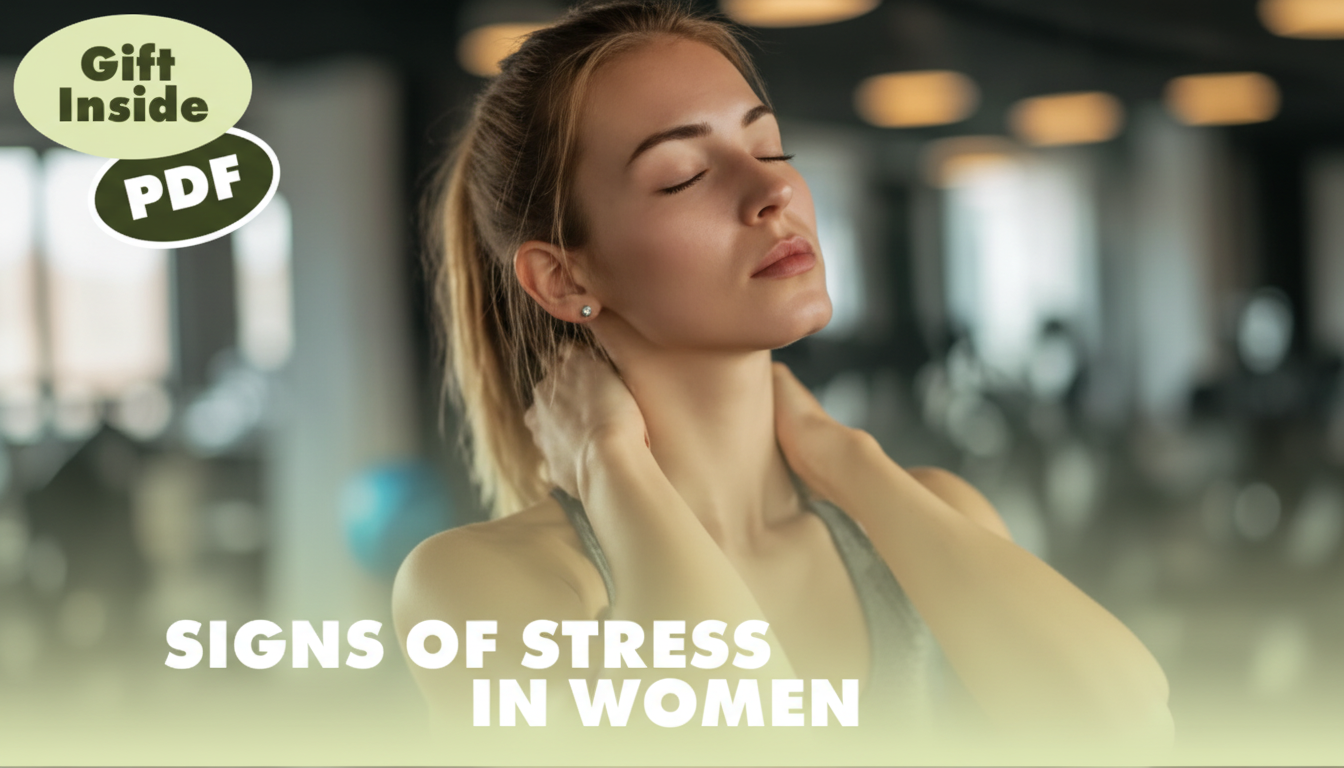
Checklist: Signs of Stress in Women (Emotional, Physical, Behavioral & Cognitive)
Stress can show up quietly—through mood shifts, body signals, changes in habits, or trouble thinking clearly. A simple checklist makes patterns easier to spot, especially when symptoms feel “normal” after weeks of pushing through. Use the sections below to recognize common signs, track what’s changing, and decide on supportive next steps.
Why stress can look different from person to person
Stress responses can vary widely depending on workload, caregiving demands, sleep quality, hormones, health conditions, and past experiences. Two people can face similar pressures and still show totally different signs—one may feel anxious and restless, while another feels numb, tired, or physically tense.
It also helps to remember that stress rarely stays in just one “lane.” Signs often cluster across emotions, the body, daily routines, and thinking patterns. When stress becomes chronic, gradual changes can blend into everyday life and feel like “this is just how things are.” Tracking patterns over time is usually more useful than judging a single hard day.
Emotional signs to watch for
Emotional stress signs can be subtle at first, then become louder when your system is overloaded. Common signs include:
- Irritability, impatience, or feeling easily overwhelmed by small tasks
- Anxiety, dread, or persistent worry that’s difficult to shut off
- Low mood, tearfulness, or feeling emotionally “numb”
- Feeling guilty for resting, or pressure to be productive all the time
- Reduced enjoyment in things that usually feel comforting or fun
- Sensitivity to criticism or increased defensiveness
If you notice these showing up more often, try noting what’s happening right before the shift (deadlines, conflict, too much screen time, skipped meals, poor sleep). That context can be as important as the feeling itself.
Physical signs (body cues that stress may be building)
The body often signals stress before the mind fully catches up. Some people notice pain and tension; others notice sleep disruption or digestive changes. Common physical signs include:
- Tension headaches, jaw clenching, neck/shoulder tightness, or back discomfort
- Stomach upset, nausea, heartburn, appetite shifts, or changes in bowel habits
- Sleep changes: trouble falling asleep, waking often, or feeling unrefreshed
- Fatigue that doesn’t match activity level, or needing more caffeine to function
- Heart racing, shortness of breath, sweaty palms, or feeling “on edge” in the body
- Changes in skin (breakouts, itching), frequent colds, or slower recovery
- Menstrual changes can occur with stress; new or severe changes should be discussed with a clinician
For a deeper look at how stress affects health and functioning, these references can be helpful: American Psychological Association (APA) on stress and National Institute of Mental Health (NIMH) resources.
Behavioral signs (how stress changes routines and relationships)
Stress can quietly reshape your routines—often in ways that make stress worse over time. Watch for behavior shifts such as:
Sometimes “self-care” needs to be simpler than it sounds: a real lunch, a 10-minute walk, or putting on something comfortable that signals you’re allowed to downshift. If cozy layers help create that boundary between work mode and rest, the Women’s Abstract Print Loose Hoodie is an easy, wearable reset for errands, lounging, or decompressing after a long day.
Cognitive signs (stress effects on thinking)
Quick self-check: common patterns across four areas
| Area | Common signs | Helpful notes to track |
|---|---|---|
| Emotional | Irritability, anxiety, low mood, numbness | Rate intensity (0–10) and note top triggers |
| Physical | Sleep trouble, tension, stomach upset, fatigue | Record sleep hours, caffeine, and pain/tension spots |
| Behavioral | Overworking, withdrawal, overeating/undereating, more conflict | Track routines (meals, movement, breaks) and social contact |
| Cognitive | Brain fog, racing thoughts, forgetfulness, poor focus | Note time of day and tasks that feel hardest |
How to use a checklist without adding more pressure
Small environmental cues can make follow-through easier. If you’re building a calmer routine, creating a “reset corner” for tea, vitamins, or journaling can help. The Modern Glass Storage Jar with Golden Butterfly – Elegant Home Decor is a simple way to keep essentials visible and tidy, which can reduce daily friction when your bandwidth is low.
When to seek extra support
Seek urgent medical help for severe, new, or concerning physical symptoms (such as chest pain, fainting, or significant unintentional weight change). Thoughts of self-harm or feeling unsafe require immediate professional help or emergency services. A clinician can also help rule out medical causes and discuss therapy, stress management strategies, and treatment options. For a broad overview of stress and wellbeing, visit the World Health Organization (WHO).
Digital download: what the checklist includes and how it helps
If you want a structured way to spot patterns quickly, the Checklist: Signs of Stress in Women (digital download) is designed for fast, practical reflection. It covers emotional, physical, behavioral, and cognitive signs, with prompts that work well for journaling or preparing for appointments.
FAQ
How can stress symptoms in women show up differently than expected?
Stress can show up as irritability, fatigue, sleep disruption, stomach symptoms, brain fog, and shifts in habits—sometimes more than obvious anxiety. Patterns across multiple areas (emotional, physical, behavioral, and cognitive) are often more meaningful than one isolated symptom.
How often should the checklist be used?
A quick daily scan can work if it feels easy, but a weekly check-in is often enough to spot trends over 2–4 weeks. If tracking feels overwhelming, reduce the frequency or focus on one area like sleep or mood.
Is this checklist a substitute for medical or mental health care?
No—it’s an awareness and tracking tool, not a diagnosis. Seek professional support for persistent, severe, or concerning symptoms, and get urgent help right away if you feel unsafe or have alarming physical symptoms.














Leave a comment