

4 Record Speeds Explained: 16, 33 1/3, 45 & 78 RPM

What are the four record speeds?
The four record speeds are 16 RPM, 33 1/3 RPM, 45 RPM, and 78 RPM. “RPM” means revolutions per minute—how fast the turntable platter spins—so using the correct speed is what keeps music and voices sounding natural instead of too slow, too fast, or off-pitch.
16 RPM
16 RPM is the slowest of the common speeds and is mostly seen on older specialty releases, such as spoken-word records or background music collections. It’s not widely used today, and many modern turntables skip it, but some multi-speed models still include it for collectors.
33 1/3 RPM
33 1/3 RPM is the standard speed for most full-length albums (LPs). If you’re playing a 12-inch record with multiple songs per side, it’s very often meant for 33 1/3 RPM.
45 RPM
45 RPM is most commonly used for 7-inch singles and some 12-inch “45s” or maxi-singles that favor louder cuts and potentially higher fidelity per song. Many 45s also require a 45 adapter to fit the larger center hole.
78 RPM
78 RPM is associated with older shellac records, typically from the early-to-mid 1900s. These discs often need a dedicated 78 stylus (different tip size than LP/45 needles) to play properly and avoid excessive wear.
How to choose the right speed
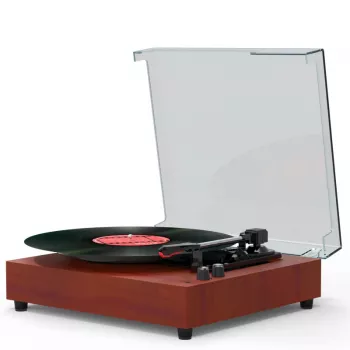
Start by checking the label on the record or any jacket notes—speed is usually printed near the center label. If it isn’t, size can be a clue (12-inch albums often use 33 1/3; 7-inch singles often use 45), but there are exceptions, so the label is the safest guide. For more on picking a multi-speed setup and matching it with the right stylus and features, see the full guide here: https://hovira.com/guide-3-speed-record-player-with-speakers-headphone-jack-audio-technica-stylus/.
FAQ
Do I need a different needle to play 78 RPM records?
Often, yes. Many 78s need a dedicated 78 stylus because the grooves are wider than modern LPs and 45s, which helps reduce distortion and protects both the record and the stylus.











Leave a comment