

Ripping Chain for Chainsaw Mills: Best Chain Types

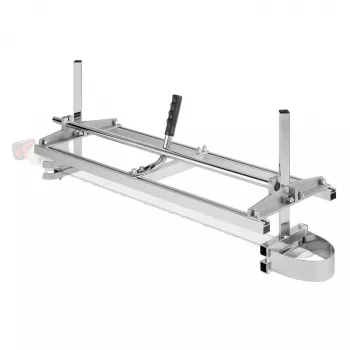
Do I need a ripping chain for a portable chainsaw mill, and what chain type works best for milling lumber?
You don’t strictly need a ripping chain to use a portable chainsaw mill, but it’s strongly recommended if you plan to mill more than a couple of boards. A standard crosscut chain is designed to slice across wood fibers quickly (like bucking firewood), while milling is a long cut with the grain. That difference changes how smoothly the saw tracks, how hard the engine works, and how clean the slab comes out.
For most milling setups, a ripping chain (often 10° top-plate filing angle instead of the typical 25°–35°) is the best all-around choice. It tends to produce a flatter surface, reduces chatter, and puts less strain on the powerhead during extended passes. The result is more consistent thickness and fewer deep scoring marks—especially noticeable when you’re making wide cuts with a longer bar.
When a standard chain can still work
If you’re milling occasionally, working with smaller logs, or just testing a new portable mill, a sharp standard chain can get the job done. Expect slower feed rates, more vibration, and rougher faces that require extra planing. It’s also more likely to “hunt” in the cut if the cutters aren’t perfectly matched side to side.
Best chain types for milling lumber
Ripping chain (best for most users): Optimized for long-grain cuts, smoother finish, steadier cutting, and better control on wide slabs.
Skip-tooth ripping chain (best for long bars and big wood): Fewer cutters means more room for chips to clear, which can help on 28–36 inch bars or when milling softer, stringy species. It can feel faster and run cooler, though the finish may be slightly rougher than a full-complement ripping chain.
Full-complement ripping chain (best for surface quality): More cutters can improve surface consistency, but it loads the saw more and may clear chips less efficiently on very long cuts.
For more setup tips—like matching bar length, choosing adjustable thickness, and dialing in your mill for straight cuts—see the complete guide here: portable chainsaw mill guide.
FAQ
What bar length is best for a portable chainsaw mill?
Choose a bar that gives you the cutting width you need while still matching your saw’s power—longer bars mill wider slabs but demand more torque and slower feed rates. Many users find a mid-length bar is the easiest balance for control, speed, and reliability.













Leave a comment