

1300W Portable Magnetic Drill Press With Cooling Device
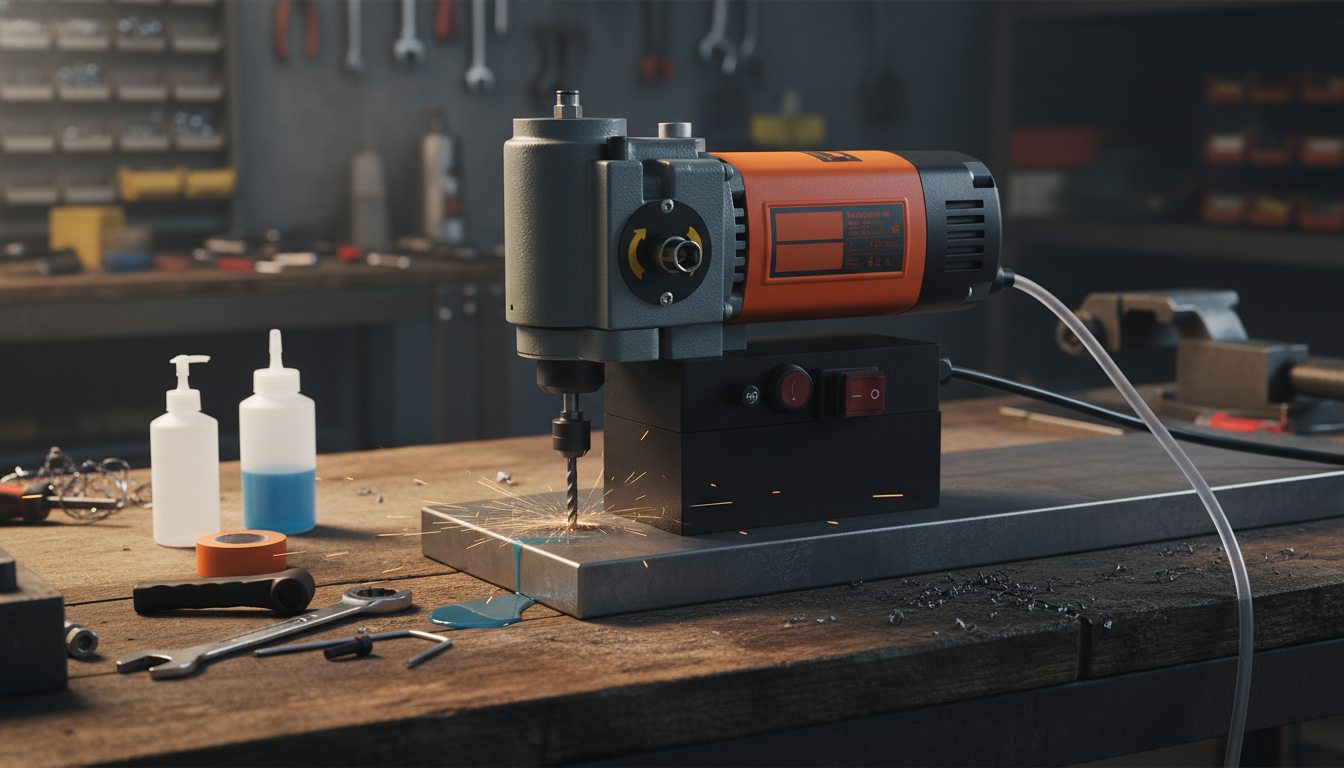
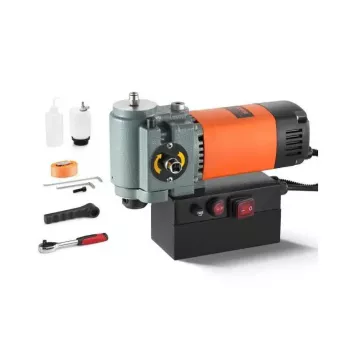
Portable Magnetic Drill Press 1300W with Cooling Device – Lightweight & Efficient
A portable magnetic drill press is made for accurate holemaking in steel and other ferrous metals when bringing the work to a stationary drill press isn’t realistic. This 1300W model combines a strong magnetic base with a cooling device to support cleaner cuts, steadier performance, and longer bit life during demanding jobs. Its lightweight, efficient design fits fabrication, field installation, maintenance, and tight working positions—while still aiming for consistent hole quality and safer control on vertical or overhead surfaces when used correctly.
What a portable magnetic drill press does
Instead of relying on clamps or a vise, a mag drill “locks” onto ferrous metal using a magnetic base. That stable hold allows a guided feed straight into the workpiece, which can make a noticeable difference in accuracy and finish—especially when drilling thicker steel or when hole placement has tight tolerances.
- Creates accurate holes in metal by locking onto ferrous surfaces using a magnetic base.
- Helps reduce walking and chatter compared with freehand drilling, particularly on heavier sections.
- Common jobsite uses include structural steel, plate work, equipment repair, and onsite fabrication (pipe work requires proper fixtures).
- Works best on clean, flat, sufficiently thick ferromagnetic material to maximize holding force.
- The cooling device supports heat management for smoother cutting and improved tool longevity.
Key features that matter on the job
Real-world performance comes down to stability, power delivery under load, and how well heat and chips are managed at the cutting edge. This is where a 1300W portable magnetic drill press with cooling support can earn its keep on repetitive hole patterns and field installations.
- 1300W motor power: supports steady drilling under load and helps maintain cutting speed when the cutter engages.
- Magnetic base: stabilizes the drill press for more controlled feed and improved repeatability.
- Cooling device: helps manage heat at the cutting edge, which can improve finish and reduce premature dulling.
- Portable, lightweight build: easier to transport and position on-site, including awkward placements.
- Efficient operation: helps reduce downtime from repositioning and rework when holes must align precisely.
Cooling device: why it changes drilling results
Heat is one of the fastest ways to lose time and consume tooling—overheated cutters dull early, chip poorly, and can leave rougher holes. Cooling support helps keep the cutting edge operating in a more controlled temperature range, which supports consistent chip formation and steadier progress on longer drilling cycles.
Cooling works best as part of a complete approach: correct RPM, steady feed pressure (not forced), and the right cutter/bit type for the material. Just as important, keep any coolant paths clear so flow reaches the cutting point when it matters most.
Cooling benefits during metal drilling
| Drilling factor | Without cooling support | With cooling support (typical impact) |
|---|---|---|
| Bit temperature | Rises quickly on long cuts | More controlled heat at the cutting edge |
| Bit life | Can shorten if overheated | Often extended with better heat management |
| Hole finish | More likely to burr or chatter | Often smoother with steadier cutting |
| Work pace | May require pauses | More continuous drilling on repeated holes |
| Chip control | Chips can smear when hot | Cleaner chips when parameters are correct |
Lightweight and portable: when it’s a real advantage
Portability isn’t just about carrying the tool—it’s about placing the drill where the work already is. On structural steel, large frames, or installed equipment, moving the workpiece may be impossible. A lighter mag drill can reduce setup friction so more time goes into accurate holemaking rather than staging and repositioning.
- Easier setup on beams, columns, and large assemblies where moving the workpiece isn’t feasible.
- Faster repositioning between holes on long steel members and repetitive layouts.
- Improved handling in confined areas compared with bulkier equipment.
- Reduced fatigue for technicians who relocate the tool frequently across a site.
- Still requires safe lifting habits and stable footing; portability should never compromise positioning control.
Safety and best practices for magnetic drilling
Mag drilling is safest when the setup treats holding force, tool control, and chip management as priorities. For general guidance on safe use of hand and power tools, review OSHA’s resources and align procedures with your workplace requirements.
For a broader workplace risk-reduction framework, NIOSH’s overview of the Hierarchy of Controls is a useful reference, and OSHA’s Hand and Power Tools page provides general safety guidance.
Setup checklist for cleaner, more accurate holes
Product overview and quick specs to confirm before buying
In-stock picks
- Portable Magnetic Drill Press 1300W with Cooling Device – Lightweight & Efficient (In stock, $500.32)
- Modern Glass Storage Jar with Golden Butterfly – Elegant Home Decor (In stock, $25.97)
FAQ
Will a magnetic drill press work on stainless steel or aluminum?
Magnetic bases need ferromagnetic material for holding force, so many stainless grades and aluminum won’t provide a reliable magnetic grip. If a backing plate or fixture is used, it must be properly engineered and verified for secure holding before drilling.
Do cooling devices replace the need for cutting fluid?
A cooling device typically supports heat management and may deliver coolant, but it doesn’t eliminate the need for the right cutting fluid/coolant for the material and cutter. Best results still depend on correct speed, steady feed, and appropriate tooling.
Is it safe to drill vertically or overhead with a magnetic drill press?
It can be done when correct procedures are followed: a clean, flat seating surface, sufficient material thickness, a safety strap/tether, stable footing, and adherence to the manufacturer’s guidance. Extra caution is required to secure the tool in case of power loss or surface issues.













Leave a comment