Adorable Dinosaur Dog Costume: Fit, Comfort & DIY Tips
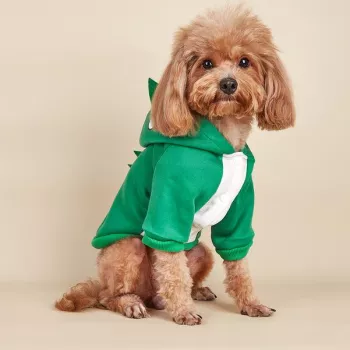
Adorable Dinosaur Dog Costume: A Comfy, Camera-Ready Look for Playtime and Parties
A dinosaur outfit can turn a regular walk, pet party, or photo session into a standout moment—without sacrificing comfort. The best costumes feel light, fit cleanly, and let your dog move naturally, so the “cute factor” doesn’t come with stress. Below are the practical details that matter most: what makes a dinosaur costume wearable, how to measure for a fuss-free fit, quick training tips for first-time costume wearers, and a few easy DIY ideas when plans pop up last-minute.
What Makes a Dinosaur Costume Work Well for Dogs
The most successful costumes look fun while staying out of the way of normal dog things: breathing, sniffing, walking, and going potty. When comparing options, prioritize these features:
- Comfort first: lightweight fabric, soft edges, and no rough seams near the armpits, neck, or belly.
- Easy on/off: closures that open wide and don’t require pulling over the head for long.
- Freedom to move: enough room for a natural stride, sitting, and sniffing without restriction.
- Unobstructed basics: nothing covering eyes, nose, mouth, ears, or whiskers; avoid tight hoods.
- Potty-friendly design: clear space around the tail and rear so it stays wearable on walks.
- Visibility: brighter colors or reflective add-ons help outdoors at dusk.
If the costume includes “spikes,” a tail, or decorative ridges, soft and flexible is the goal—stiff pieces can snag on furniture or tempt chewing during play.
Adorable Dinosaur Dog Costume at a Glance
If you want a quick, photo-ready look without complicated setup, the Adorable Dinosaur Dog Costume is designed for playful dress-up and easy snapshots. It’s a great match for short events, indoor play, and supervised outdoor moments, especially when paired with a simple accessory like a leash bow or bandana for a complete theme.
- A playful dinosaur-themed look designed for quick dress-up and photos
- Best for short events, indoor play, and supervised outdoor moments
- Pairs well with simple accessories like a leash bow or bandana to complete the theme
- Great for seasonal events (costume parties, holidays, birthdays) and everyday fun
Quick Checklist Before Buying
| Check | What to confirm | Why it matters |
|---|---|---|
| Size range | Neck, chest, and back length match a size chart | Prevents rubbing and reduces slipping |
| Closure style | Velcro/strap/zip placement is easy to access | Faster dressing and less stress |
| Mobility | Leg openings allow full stride and sitting | Keeps play and walking comfortable |
| Breathability | Fabric isn’t overly thick; room for airflow | Helps reduce overheating |
| Safety details | No small detachable parts; no tight hood | Avoids choking hazards and discomfort |
Sizing and Fit: Getting the Cute Look Without the Fuss
Most costume problems come down to fit. Too loose and it twists; too tight and your dog freezes, scratches, or refuses to walk. Use these steps to dial it in:
- Measure three points: neck (where a collar sits), chest/girth (widest part), and back length (base of neck to base of tail).
- If between sizes, prioritize chest/girth: a costume that’s too tight in the chest restricts movement and breathing.
- Aim for two-finger space under straps/closures to prevent pressure while staying secure.
- For fluffy coats, measure with fur lightly compressed; for short coats, measure snug but not tight.
- Do a movement test: your dog should be able to walk, sit, and lie down without the costume twisting.
For dogs that dislike anything near their head, look for styles that open wide at the chest or belly so dressing is more like “wrap and secure” than “pull and wiggle.”
Helping a Dog Get Used to Wearing a Costume
A little conditioning goes a long way—especially for first-timers. Keep it upbeat and brief so the costume becomes a normal, no-big-deal item.
- Start with short sessions (30–60 seconds), reward, and remove before your dog gets annoyed.
- Practice indoors first where there are fewer distractions and more traction underfoot.
- Pair it with calm treats or a favorite toy; stop if there’s freezing, pawing, or frantic scratching.
- Keep the first real outing brief and supervised—especially around other pets and kids.
- Watch for overheating: panting, drooling, or restlessness; remove the costume and offer water.
For seasonal events like Halloween, it’s also smart to follow established pet safety guidance. The ASPCA Halloween Safety Tips and AVMA Halloween Pet Safety pages both emphasize supervision, avoiding choking hazards, and keeping pets comfortable in crowds.
When and Where to Use It
Dinosaur costumes shine when the setting is controlled and the schedule includes breaks. A few easy wins:
Care and Storage Tips
If you like keeping pet accessories organized for travel or party days, a compact organizer can help separate costume pieces from treats, wipes, and extra tags—like the Calvin Klein Men’s Pochette & Grooming Bag used as a general carry-all.
Simple DIY Alternatives for a Dinosaur Look
FAQ
How to make a DIY dinosaur costume?
Create a row of soft spikes along the back of a hoodie or cape, add a tail made from stuffed fabric, and keep leash access clear. Prioritize breathability and full movement over extra details that can snag or irritate.
How to DIY a dog costume?
Start with a comfortable base layer like a hoodie, T-shirt, or bandana, then add lightweight elements such as felt shapes or fabric paint. Keep the rear and legs unobstructed and introduce it gradually with short, rewarded sessions.
How to make a dinosaur costume without sewing?
Use a dog hoodie or harness cover as the base, cut soft felt spikes, and attach them with fabric-safe adhesive or Velcro strips. Keep pieces lightweight, avoid tight areas around the neck, and supervise in case your dog tries to chew or loosen parts.












Leave a comment