

Beginner Retinol Routine for Brighter, Smoother Skin
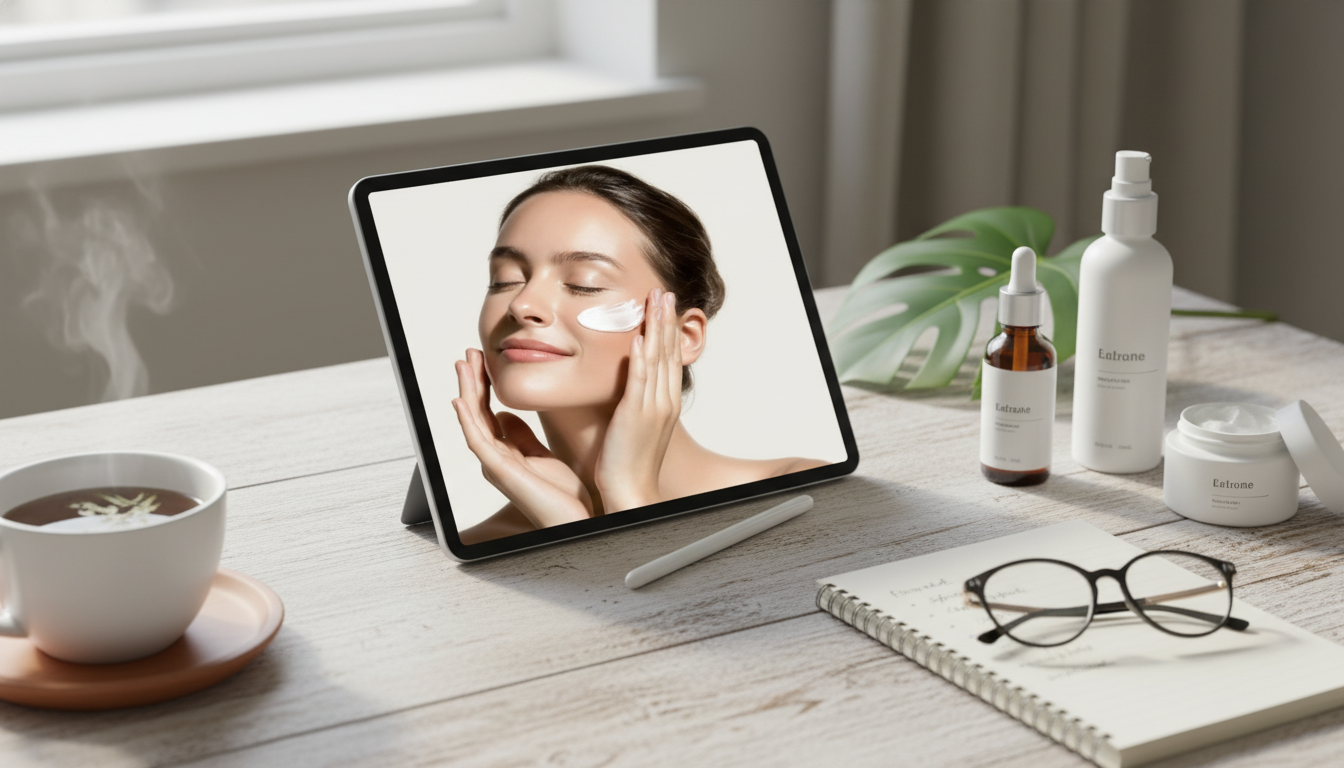
Radiant Reveal: A Simple Retinol Routine for Smoother, Brighter Skin
Retinol can be a game-changer for texture, tone, fine lines, and breakouts—yet it’s also one of the easiest skincare ingredients to overdo. A steady, beginner-friendly approach helps you get the glow without the spiral of stinging, peeling, and giving up. Below is a clear way to understand what retinol does, start slowly, build a simple routine around it, and handle common hiccups so results stay on track.
Retinol, Retinoids, and What They Actually Do
Retinol is a vitamin A derivative that helps encourage skin cell turnover and supports collagen function over time. It’s part of a larger family called “retinoids,” which includes stronger prescription options.
- Retinoids is the umbrella term; retinol is typically gentler than prescription-strength retinoids.
- Common benefits include smoother-looking texture, fewer clogged pores, more even-looking tone, and a softened look of fine lines.
- Results are gradual: some early changes may show up within a few weeks, but bigger shifts often take 8–12+ weeks of consistent use.
For a dermatology overview and practical usage tips, the American Academy of Dermatology is a reliable starting point.
Is Retinol a Good Fit for Your Skin Goals?
Retinol tends to shine when your goals involve long-term refinement rather than overnight fixes.
- Acne-prone skin: retinol can help reduce comedones (clogged pores) and support clearer-looking skin when introduced slowly.
- Dullness and uneven tone: consistent use can help refine surface texture and improve the look of hyperpigmentation over time.
- Early signs of aging: supports smoother-looking skin and a firmer-looking texture with long-term use.
- When to be cautious: very reactive skin, a compromised barrier, recent peels/laser, or active dermatitis—stabilize the barrier first.
If you’re using prescription treatments (or considering them), safety and coordination matter. References like MedlinePlus guidance on topical tretinoin can help you understand cautions and proper use.
How to Start Retinol Without Overdoing It
The most common mistake is jumping in too often, too fast. A simple rule that keeps most beginners comfortable: increase frequency before increasing strength.
- Start low and slow: choose a beginner-friendly strength and build tolerance over weeks.
- Use at night on dry skin: damp skin can increase absorption and make irritation more likely.
- Use a pea-sized amount: that’s enough for the full face; avoid layering extra on “problem areas.”
- Try buffering if needed: moisturizer before and after retinol (“sandwich method”) can reduce dryness and stinging.
- Keep the rest of your routine gentle: fragrance-free cleanser, simple moisturizer, and daily sunscreen for the first month.
Beginner retinol schedule (example)
| Week | Frequency | How to apply | What to watch for |
|---|---|---|---|
| Weeks 1–2 | 1–2 nights/week | Pea-size on dry skin; moisturize after (or sandwich) | Mild dryness or light flaking is common; burning and swelling are not |
| Weeks 3–4 | 2–3 nights/week | Keep the same amount; avoid adding other strong actives | Persistent stinging, cracking, or redness means scale back |
| Weeks 5–8 | 3–5 nights/week (as tolerated) | Maintain gentle cleanser + moisturizer + sunscreen | If irritation returns, drop back to the last comfortable frequency |
| After 8+ weeks | Maintain or adjust | Increase strength only if skin is comfortable for several weeks | Consistency beats intensity |
A Simple Routine That Pairs Well With Retinol
A calm, repeatable routine makes it easier to spot what’s working—and what’s causing irritation.
Night routine
Cleanse → (optional hydrating serum) → retinol → moisturizer.
- Keep cleansing gentle; avoid “squeaky clean” formulas that leave skin tight.
- Supportive ingredients that often pair well: ceramides, glycerin, hyaluronic acid, niacinamide.
- At first, avoid using retinol on the same night as strong exfoliating acids (AHA/BHA), high-strength vitamin C formulas, or harsh scrubs.
Morning routine
Cleanse (or rinse) → moisturizer → broad-spectrum sunscreen SPF 30+.
Sunscreen is non-negotiable. Retinoids can increase sun sensitivity and make irritation look worse without daily UV protection. (If you want a second clinical reference, the NHS tretinoin overview covers general cautions and practical considerations.)
Handling Dryness, Purging, and Irritation
Some adjustment is normal; persistent discomfort is a sign to change course.
- Dryness and flaking: reduce frequency, use a richer moisturizer, and avoid foaming/stripping cleansers.
- “Purging” vs. breakout: retinoids can bring microclogs to the surface; new pimples often show up where you usually break out and settle within weeks as skin adjusts.
- Irritation signs to take seriously: burning that lasts, swelling, hives, or raw patches—pause use and consider professional advice.
- Easy reset plan: stop retinol for several days, focus on barrier care (gentle cleanser + moisturizer + sunscreen), then restart at a lower frequency.
- One change at a time: avoid stacking multiple new products while you’re building tolerance.
Retinol Safety Notes and When to Get Guidance
A Beginner-Friendly Retinol Reference to Keep on Hand
- Radiant Reveal: Your Simple Guide to Retinol Skincare Magic | Retinol Skincare eBook, Retinol Guide for Beginners, Digital Download PDF
- Elegant Cork Stopper Glass Storage Jar – Transparent Food & Tea Container (a simple way to keep cotton rounds or skincare tools neatly organized on a vanity)
FAQ
How often should a beginner use retinol?
Start 1–2 nights per week for 2 weeks, then increase to 2–3 nights per week if your skin stays comfortable. Increase frequency before strength, and scale back if irritation shows up.
Can retinol be used with vitamin C or exfoliating acids?
Many people separate strong actives: vitamin C in the morning and retinol at night. Introduce acids slowly and avoid combining them with retinol on the same night until your skin is stable.
What should be applied after retinol?
A simple, fragrance-free moisturizer is typically best. Barrier-supporting ingredients like ceramides and glycerin can reduce dryness and help skin feel more comfortable.













Leave a comment