

Cactus Litter Scooper + Holder: Less Mess, Easy Storage
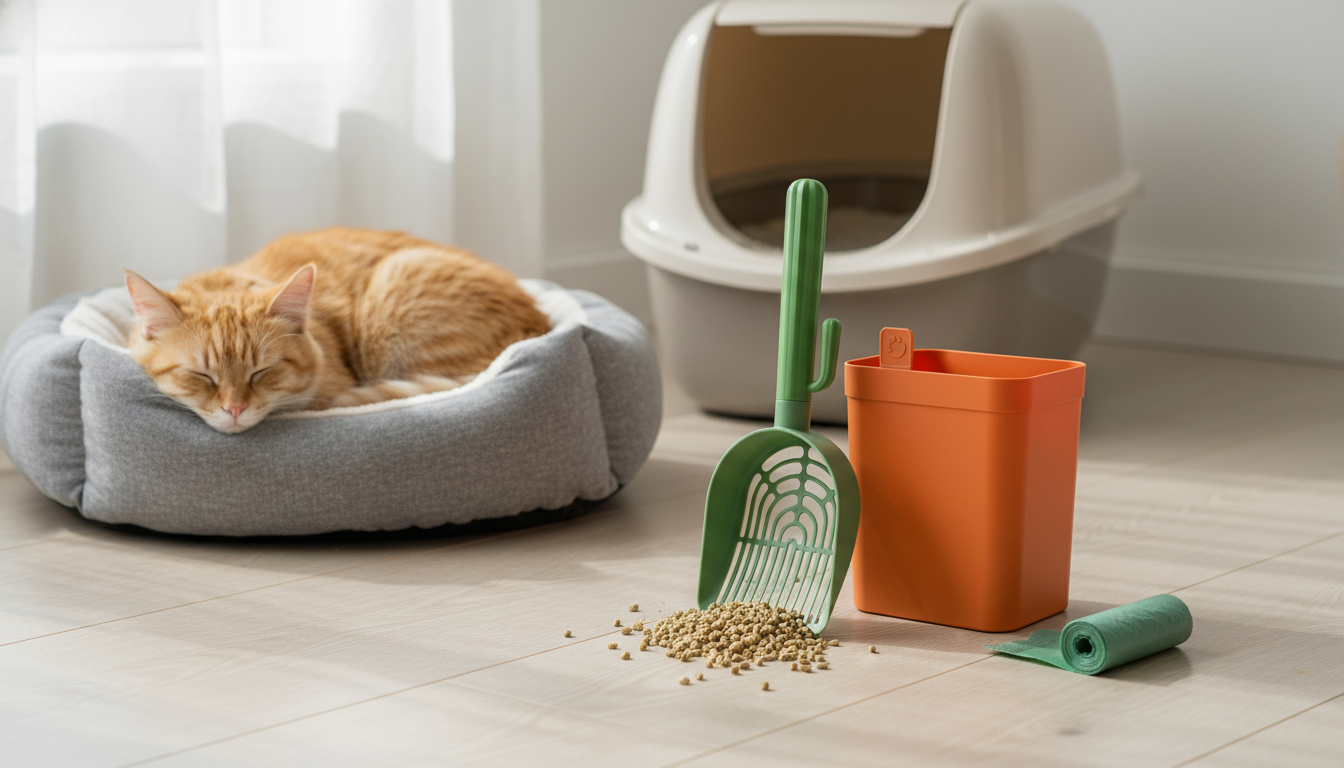
Cactus Cat Litter Scooper with Holder: A Cleaner, Cutely Organized Setup
A cactus-shaped cat litter scooper with a matching holder adds a bit of fun to an everyday chore, but the real win is practicality: faster scooping, less scatter, and a dedicated spot to store the tool between uses. When the scooper is “parked” upright in its holder, it’s less likely to drip onto the floor, touch the side of the litter box, or end up on a surface where it doesn’t belong.
Below is a straightforward guide to what matters most in a scooper-and-holder set, how to use it with less mess, and how to pick the right slot pattern for your litter type—especially if you’re managing multiple cats.
Quick overview
- Designed to keep a scooper upright and contained between uses, reducing mess around the litter box.
- The holder helps separate the tool from floors and countertops for a cleaner storage routine.
- Best results come from matching slot size and scoop shape to the litter type (clumping, crystal, pellets).
At-a-glance checklist
| Feature | Why it matters | What to look for |
|---|---|---|
| Holder design | Helps contain debris and drips | Wide, stable base; easy-to-rinse interior |
| Slot size / sifting pattern | Controls dust and prevents wasting litter | Openings that let clean litter fall through quickly |
| Handle comfort | Reduces wrist strain with daily use | Non-slip grip; enough length to reach corners |
| Material | Affects durability and odor retention | Smooth, non-porous plastic or coated metal |
| Cleaning ease | Improves hygiene and reduces odor | Simple shapes with minimal crevices |
What a scooper-with-holder set improves
- Cleaner storage: the holder creates a dedicated “parking spot” instead of resting the scooper on the floor or box rim.
- Faster daily routine: a ready-to-grab tool encourages consistent scooping, which can help control odor.
- Less scatter: keeping the scooper contained can reduce stray granules that fall off while walking it to a trash bin.
- Better hygiene habits: separating the tool from household surfaces helps reduce accidental contamination.
Cleanliness around the litter area can also influence whether cats reliably use the box. For broader litter box management tips, reputable guidance is available from the Cornell Feline Health Center and the ASPCA.
Design details that make a difference
- Scoop depth: deeper scoops carry more waste per pass; shallow scoops can be easier for tight boxes or small litter pans.
- Edge shape: a tapered front edge can slide under clumps without breaking them apart (less crumbling, less odor spread).
- Opening pattern: larger slots work well for bigger grains and pellets; smaller slots can reduce litter loss with finer clumping litter.
- Handle angle: a slight angle can improve reach and reduce knuckle contact with the litter box wall—helpful with high-sided boxes.
- Holder stability: a wider base lowers tip-over risk, especially on textured litter mats that can wobble lightweight holders.
For cactus-style sets specifically, look beyond the shape: a smooth, non-porous finish (on both scooper and holder) usually rinses cleaner and is less likely to hang onto odors over time.
How to use it with less mess
- Scoop once or twice daily for most cats; increase frequency for multi-cat homes or if odor is a top concern.
- Lift clumps slowly and pause briefly over the box so clean litter can sift back through before you move away.
- Target corners and edges where clumps often stick; use the scoop edge to gently scrape without gouging plastic.
- Dispose smartly: deposit waste into a lined, lidded bin or bag to limit odor; seal promptly.
- Return and tap: place the scooper back into the holder and tap lightly so stuck granules drop into the holder area (then rinse if needed).
If anyone in the household is pregnant or immunocompromised, take extra care when handling cat waste. The CDC’s toxoplasmosis prevention guidance is a helpful reference for safe habits.
Cleaning and hygiene routine
- Rinse regularly with warm water; frequency depends on litter type and personal preference (many households rinse weekly or as needed).
- Wash with mild soap and dry fully to reduce odor buildup and residue.
- If disinfecting, follow the product label directions and rinse thoroughly before reuse.
- Placement matters: keep the holder in a ventilated area near the box but away from food prep zones.
- Hand hygiene: wash hands after handling litter and waste; disposable gloves can add protection during deeper cleans.
How to choose the right cactus-style set for your setup
Common problems and quick fixes
Comparing scoopers by litter type and household needs
Which scooper style fits best?
| Scenario | Recommended scoop style | Holder helpful? | Notes |
|---|---|---|---|
| Fine clumping litter | Smaller openings, sturdy edge | Yes | Reduces wasted clean litter; rinse holder often to avoid dust buildup |
| Large-grain / pellet litter | Wider openings, deeper basket | Yes | Faster sifting; ensure holder is wide enough to catch stray pieces |
| Crystal litter | Medium openings, gentle lift | Optional | Avoid crushing crystals; clean scoop to reduce residue |
| Multi-cat home | Durable scoop, comfortable handle | Yes | Consider one set per box for convenience and cleanliness |
| Small apartment / odor-sensitive | Easy-to-clean materials | Yes | Lidded waste bin plus predictable cleaning schedule helps most |
FAQ
How often should a litter box be scooped?
Most cats do best with scooping at least once daily, and many homes prefer twice daily for better odor control. Multi-cat households often need more frequent scooping to keep boxes comfortable and inviting.
How do you clean a cat litter scooper and holder safely?
Rinse with warm water, wash with mild soap, and dry fully to reduce residue and odor. If you choose to disinfect, follow the label directions and rinse thoroughly; always wash hands after handling litter.
Does a holder actually help with odor and mess?
A holder mainly helps with mess by containing drips and keeping stray litter from landing on the floor. Odor control comes more from consistent scooping, prompt disposal, and routine washing of both the scooper and the holder.











Leave a comment