

Corgi Ice Silk Seatbelt Cover for Kids & Women
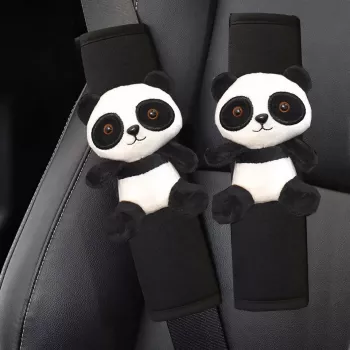
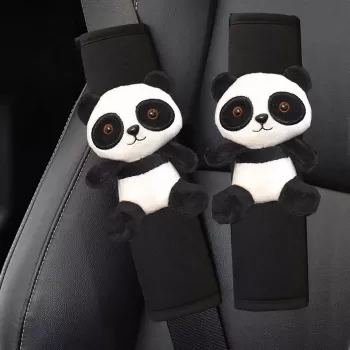
Adorable Corgi Hip Car Seatbelt Covers – Ice Silk Harness Cushion for Kids & Women
Seatbelts save lives, but the shoulder strap can rub the neck, pinch the collarbone, or feel scratchy on longer rides—especially for kids and smaller-framed passengers. A soft seatbelt cover adds cushioning where it counts while keeping the belt positioned correctly. This corgi-themed ice silk harness cushion is designed to make everyday commutes and road trips more comfortable, with a cute look that kids and women tend to love.
Why a seatbelt cover can make rides more comfortable
- Reduces friction on the neck and collarbone during bumps, turns, and stop-and-go traffic.
- Adds a soft buffer for sensitive skin and lightweight summer clothing.
- Helps prevent the belt edge from digging in on longer trips without changing how the belt works.
- Encourages consistent seatbelt use for kids who complain about strap discomfort.
Comfort matters most when it supports good habits. A cushion can make it easier for passengers to keep the shoulder belt where it belongs—across the chest and shoulder—without constantly fidgeting or trying to “escape” the strap.
Corgi design meets everyday practicality
- Playful corgi styling adds personality to the car interior while still looking tidy.
- Works as a simple comfort accessory for school drop-offs, carpools, and travel days.
- Nice as a small gift add-on for pet lovers, new drivers, and family road-trip kits.
For many families, a cute design isn’t just decoration—it can reduce daily seatbelt complaints. When kids actually like what they’re buckling up with, the routine tends to go more smoothly.
Ice silk feel: what it is and why it matters
- Ice silk is often used to describe a cool-to-the-touch, smooth fabric feel that stays comfortable in warmer weather.
- Smooth surface helps reduce irritation from repetitive strap movement.
- Breathable feel can be preferable to thicker plush covers during summer driving.
- Choose a cover that feels soft against bare skin while still being durable enough for daily use.
If the shoulder belt often touches bare skin (tank tops, swimsuits under coverups, sleeveless tees), a smoother fabric can make a noticeable difference on longer drives—especially when the belt shifts slightly during turns and lane changes.
Fit, placement, and quick setup
- Place the cushion where the belt contacts the shoulder and upper chest—avoid positioning it over the buckle or retractor area.
- For kids, confirm the shoulder belt still crosses the middle of the chest and shoulder (not the neck or face).
- Check that the cover doesn’t bunch up or slide into a spot that changes belt routing.
- After installing, sit normally and tug the belt to confirm it retracts and locks as expected.
A good rule of thumb: set it, buckle up, then do a quick “normal posture check.” If the cushion encourages slouching or shifts the belt toward the neck, adjust the position and re-check before driving.
Safety notes to keep the seatbelt working properly
- A cover should cushion, not create slack—seatbelts must lie snug across the body.
- Never route the shoulder belt behind the back or under the arm to “fix” discomfort; use proper positioning or a booster seat when appropriate.
- If the cover causes the belt to sit incorrectly on a child, reassess fit with a booster and follow child passenger safety guidance.
- Replace the cover if it becomes damaged, overly slippery, or interferes with belt retraction.
For general seatbelt guidance, refer to NHTSA’s seat belt safety information. For child passenger fit and booster-seat basics, the CDC’s child passenger safety resources are a helpful reference.
Care and cleaning for daily use
At-a-glance checklist for choosing a comfortable seatbelt cover
Quick comparison: what to look for in a seatbelt cushion
| Factor | Best choice for kids | Best choice for women | What to avoid |
|---|---|---|---|
| Placement | Centered on shoulder/chest line; confirm booster fit if needed | Shoulder and collarbone comfort zone | Cover sitting on neck or causing the belt to slip off shoulder |
| Fabric feel | Smooth, non-itchy, not too hot | Soft and breathable for daily commutes | Overly slippery fabric that shifts easily |
| Thickness | Enough padding for comfort without bulky slack | Moderate cushioning for longer drives | Very thick padding that changes belt fit |
| Ease of cleaning | Quick spot-clean or wash and air dry | Low-maintenance for frequent use | Materials that hold odors or take long to dry |
When this corgi seatbelt cover is a great match
Comfort picks from the store
- Adorable Corgi Hip Car Seatbelt Covers – Ice Silk Harness Cushion for Kids & Women (a simple, cute way to cushion the shoulder strap for everyday rides).
- Your Vacation Capsule Wardrobe Checklist – Travel Light & Stylish, Vacation Capsule Wardrobe PDF, Mix-and-Match Packing List, Digital Download (a handy add-on for planning road trips and packing lighter).
FAQ
Can a seatbelt cover be used for kids?
Yes, as long as the shoulder belt still fits correctly across the chest and shoulder. If belt fit is poor, use an appropriate booster seat and follow child passenger safety guidance. The cover should not create slack or change belt routing.
Will a seatbelt cushion affect seatbelt safety?
It shouldn’t if it doesn’t interfere with retraction/locking and doesn’t introduce slack. Keep the belt snug, keep the cover away from the buckle and retractor, and replace the cover if it slips or blocks belt function.
How do you keep a seatbelt cover from sliding toward the neck?
Position it where the belt naturally rests on the shoulder, ensure the closure is secure, and re-check after sitting normally. If it consistently shifts, adjust placement or consider a design with better grip/closure.











Leave a comment