

High-Speed Metal Baitcasting Reel Guide: Control & Power
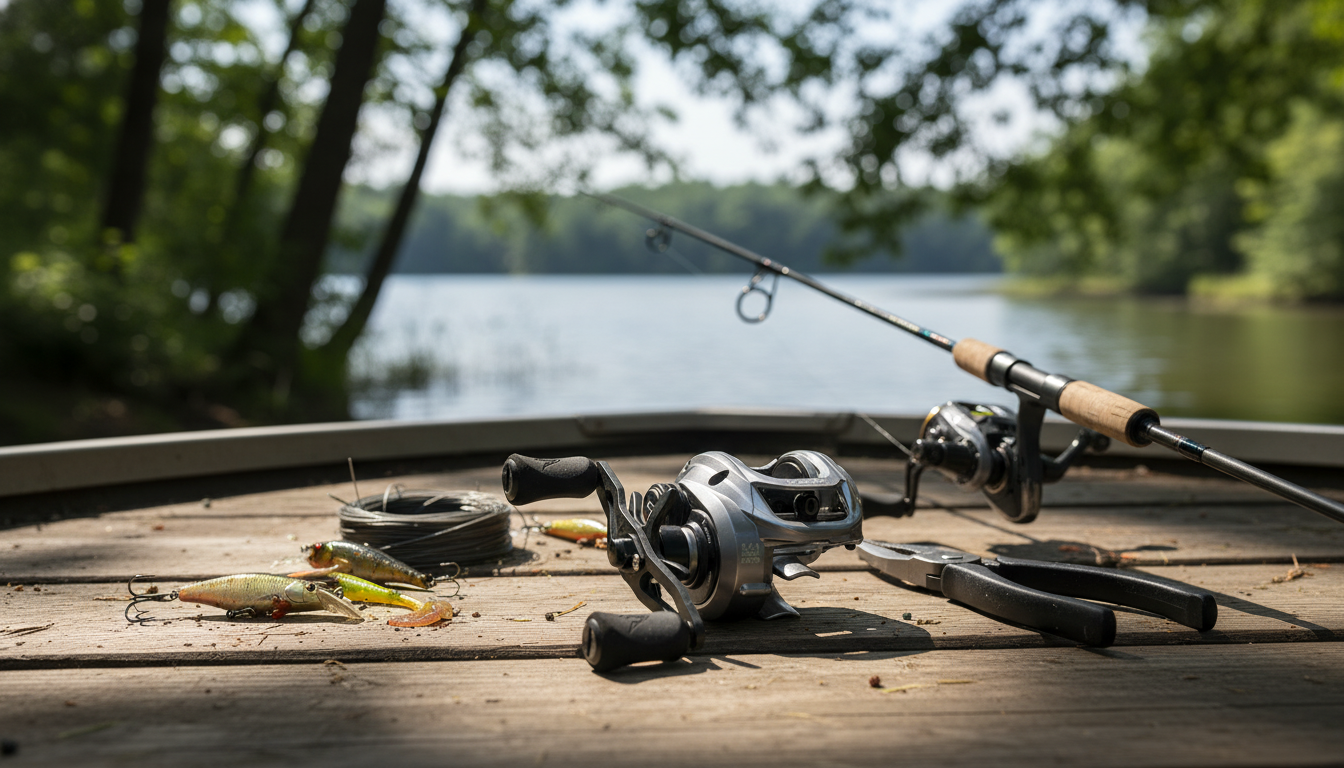
High Speed Metal Baitcasting Reel: Fast Retrieves, Solid Control, Tough Build
A high-speed metal baitcasting reel is built for quick line pickup, crisp hooksets, and reliable performance when targeting aggressive fish or working fast-moving lures. The right setup makes that speed feel controlled—not chaotic—while the metal frame helps keep everything tight and aligned when a fish surges or you lean into cover.
Below are the on-the-water advantages of high-speed gearing, the control features that keep backlashes in check, and a simple first-trip setup that minimizes trial and error. For local rules, seasons, and freshwater resources, check your state guidance such as the Florida Fish and Wildlife Conservation Commission (FWC) freshwater fishing page.
What “High Speed” Changes on the Water
“High speed” typically means a faster gear ratio that picks up more line per handle turn. That extra line pickup is most noticeable when a fish swims toward you, when wind creates slack, or when a lure needs immediate re-engagement after a pause.
- Faster line pickup helps keep tension on fish that run toward the boat or turn suddenly.
- High-speed gearing supports techniques that demand quick presentation changes (burning baits, rapid pickups between casts, skipping and correcting slack).
- A faster retrieve can expose weaknesses in drag smoothness, handle rigidity, and frame stiffness—metal construction helps keep alignment under load.
- Best results come from matching speed to technique rather than using maximum retrieve for everything.
Technique Match: When Faster Retrieves Help Most
| Technique | Why speed helps | Set-up tip |
|---|---|---|
| Buzzbait / fast topwater | Keeps bait on plane and covers water quickly | Use a slightly tighter spool tension to reduce sudden overrun on fast starts |
| Lipless crank over grass | Quickly clears grass and re-engages the bait | Pair with a rod that has a bit of forgiveness to keep treble hooks pinned |
| Frogs / heavy cover | Rapid pickup drives strong hooksets and control | Braid plus a firm drag setting; check knots often |
| Jigs / Texas rigs | Improves slack management for bite detection | Focus on smooth thumb control; avoid reeling too fast during the fall |
Why a Metal Frame Matters
When retrieves get fast and hooksets get forceful, small amounts of flex can show up as gear noise, roughness, or inconsistent winding under pressure. A metal frame adds rigidity where it counts.
- Metal frames resist flex when pressure rises, helping the gears stay aligned for consistent winding.
- Better rigidity can improve feel, reduce vibration, and maintain smoothness over time.
- Metal construction often holds up well for frequent use and heavier lines, especially when fishing around cover.
- Rinse and dry after use to help protect finishes and moving parts, particularly in humid or brackish environments.
Weather can also influence how and where fish bite, which affects how quickly you may need to pick up slack and re-cast. For basics on conditions, including barometric pressure, see NOAA’s official site at NOAA.
Control Features That Prevent Backlashes
High speed doesn’t automatically mean “hard to cast,” but it can feel less forgiving when the spool starts quickly and your lure accelerates fast. Dialing in control features first usually beats chasing maximum distance right away.
- Braking system: adjust gradually; start higher until casts are consistent, then back off for distance.
- Spool tension: tighten until side-to-side spool play is minimal; fine-tune for lure weight changes.
- Spool design and bearings: smoother spool startup can improve casting with lighter lures but may require more braking skill.
- Thumb technique: feather the spool at launch and stop it just before splashdown.
A helpful rhythm is “brakes for control, tension for the lure, thumb for the finish.” Once you can land a bait softly without fluffing line at impact, distance becomes easier to add in small steps.
Drag, Handle, and Power Under Load
Fast retrieves put more emphasis on smooth drag and a solid handle, because everything happens quickly: pressure changes faster, surges are sharper, and repeated casting can wear on hands and wrists.
- Drag consistency matters more than maximum rating; a smooth drag protects lighter leaders and treble hooks.
- A sturdy handle and comfortable knobs reduce fatigue during high-speed retrieves and repeated casting.
- Higher speed can trade some winching power; for deep cranks or heavy swimbaits, moderate speed may feel easier.
- Check for solid engagement and minimal play in the handle and star drag to keep control precise.
Quick Setup for First Trip (Minimal Trial and Error)
Care and Maintenance for Long-Lasting Smoothness
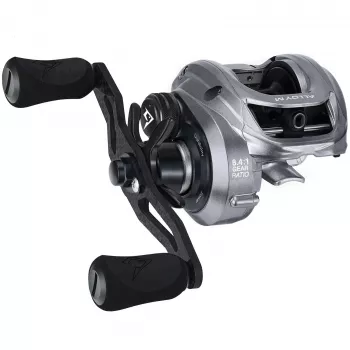
Product Snapshot: High Speed Metal Baitcasting Reel
For anglers who want quick slack pickup and a durable, rigid build, the High Speed Metal Baitcasting Reel is a practical option for repeated casting and hard pulls around cover. It pairs well with medium-heavy to heavy baitcasting setups for frogs, lipless cranks, and bottom-contact techniques where line control matters.
Current Listing Details
| Item | Price | Availability |
|---|---|---|
| High Speed Metal Baitcasting Reel | 65.32 USD | In stock |
More In-Stock Picks on Hovira
- Women’s Abstract Print Loose Hoodie
- Modern Glass Storage Jar with Golden Butterfly – Elegant Home Decor
- Ultrasonic Skin Scrubber Deep Face Cleaning Machine
FAQ
Is a high-speed baitcasting reel harder to control?
It can feel less forgiving because the spool and retrieve respond quickly. Start with higher braking, fine-tune spool tension for the lure weight, and rely on steady thumb control until your casts are consistent.
What line works best with a metal baitcasting reel for heavy cover?
Braid is common for frogs and thick vegetation, while fluorocarbon is popular for jigs and bottom contact. Match line size to lure weight and cover density, and spool tightly to help prevent dig-in.
When should a slower gear ratio be chosen instead?
Choose a slower or moderate gear ratio for high-resistance lures like deep-diving crankbaits or big swimbaits where steady torque matters more than rapid pickup. It can reduce fatigue and make it easier to keep a consistent retrieve cadence.












Leave a comment