Inflatable Oxford Cloth Tent for Quick Basecamp Setup
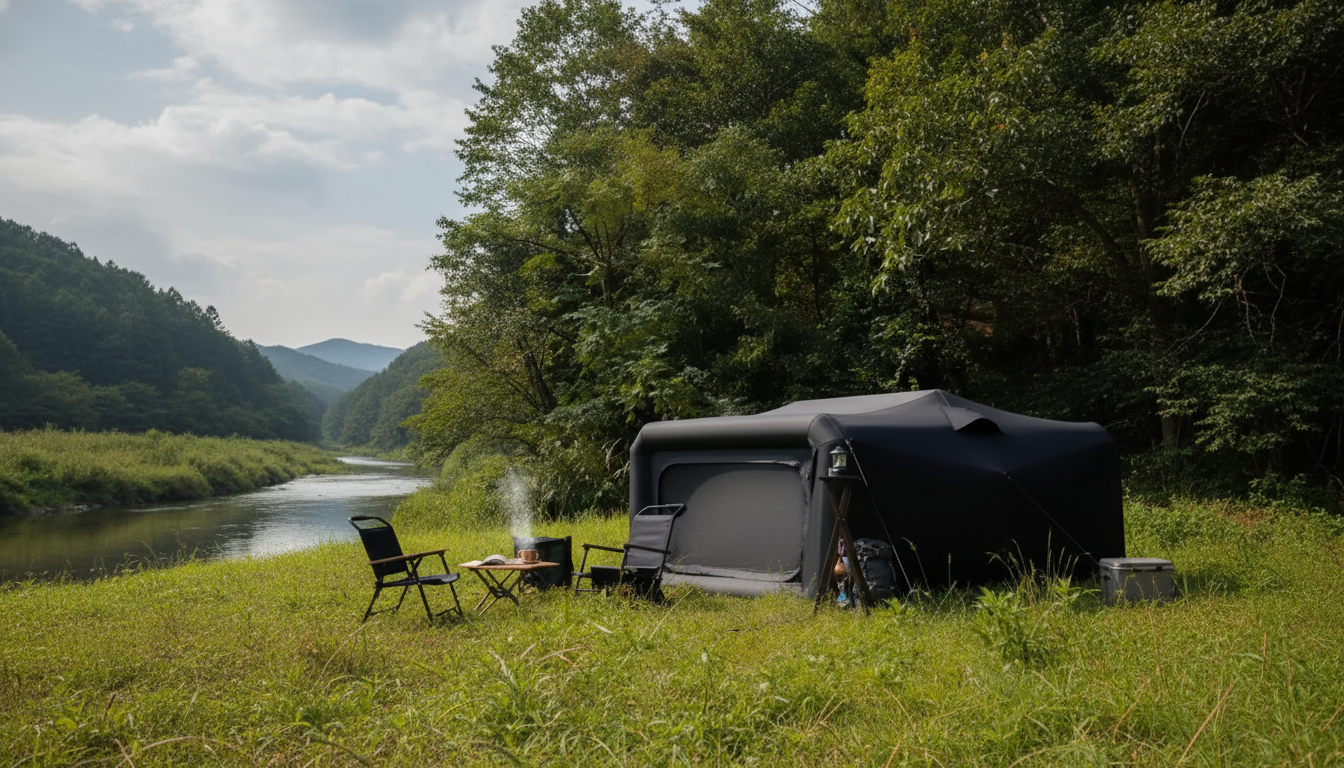
Inflatable Oxford Cloth Camping Tent: Fast Setup Shelter for Comfortable Basecamp Nights
An inflatable tent built with Oxford cloth combines quick, pole-free pitching with a fabric known for abrasion resistance and everyday durability. For weekend getaways, road trips, and longer “set-and-stay” basecamp weekends, this style can deliver a stable, cabin-like feel without the usual pole wrestling. Below is a practical look at how Oxford cloth holds up outdoors, what inflatable frames do well in wind and rain, and which comfort and reliability details matter most when shopping.
What an Inflatable Oxford Cloth Tent Is (and Who It Suits)
An inflatable Oxford cloth camping tent uses pressurized air beams (air tubes) as its structure instead of traditional metal or fiberglass poles. You stake key points, inflate the beams, then tension guylines—often reaching a usable pitch much faster than a comparable pole tent.
- Inflatable beam structure replaces poles: air beams form the frame once pressurized, reducing separate parts and simplifying setup steps.
- Oxford cloth outer emphasizes toughness: the woven fabric is built to handle packed campsites, frequent trips, and mixed terrain.
- Best fit: car campers, families, and basecamp-style campers who want faster pitching and a stable interior you can move around in.
- Less ideal: ultralight backpacking, where minimum weight and the smallest packed size matter more than room and ruggedness.
If your camping rhythm involves pulling into a site late, setting up quickly, and spending more time cooking, hanging out, and sleeping well, an inflatable Oxford cloth shelter is often a strong match.
Material Spotlight: Why Oxford Cloth Is Common in Heavy-Duty Outdoor Gear
Oxford cloth is a woven fabric (commonly polyester or nylon yarn) known for a balanced, textured weave that resists scuffs and snags. That weave pattern tends to be forgiving when tents rub against coolers, camp chairs, or a gritty footprint during repeated setups.
- Water resistance usually comes from coatings: look for PU coatings and reliable seam construction (including seam taping where applicable) to reduce leakage risk at stitch lines.
- Durability shines in high-contact zones: thresholds, corners, and panels that brush against gear or ground protection benefit from Oxford cloth’s tougher feel.
- Comfort can feel “more tent-like”: compared with very thin rainfly fabrics, Oxford cloth often drapes with a sturdier hand and less crinkle, which can make the shelter feel more substantial during longer stays.
Even with tough fabric, longevity still depends on basics: keep it clean, avoid packing it wet, and don’t grind grit into coatings when folding.
Inflatable Frame Performance: Stability, Wind Handling, and Setup Speed
Inflatable frames are popular because they reduce the complexity of setup and remove the most failure-prone frustration point for many campers—poles that splinter, bend, or refuse to seat. The usual flow is straightforward: stake, inflate, guy out, then tune vents and rain protection.
For weather awareness and safe decision-making, consult the National Weather Service safety resources before heading out—especially if your trip involves exposed campsites or changing conditions.
Weather Readiness: Rain, Condensation, and Ground Protection
For general campsite safety best practices, FEMA’s guidance is a helpful refresher: https://www.ready.gov/camping. When choosing sites and minimizing impact, the Leave No Trace Seven Principles are a solid standard.
Oxford Cloth vs Nylon vs PVC: How to Compare Fabrics for Camping Shelters
Quick fabric comparison for tent applications
| Material | Strengths | Tradeoffs | Best for |
|---|---|---|---|
| Oxford cloth (woven) | Abrasion resistance; sturdy feel; good for frequent setup/teardown | Often heavier and bulkier than lightweight nylon | Basecamp, car camping, family trips, longer stays |
| Nylon (often ripstop) | Lightweight; packs smaller; strong for its weight | Can feel thinner; may abrade faster in high-contact areas | Backpacking-style priorities, lighter carry loads |
| PVC (coated material) | Highly water resistant barrier; easy to wipe clean | Heavier; less breathable; can feel stiff in cold | Floors/tarps, utility shelters, wet-ground use cases |
Buying Checklist: Details That Improve Comfort and Reliability
Product Snapshot: Inflatable Oxford Cloth Camping Tent
If you’re building a comfortable basecamp setup, the Inflatable Oxford Cloth Camping Tent is designed around quick pitching with inflatable beams and a durable Oxford cloth build suited for repeated trips. It’s a strong match for campers who want a stable shelter that feels more “set-and-stay” than “sleep-and-leave.”
Optional camp comfort add-ons (in stock)
- Elegant Cork Stopper Glass Storage Jar – Transparent Food & Tea Container for keeping dry goods organized at camp.
- Beautiful Stainless Steel Shell Spoon – Elegant Kitchen Ladle Set for soups, chili, or one-pot meals.
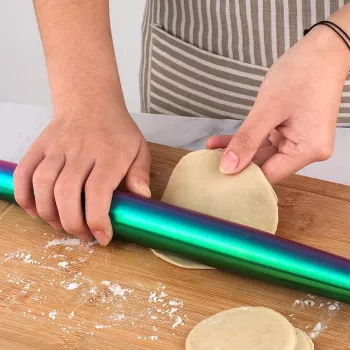
- Stainless Steel Non-Stick Rolling Pin Set for Baking & Kitchen Use if your campsite menu includes biscuits, flatbreads, or pizza dough.
FAQ
What is Oxford cloth for inflatables?
Oxford cloth is a durable woven fabric (often polyester or nylon) commonly used for rugged outer shells and covers. In inflatable tents, it’s typically used for the tent body or fly fabric, while the inflatable beams are separate air chambers valued for quick setup and stable structure.
What is better, Oxford cloth or nylon?
Oxford cloth is often the better pick for frequent car camping and longer basecamp use because it has a tougher, more structured feel. Nylon is usually better when low weight and smaller packed size are the priorities, but coatings and construction quality can matter as much as the base fabric.
Which is better, Oxford cloth or PVC?
They solve different problems: Oxford cloth (with proper coatings) works well as a more breathable, comfortable main tent fabric, while PVC is a heavier, less breathable barrier material commonly used for floors, tarps, and wet-ground protection. For a sleeping shelter, Oxford cloth is typically the more comfortable choice, with PVC-style materials reserved for ground-facing layers.











Leave a comment