Lee Women’s Cotton Jeans: Blue Denim Fit & Care Guide
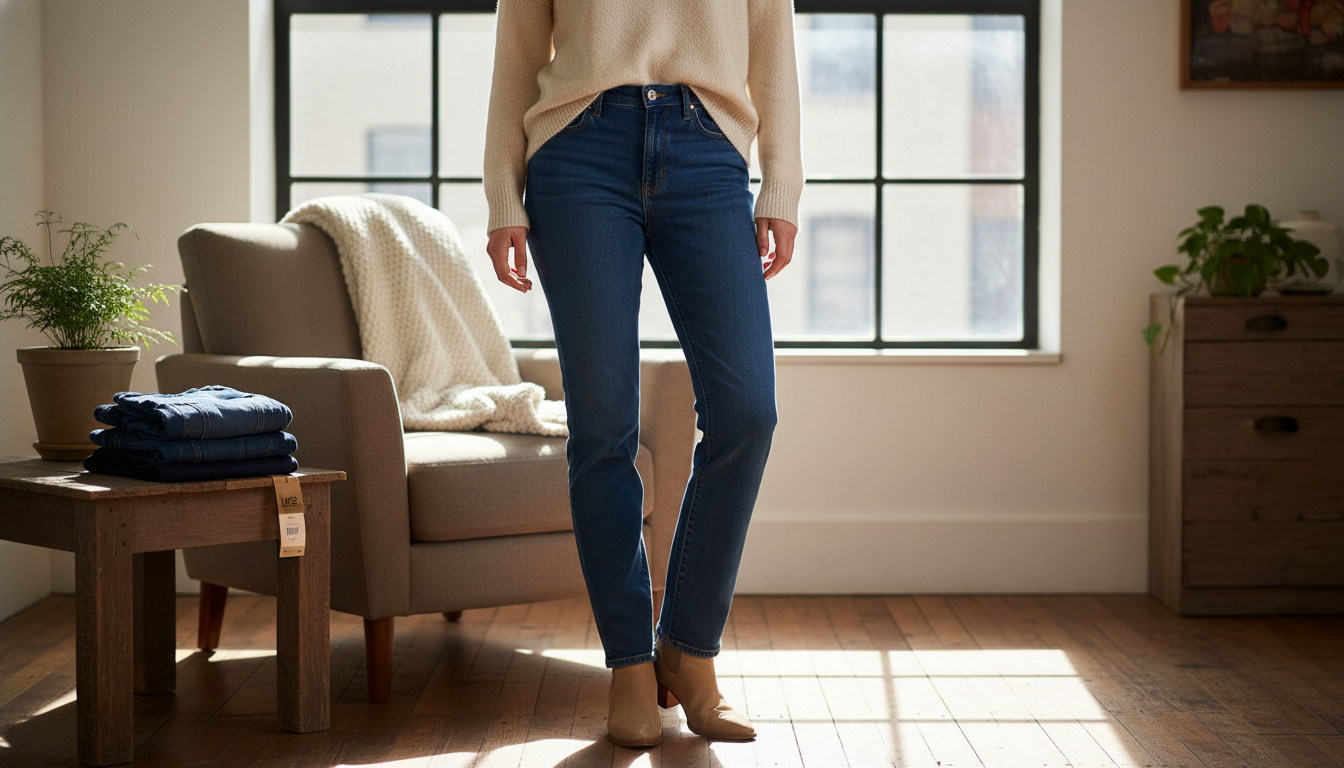
Lee Women’s Blue Cotton Jeans: An Everyday Denim Staple
Lee women’s blue cotton jeans are a practical, repeat-wear essential for closets that value comfort and versatility. Cotton-forward denim tends to feel breathable and familiar—easy to dress down for errands, then sharpen up with a button-down or blazer for a smart-casual finish. Below is a clear guide to fabric feel, fit considerations, care habits that help denim last longer, and what to look for when choosing a pair online.
Quick Snapshot
- Cotton-forward denim feel with an everyday, broken-in comfort
- Classic blue wash that pairs easily with tees, button-downs, and sweaters
- Best for regular wear where softness and breathability matter
- Price reference: $46.74 (may vary by size and retailer)
Fabric and Feel: What “Cotton Jeans” Means in Real Life
Cotton denim is popular for a reason: it typically feels more breathable than heavily synthetic blends, which can make a noticeable difference on long days or in warmer weather. A higher cotton content also tends to have a more natural hand-feel (less slick), and it often softens gradually with wear and washing.
That said, “cotton jeans” doesn’t always mean 100% cotton. Many women’s jeans include a small amount of elastane (or similar stretch fiber) for easier movement and improved shape recovery. If you like denim that bends with you—especially when sitting, driving, or climbing stairs—a little stretch can help. If you prefer a more structured, vintage-like feel, a mostly-cotton composition can deliver that sturdier presence (especially at first).
Denim weight and weave also matter. Heavier denim usually feels sturdier and more supportive; lighter denim can drape more easily and feel less rigid right out of the package. When shopping online, check any fabric details provided and use customer reviews to gauge whether the fabric runs “stiff,” “soft,” or “in-between.”
| Blend emphasis | How it tends to feel | Typical trade-off |
|---|---|---|
| Mostly cotton | Breathable, natural hand-feel, breaks in over time | May feel stiffer at first; can relax with wear |
| Cotton + a little stretch | More flexible, easier to sit/bend | May lose structure faster if over-washed or over-dried |
| Higher synthetic content | Often smoother, sometimes lighter | Can feel less breathable; may hold odors more |
Fit and Silhouette: Getting the Look You Want
Fit is where “good jeans” become your go-to jeans. Start with rise: a mid-rise is a dependable everyday option that works with untucked tees or casual sweaters. A higher rise can feel more secure at the waist and tends to pair well with tucked tops, bodysuits, or cropped layers because it creates a longer leg line.
Next, consider leg shape. Straight-leg reads classic and balanced with most shoes. Slim or skinny silhouettes are easy with boots (especially ankle boots) and can look polished with a longer top layer. Wider legs can feel breezier and modern, and they often look best when balanced with a more fitted top or a defined waist.
When trying on at home, focus on comfort at the waist and hip crease. A good waistband should feel secure without digging, and you should be able to sit comfortably without pinching at the front hip area. With cotton-heavy denim, a slight relaxation after a few hours is normal, so a snug (not tight) initial fit can be a smart starting point—especially if you’re between sizes.
| Area | Good sign | Red flag |
|---|---|---|
| Waistband | Stays put when bending/sitting | Gapping in back or digging in front |
| Seat | Smooth with minimal pulling | Wrinkles radiating from crotch/hips (too tight) |
| Thigh | Comfortable pinch-free movement | Horizontal stress lines or restricted steps |
| Hem length | Hits your preferred shoe line | Constant bunching or dragging underfoot |
How to Choose the Right Pair Online
| Measurement | How to measure | Why it matters |
|---|---|---|
| Waist (flat) | Button/zip, lay flat, measure across; double it | Predicts waistband comfort and gapping |
| Front rise | Crotch seam to top of waistband | Affects tummy comfort and coverage when sitting |
| Inseam | Crotch seam to hem | Controls length with your typical shoes |
| Leg opening | Measure across hem; double it | Indicates taper and how it fits over boots |
Comfort and Daily Wear: What to Expect Over Time
Care and Longevity
For deeper laundering guidance and care-label context, reference Cotton Incorporated’s fabric care tips, the FTC’s Care Labeling Rule, and practical denim pointers from Good Housekeeping.
| Goal | Best practice | Avoid |
|---|---|---|
| Keep color longer | Inside-out, cold wash | Hot water and frequent washing |
| Maintain shape | Low heat or air-dry | Over-drying on high heat |
| Reduce wear | Gentle cycle, mild detergent | Harsh stain removers on large areas |
Outfit Ideas for Blue Cotton Jeans
FAQ
Do cotton jeans shrink after washing?
They can shrink slightly, especially with warm/hot water and high-heat drying. Cold washing and air-drying (or low heat) helps minimize shrinkage, and some tightness may relax again after a few hours of wear.
How should jeans fit at first if they’re mostly cotton?
Mostly-cotton denim often relaxes a bit, so a comfortably snug fit is usually ideal as long as it isn’t restrictive. The waistband should stay put without gapping or digging, and you should be able to sit and take a normal stair-step without pinching.
What inseam should be chosen for sneakers versus boots?
With sneakers, many people prefer little-to-no stacking for a cleaner hem line, so a slightly shorter inseam often works well. Boots can handle (or even need) a bit more length depending on the shaft height and whether you want the hem to stack or sit just above the boot.











Leave a comment